


An Experience-Hungry Generation
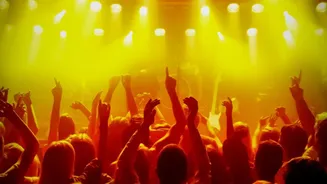
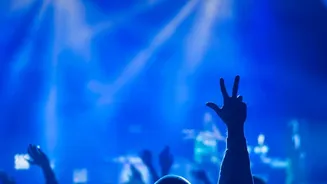
After years of digital saturation and pandemic-induced isolation, young Indians are craving real-world, communal experiences. Live music offers an antidote to the endless scroll, providing a space for shared energy and connection. This desire for tangible
moments is a significant driver behind the boom. According to a recent report, one in three Gen Z travellers in India now prefers a music festival trip over a regular holiday. This isn't just about the music anymore; it's about being part of a collective, adrenaline-fuelled event. This trend is so pronounced that music-led trips have seen a four-to-five-fold year-on-year growth, with many young people travelling solo to festivals and leaving with new friends.
The Social Media Showcase
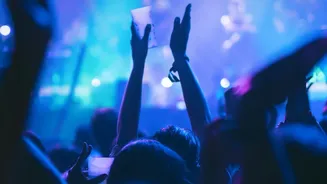
Concerts have become prime content for social media, transforming them from personal memories into public declarations of cultural fluency. The fear of missing out, or FOMO, is a powerful motivator. When feeds are flooded with mesmerising visuals from events like Lollapalooza or a Diljit Dosanjh tour, it creates a powerful aspirational pull. Event organisers have become adept at creating visually striking moments, like shimmering wristbands, that are designed to be shared. This digital ecosystem turns every attendee into a promoter, amplifying the event's reach and making it a must-attend for their peers. Social media platforms are where music discovery often begins and where the desire to participate in a shared cultural moment is solidified.
Economic Shifts and Willingness to Spend
India's growing economy and a rise in disposable income among its youth have played a crucial role. There is a growing cultural shift, particularly among urban youth, towards prioritising spending on experiences rather than material possessions. The numbers reflect this trend, with India's live events market seeing significant growth, projected to expand at a compound annual growth rate of over 17% in the coming years. Many young fans are willing to allocate a substantial portion of their income to music-led travel, with some reports citing an average spend of over ₹50,000 per trip. This economic empowerment allows them to not just attend local gigs but also travel to other cities, turning concerts into full-fledged tourism events.
From Streaming Discovery to Stage-Side Fandom
The proliferation of music streaming services has been a gateway to discovery. Platforms like Spotify and Apple Music have exposed young Indians to a vast universe of global and domestic artists, breaking down geographical and genre barriers. This easy access fuels a desire to see these newfound favourites perform live. An algorithm can introduce you to a band, but it can't replicate the feeling of singing along with thousands of other fans. This has created a powerful pipeline, converting passive listeners into active, ticket-buying concertgoers. It’s no longer just about the headliners; fans are eager to see a diverse range of artists they’ve discovered online.
The Festival as a Destination
Modern music festivals are curated cultural experiences that offer more than just a lineup of bands. Events like Ziro Festival in Arunachal Pradesh or the Cherry Blossom Festival in Meghalaya have become travel destinations in their own right. These festivals are increasingly seen as the primary reason for a trip, not just a side attraction. They blend music with local culture, food, and art, providing a multi-sensory experience that appeals to a generation seeking immersive adventures. This trend of 'music tourism' has seen bookings for some destination festivals grow by as much as seven to eight times year-on-year, with many attendees planning their travel months in advance.
The Rise of Homegrown Heroes
While international acts like Coldplay and Ed Sheeran draw massive crowds, the live music boom is also being powered by a vibrant and growing independent music scene in India. Homegrown artists across various genres have cultivated dedicated fan bases through online platforms and are now major draws on the live circuit. This has diversified the landscape, offering a year-round calendar of gigs in cities big and small. The growth is not just limited to metropolitan hubs; Tier II and Tier III cities are also showing a massive appetite for live events, indicating a truly pan-Indian phenomenon. This groundswell of local talent ensures the live music scene is sustainable, authentic, and constantly evolving.