





A Challenging Monsoon Ahead
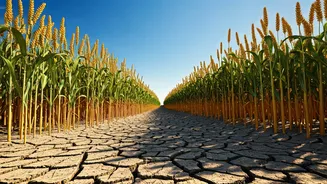
The India Meteorological Department (IMD) has forecast that the 2026 southwest monsoon is likely to be below normal, potentially delivering rainfall at 90% of the long-period average. [4, 15] This follows a weak start to the season, with rainfall in mid-June
already 43% below average, raising alarms for the crucial Kharif sowing season. [11, 20] The forecast has been influenced by developing El Niño conditions, a climate pattern historically associated with weaker monsoons in India. [4, 20] For a nation where the monsoon delivers about 70% of the annual rainfall and nearly half of the farmland lacks irrigation, a deficit poses significant risks to crop output, water reserves, and the wider economy. [11]
The Climate-Smart Solution
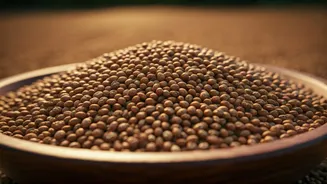
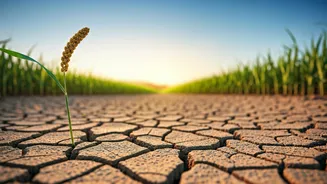
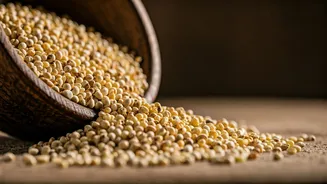
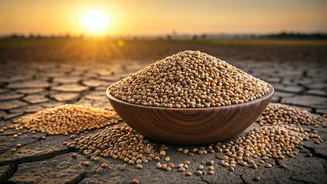
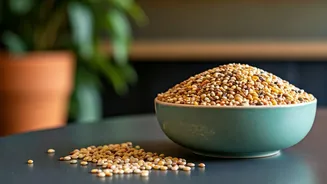
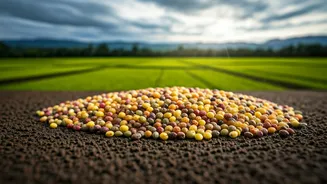
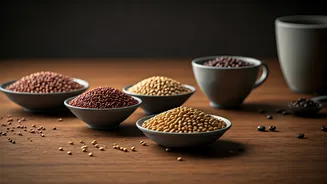
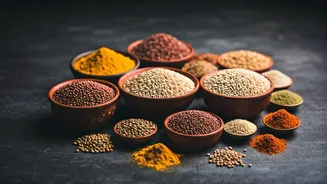
In the face of these challenges, millets are emerging as a hero crop. Often called “nutri-cereals,” this group of small-grained grasses, including jowar, bajra, and ragi, is exceptionally resilient. [12] They are C4 plants, meaning they have high photosynthetic efficiency and can thrive in harsh conditions like poor soil, low rainfall, and high temperatures. [14, 19] Millets require significantly less water than thirsty crops like rice and wheat—some estimates suggest up to 70% less. [7, 17] Their ability to survive droughts, coupled with a shorter growing cycle of just 45-100 days, makes them an intelligent and pragmatic choice for farmers navigating unpredictable weather. [2, 5, 23]
Big Benefits for the Farmer
For farmers, the advantages of cultivating millets extend beyond water conservation. These crops are hardy and less susceptible to pests and diseases, reducing the need for expensive chemical inputs like fertilisers and pesticides. [7, 12] This lowers the overall cost of cultivation and minimises financial risk, a crucial factor in rain-fed agricultural regions. [23] The short maturation period allows for quicker harvests and can enable multi-cropping cycles, enhancing farm productivity. [23] As one farmer noted, the resilience of millets provides a sense of security: "I expect to harvest every time I plant millet, even in the seasons when my village receives little rainfall." [5]
A Nutritional Powerhouse for All
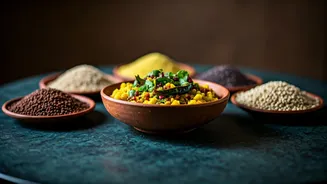
The benefits of millets are not just confined to the farm. They are a nutritional powerhouse, packed with protein, dietary fibre, vitamins, and essential minerals like iron, calcium, magnesium, and zinc. [8, 16] Being naturally gluten-free, they are an excellent option for individuals with celiac disease or gluten intolerance. [2, 9] Furthermore, millets have a low glycemic index, which helps in managing blood sugar levels, making them a highly recommended food for people with diabetes. [8, 9] Their high fibre content aids digestion and promotes gut health, while antioxidants found in millets help the body fight off oxidative stress. [8, 21]
From Policy to Plate
Recognising their immense potential, the Government of India has been actively promoting millets. The declaration of 2023 as the International Year of Millets by the UN, at India's behest, created significant global and domestic momentum. [24] Initiatives like the Production Linked Incentive (PLI) scheme for millet-based products, with an outlay of ₹800 crores, are encouraging value addition and manufacturing. [13, 18] States like Odisha have also launched dedicated millet missions to revive their cultivation. [18] Millets are being integrated into the Public Distribution System (PDS) and schemes like the Mid-Day Meal, ensuring they reach a wider population and create a steady demand that supports farmers. [24, 27]