




Why Training Your Kiwi Vine Is Crucial
Kiwifruit vines are incredibly vigorous climbers. Left to their own devices, they will quickly become a dense, tangled mess of leaves and stems. This chaos is more than just an eyesore; it prevents sunlight and air from reaching the inner branches, which
severely limits fruit production and can encourage disease. Proper training establishes a strong, open framework that supports the plant's weight, maximizes sun exposure for ripening fruit, and makes annual pruning and harvesting significantly easier. Think of it as creating a well-organized roadmap for your vine to follow, directing its energy into producing delicious fruit instead of a chaotic jungle of leaves.
Building a Sturdy Support System
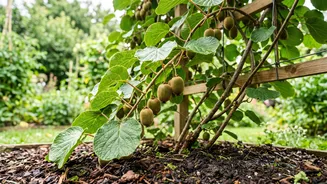
Before you even plant, you need to build a robust support structure. A mature kiwi vine laden with fruit is extremely heavy, so your trellis must be strong and durable enough to last for decades. The most recommended systems for home gardeners are the T-bar trellis and the pergola. A T-bar trellis consists of vertical posts (around 6 feet high) with a horizontal crossbar at the top, creating a 'T' shape. Several parallel wires are stretched along the length of the crossbars. This system provides excellent support and air circulation. For an espalier style against a wall or fence, you can run horizontal wires spaced about 24 inches apart. Use strong, treated wood or metal posts set firmly in the ground, as flimsy materials will quickly rot or collapse under the weight.
The First Year: Establishing the Trunk
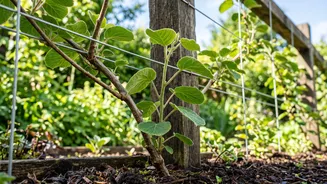
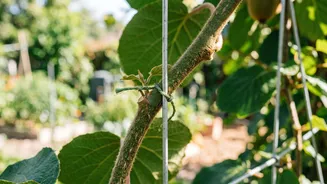
Your primary goal in the first year is to develop a single, strong vertical trunk. After planting your vine in a sunny, well-drained spot, select the most vigorous shoot to become the leader and remove any others. Loosely tie this main shoot to a tall stake or the trellis post to guide it straight up towards the main support wire. It's important to tie it rather than letting it twine around the post, as this creates a stronger, more stable trunk for the future. As the vine grows, continue to remove any side shoots that emerge from this main trunk, focusing all the plant's energy on vertical growth. If the leader seems weak, you can prune it back during the dormant winter season to encourage a more vigorous shoot to take its place the following year.
The Second Year: Forming the Cordons
Once your main trunk reaches the top wire of your trellis, the next phase begins. Pinch or cut the tip of the leader just below the wire. This will encourage the buds below the cut to sprout into lateral shoots. Select the two strongest shoots that emerge near the top and train them to grow in opposite directions along the main wire. These two horizontal branches are called 'cordons', and they will form the permanent framework of your vine. Loosely tie them to the wire as they grow. Remove any other shoots that compete with these two leaders to ensure the cordons become thick and strong.
Developing Fruiting Canes
Kiwifruit develops on the current season's growth, which emerges from one-year-old wood. The cordons you established are the permanent structure, and from them, fruiting canes will grow. In the third year and beyond, you will select new shoots that grow from the cordons, spacing them every 8 to 12 inches. These are your fruiting canes. Train them to grow perpendicularly from the cordon, draping them over the outer wires of your T-bar trellis or tying them to your espalier wires. This organized system ensures each part of the vine receives adequate sunlight and makes it easy to identify and prune old wood later.
Annual Pruning for a Healthy Harvest
Pruning is essential to keep the vine productive and under control. The main pruning is done in late winter when the plant is dormant. The goal is to remove the wood that has already fruited (it will not fruit again) and to select new canes that grew in the previous season to become the fruiting wood for the upcoming year. Remove any dead, damaged, or tangled canes to maintain good structure and airflow. A lighter summer prune may also be needed to remove excess leafy growth, known as water sprouts, and to thin out the canopy, allowing more sun to reach the developing fruit.