






The Challenge of the Modern Indian Classroom
Teaching in India is uniquely demanding. With classroom sizes often exceeding 30-50 students at vastly different learning levels, educators are under immense pressure. The National Education Policy (NEP) 2020 has rightfully shifted focus from rote memorisation
to competency-based learning, but this asks even more of teachers without necessarily giving them more time. Administrative duties and the sheer volume of preparation for diverse learners consume hours that could be spent on instruction. This is where Artificial Intelligence is beginning to make a significant impact, with surveys showing that over 70% of Indian teachers are already using AI tools, many specifically for lesson planning.
How AI Becomes a Teacher's Assistant
So, how does it work? AI lesson planners are not about replacing teachers, but rather augmenting their abilities. A teacher can input basic parameters: the subject, grade level, topic (like 'Photosynthesis' for Class 7), and duration of the class. Within minutes, the AI generates a structured, customisable outline. This draft can include learning objectives, key concepts, suggested activities, materials needed, and even assessment questions aligned with CBSE or ICSE standards. Instead of starting from a blank page, the teacher gets a solid foundation to refine, saving hours of manual work.
Flexibility Through Differentiated Instruction
One of the most powerful features of AI in education is its ability to facilitate differentiated instruction—tailoring lessons for the diverse needs within a single classroom. An AI tool can take a core lesson plan and quickly generate multiple versions. For example, it might suggest a hands-on experiment for kinesthetic learners, diagrams for visual learners, and a simplified text with vocabulary support for students who are struggling with reading. For advanced students, it can create extension activities that encourage deeper critical thinking. This allows a teacher to cater to individual learning profiles far more efficiently than was previously possible.
A Partner in Creativity, Not a Replacement
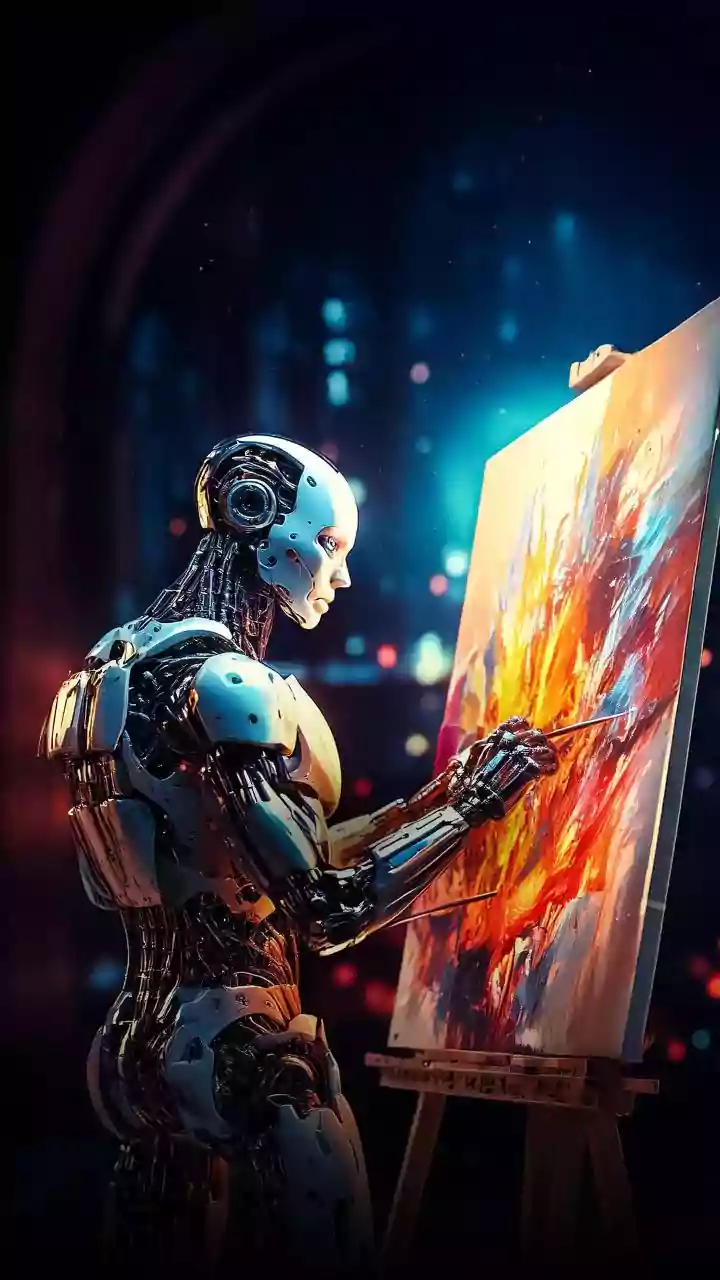
The goal of AI in the classroom is not to automate teaching but to free up educators to do what they do best: inspire and connect with students. By handling the repetitive, administrative aspects of planning, AI gives teachers back their time and mental energy. This recovered time can be reinvested in more creative and impactful activities, like designing innovative projects or providing one-on-one support to a student who needs it. The AI can be a brainstorming partner, suggesting novel activities or resources that a teacher might not have considered, sparking creativity rather than stifling it.
Navigating the New Tools with Caution
While the benefits are compelling, adopting AI requires a thoughtful approach. Educators must remember that AI models are only as good as the data they are trained on, and biases can exist. Information generated by AI should always be cross-checked for accuracy. Furthermore, an over-reliance on technology could diminish the crucial human element of education. The most effective use of these tools sees the teacher as the final expert, critically reviewing, editing, and adapting the AI-generated content to fit their students and their unique classroom context. Privacy and data security are also significant concerns that schools and educators must address when choosing platforms.