


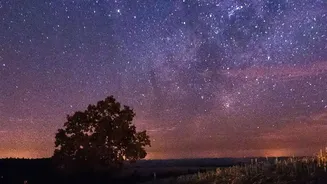
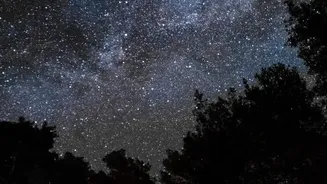
What Exactly Is Dark-Sky Tourism?
At its heart, dark-sky tourism—also called astrotourism—is the simple act of travelling to a location with minimal light pollution to experience the night sky. It’s a global phenomenon, with organizations like DarkSky International (formerly the International Dark-Sky
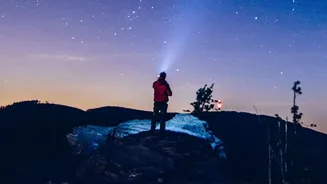
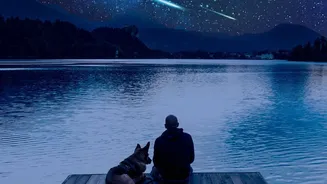
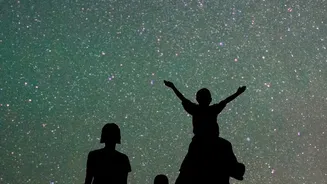
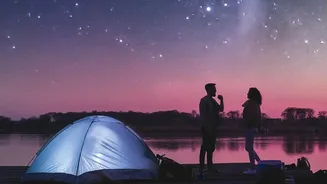
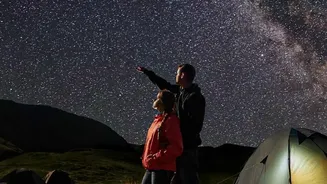
Association) certifying over 200 places worldwide that are actively working to preserve natural darkness. This isn't just for professional astronomers. It’s for anyone who has felt the pull of the cosmos, from families seeking a unique holiday to solo travellers wanting a moment of reflection. The experience can range from simply lying on a blanket and watching for shooting stars to attending organised stargazing festivals, participating in astrophotography workshops, or visiting observatories.
The New Definition of Adventure
Adventure travel has long been synonymous with high-octane activities like rock climbing, whitewater rafting, or jungle trekking. Dark-sky tourism proposes a different kind of thrill—one that is quieter, more accessible, and arguably more profound. The adventure here isn't about conquering a physical peak, but about grasping our place in the universe. In an age of digital saturation, the experience of standing in true silence under a canopy of billions of stars offers a powerful antidote. It’s a journey inward, a chance to disconnect from screens and reconnect with the natural world in a way that feels both ancient and essential. This form of adventure trades adrenaline for awe, offering a deep sense of perspective that can be life-altering.
A Booming Trend in India
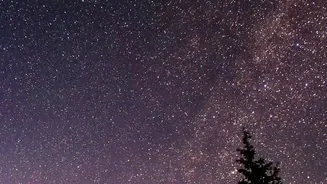
This global movement has found fertile ground in India, where vast rural landscapes and high-altitude regions offer some of the best stargazing conditions on the planet. The interest is soaring; one report cited that nearly 78% of Indian travellers are interested in night-sky-focused tourism. Destinations like Ladakh and Spiti Valley have become hotspots, with travellers flocking to witness the Milky Way in its full glory. In 2022, Hanle in Ladakh was designated India's first official Dark Sky Reserve, leading to a massive surge in visitors. Beyond the Himalayas, places like the Rann of Kutch in Gujarat, Jaisalmer in Rajasthan, and parts of the Western Ghats are also emerging as popular astrotourism destinations. This boom is not only offering new experiences but also creating sustainable economic opportunities for local communities.
More Than Just a Pretty View
The benefits of seeking out dark skies extend beyond the visual spectacle. For humans, exposure to natural cycles of light and dark is crucial for regulating sleep and overall well-being. For the planet, combating light pollution is a vital part of conservation. Artificial light disrupts ecosystems, affecting the migration, breeding, and hunting patterns of countless nocturnal animals. By supporting dark-sky tourism, travellers are also endorsing the protection of these fragile environments. It’s a form of sustainable and regenerative travel, where tourism dollars help preserve natural darkness for future generations to enjoy. Many designated dark-sky locations actively engage visitors in conservation education, turning a beautiful vacation into an impactful one.
How to Plan Your Starry-Eyed Trip
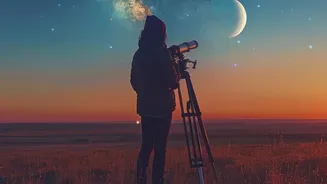
Getting started with dark-sky tourism is surprisingly simple. You don't need expensive equipment; the most spectacular views at the best sites are often visible to the naked eye. A pair of binoculars can enhance the experience, as can a stargazing app on your phone to help identify constellations. For the best viewing, plan your trip around a new moon, when the sky is at its darkest. In India, the Himalayan regions are best visited from May to October, while desert locations like Rajasthan and Kutch are ideal between October and February. You can opt for a self-guided trip to a national park or book with a growing number of companies that offer curated experiences, complete with telescopes and expert guides.