

The Quiet Revolution in Cold Tea
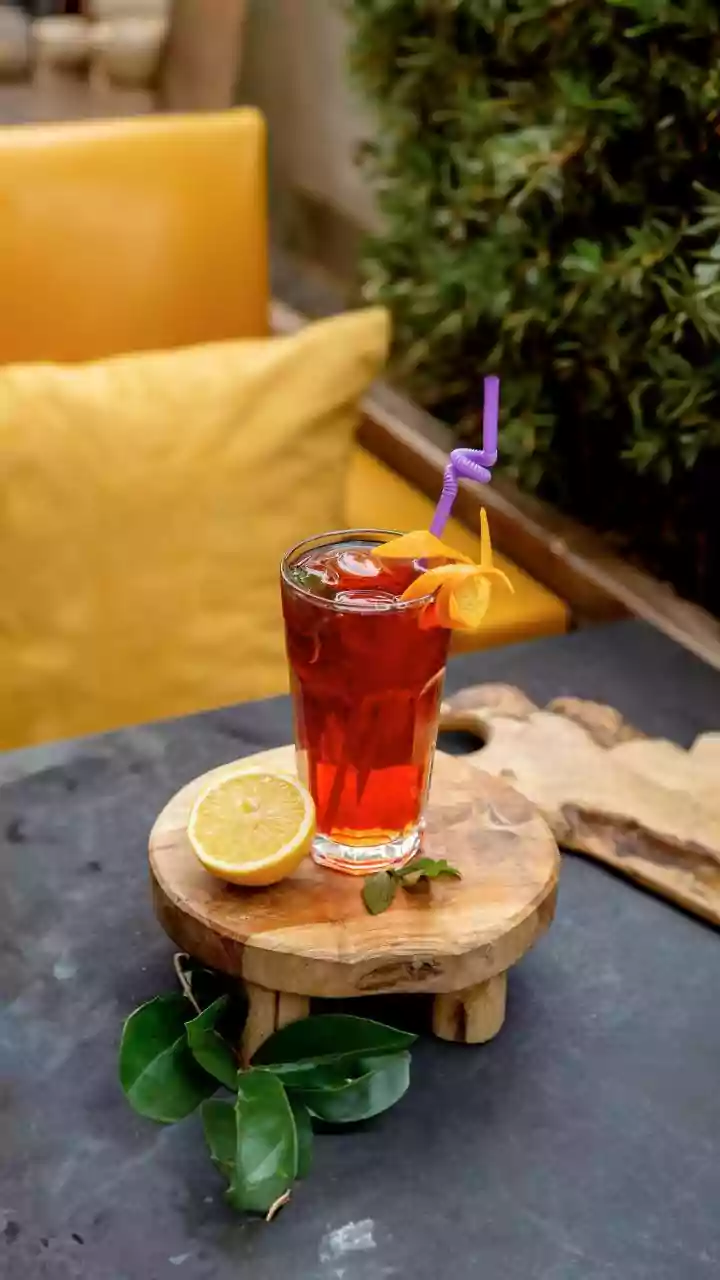
For years, iced tea was often an afterthought—brewed hot, cooled quickly, and frequently loaded with sugar. But as consumers increasingly seek out artisanal and wellness-oriented beverages, cold tea is being reimagined. The focus has shifted to the 'slow
steep' or 'cold brew' method. Unlike flash-chilling hot tea, this technique involves infusing tea leaves and botanicals in cold water for several hours. This gentle, patient process extracts fewer tannins, the compounds responsible for bitterness and astringency. The result is a naturally smoother, sweeter, and more nuanced drink that allows the delicate character of its ingredients to shine. This method is turning the simple act of drinking cold tea into a craft, similar to specialty coffee, where terroir and quality are paramount.
Vetiver: The Grounding, Earthy Soul
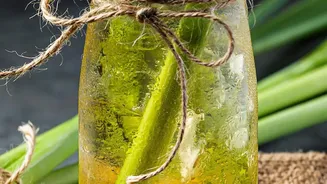
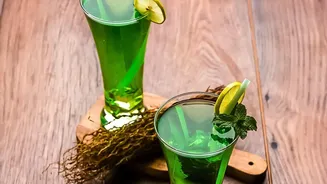
Known in India as 'khus', vetiver is a perennial grass whose power lies in its complex root system. Traditionally used for its cooling properties, vetiver has been a staple in Indian summers for centuries. Its roots are woven into screens that, when sprinkled with water, cool the air while releasing a distinctive aroma. This same root, when infused in drinks, imparts a deep, earthy, and slightly smoky flavour that is profoundly grounding. In the context of cold tea, vetiver introduces a sophisticated, almost savoury complexity that lingers. Its scent is known in aromatherapy for its calming effects, believed to reduce stress and anxiety. By adding vetiver to a cold infusion, what was once a simple thirst-quencher becomes a multi-sensory experience that cools the body and centres the mind.
Hibiscus: A Vibrant, Tart Awakening
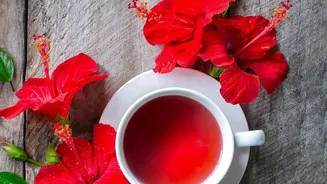
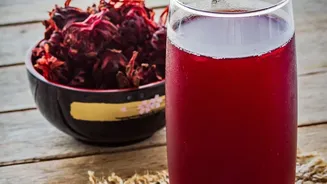
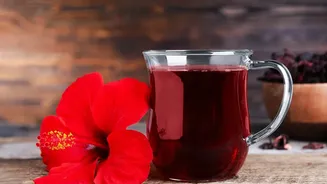
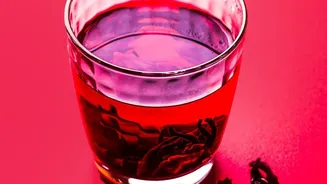
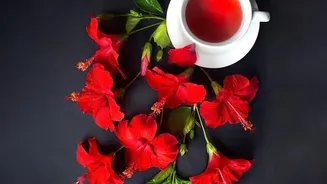
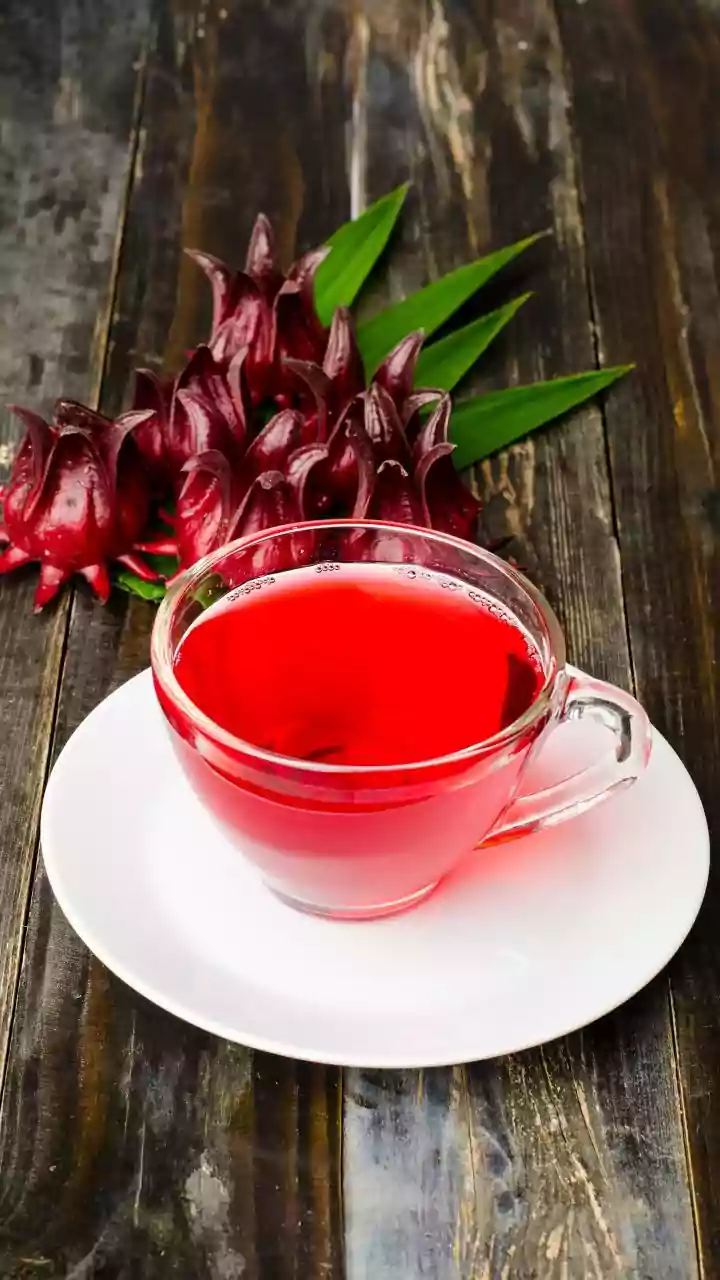
If vetiver provides the earthy base note, hibiscus delivers the vibrant, high note. Made from the dried petals of the Hibiscus sabdariffa flower, this botanical infusion is celebrated across the globe, from Egypt's 'Karkade' to Mexico's 'Agua de Jamaica'. Hibiscus steeps into a stunning, deep ruby-red beverage with a refreshingly tart flavour reminiscent of cranberries or pomegranate. It is naturally caffeine-free and rich in antioxidants like anthocyanins, which are responsible for its brilliant colour. The slow, cold steeping method is particularly kind to hibiscus, preserving its delicate compounds and resulting in a smoother flavour profile with less sharp acidity than a hot brew. Its bright, fruity punch provides a perfect counterpoint to the deep earthiness of vetiver, creating a balanced and invigorating drink.
A Symphony of Flavour and Function
The true transformation lies in how these two botanicals work together within a slow-steeped tea. The combination of vetiver's cooling, calming properties and the antioxidant-rich, zesty nature of hibiscus creates a beverage that is both functional and flavourful. This isn't just about mixing two tastes; it’s about creating a holistic experience. The grounding essence of vetiver can temper the bright assertiveness of hibiscus, resulting in a perfectly balanced cup that is at once refreshing and restorative. Brands and home brewers are now pairing these botanicals with different tea bases—from light white teas to robust black teas—to explore an even wider spectrum of flavours. The addition of other spices like ginger or mint can further enhance the complexity. This layering of ingredients elevates cold tea from a monolithic flavour to a dynamic and sophisticated drink.