


The Right Footwear Is Non-Negotiable
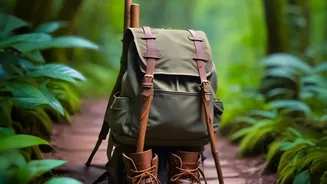
Your first line of defence against a fall is what’s on your feet. Regular sports shoes or sneakers simply won’t do. The single most important piece of gear is a pair of trekking shoes with deep grooves, or lugs, on the sole for maximum grip. Look for shoes with high
ankle support to prevent twists and sprains on uneven surfaces. While waterproof shoes sound ideal, many experienced trekkers prefer water-resistant, breathable boots. In the relentless rain of the Ghats, water will eventually get in over the collar; breathable shoes allow this water to drain out, whereas waterproof ones can trap it, leaving your feet soaked. Pair your shoes with quick-dry synthetic or wool socks; cotton socks absorb moisture and can lead to painful blisters and chafing.
Master the Art of the Monsoon Walk
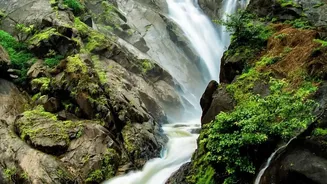
Walking on slippery rocks is a skill. Rushing is the enemy. Slow down and be deliberate with every step. Maintain your balance and try to keep your centre of gravity low. When ascending, place your entire foot on the rock rather than just your toes. On descents, take small, controlled steps and avoid locking your knees. Look for patches of bare rock, as these often provide more friction than surfaces covered in moss or algae. Test a rock's stability with your foot or a trekking pole before committing your full body weight. Never jump from one slippery rock to another, especially when crossing streams. The force of the landing significantly increases your chance of slipping.
Use Trekking Poles for Stability
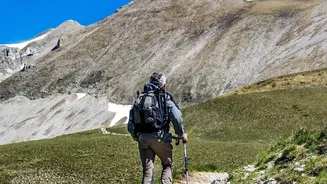
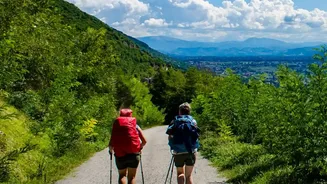
Trekking poles are not just for older hikers; in the monsoon, they are essential safety equipment. A pair of poles gives you two extra points of contact with the ground, dramatically increasing your stability on slick surfaces and tricky descents. They help you probe the depth of muddy patches and test the stability of unseen rocks underfoot. When crossing streams, poles provide crucial support against the water's current. Choose poles with carbide tips for better grip on rock and make sure they are adjusted to the correct height—your elbow should be at a 90-degree angle when holding the pole on flat ground.
Essential Gear Beyond Your Boots
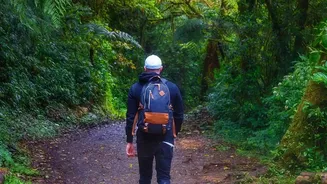
While shoes are critical, other gear enhances safety. A good poncho or rain jacket is a must, but consider wearing a simple sun cap underneath. The cap's brim will keep rain from dripping directly onto your face, improving your visibility so you can see the trail clearly. Pack everything inside your backpack in waterproof dry bags; even a good rain cover can fail in a fall or a downpour. This includes a change of dry clothes, electronics, and a first-aid kit. Avoid jeans and cotton clothing entirely, opting for quick-dry synthetic fabrics that won't weigh you down when wet.
Plan, Check, and Be Ready to Turn Back
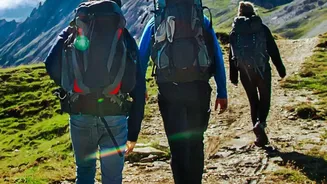
Safety begins before you even reach the trailhead. During the monsoon, authorities may close certain trails due to heavy rain or landslide risk. Always check the latest weather forecasts and local advisories before you leave. Some popular treks in states like Karnataka now require permits and certified guides, with access restricted during peak rainfall. Trekking alone is not advisable in these conditions; always go with a group or a qualified guide. Finally, be prepared to alter your plans. If a stream looks too swollen to cross safely or if the rain becomes a torrential downpour, the smartest and safest decision is always to turn back. The mountains will be there for you to enjoy another day.