






The Modern Breakfast Dilemma
For anyone serious about fitness, breakfast is a strategic meal, not just a routine. The challenge is finding something that ticks all the boxes: it must be nutritious, provide sustained energy for workouts, support muscle repair, and help with weight
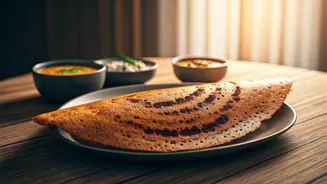
management. Many common breakfast choices fail on at least one front. Sugary cereals cause an energy crash, oily parathas can be heavy, and a simple toast might leave you hungry in an hour. This is where traditional wisdom comes to the rescue. Ragi, or finger millet, has been a staple in Indian households for centuries, and turning it into a dosa creates the ultimate fitness-friendly breakfast.
Why Ragi is a Nutritional Powerhouse
Before diving into the dosa, let's appreciate the grain itself. Ragi is a nutritional titan masquerading as a humble millet. First, it’s a fantastic source of complex carbohydrates, which break down slowly in your system, providing a steady stream of energy instead of a quick spike and crash. This makes it ideal for fueling your day and your workouts. It is also loaded with dietary fibre, which is crucial for digestive health and creating a feeling of fullness. Furthermore, Ragi is naturally gluten-free, making it an excellent option for those with gluten sensitivity or celiac disease. Its rich mineral profile, particularly its high calcium content, sets it apart from other common grains like rice and wheat.
Your Ally in Weight Management
If weight management is one of your primary fitness goals, Ragi Dosa should be on your plate. The high fibre content is your best friend here. Fibre adds bulk to your meal without adding significant calories, promoting satiety and keeping you feeling full for longer. This reduces the likelihood of mid-morning snacking on unhealthy options. Additionally, Ragi contains an amino acid called Tryptophan, which can help curb appetite. By preventing overeating and unnecessary cravings, a Ragi Dosa breakfast sets a positive tone for the rest of your day’s eating habits, making it easier to stay within your calorie targets without feeling deprived.
Sustained Fuel for Peak Performance
Timing your pre-workout meal is key, and Ragi Dosa is an excellent choice. The complex carbohydrates ensure that your muscles are supplied with a consistent source of glucose during exercise. Unlike simple sugars that give you a short burst of energy followed by fatigue, Ragi’s low glycemic index provides a slow and steady release of fuel. This helps improve endurance, allowing you to train harder and for longer. Whether you're heading for a long run, a heavy lifting session, or a high-intensity class, a breakfast of Ragi Dosa an hour or two before will ensure your energy levels don’t plummet when you need them most.
Supporting Bone Health and Recovery
Fitness isn't just about performance; it's also about building a strong, resilient body. Ragi is one of the best plant-based sources of calcium, a mineral vital for bone density and strength. A fitness regimen, especially one involving high-impact activities or weightlifting, puts stress on your skeletal system, making adequate calcium intake non-negotiable. While not a protein giant like eggs or whey, Ragi provides a decent amount of plant-based protein, which contributes to muscle repair and recovery after a workout. When you pair your dosa with a protein-rich side like sambar (made with lentils) or a chutney with peanuts, you create a well-rounded meal that supports both strength and recovery.
Making Your Dosa Even Healthier
While Ragi Dosa is inherently healthy, how you prepare and serve it matters. For maximum benefit, use fermented batter. Fermentation enhances the bioavailability of nutrients, making them easier for your body to absorb, and adds beneficial probiotics for gut health. Cook the dosa with minimal oil or ghee; a good non-stick pan is your best tool. Instead of a potato filling, which adds simple carbs, opt for a filling of grated paneer, mixed vegetables, or crumbled tofu to boost the protein and vitamin content. Serve it with nutrient-dense accompaniments like lentil-based sambar, coconut chutney, or tomato chutney instead of sugary sauces.