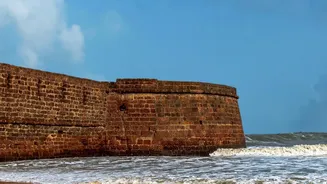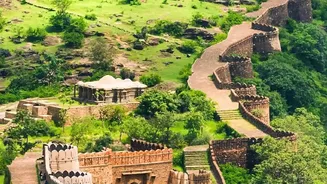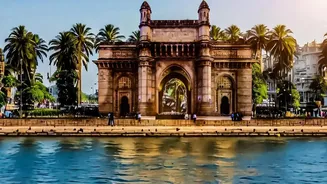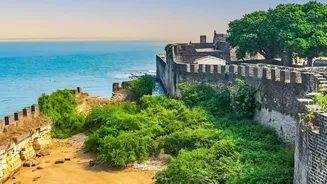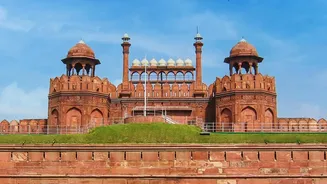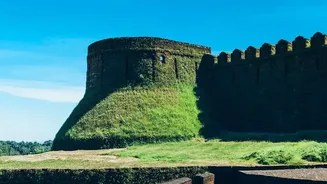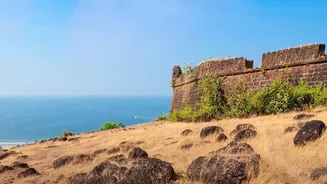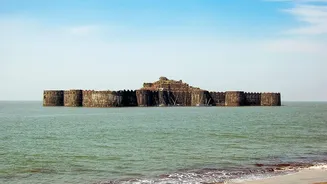





Perched on rocky shores, India's coastal forts are more than just historic ruins; they are becoming magnets for a new generation of travellers seeking authentic connections to the past. Here’s why these maritime marvels are so captivating.
The Rise of the Heritage Seeker
In a world of
fleeting trends, a growing number of travellers are seeking something more meaningful. They are not just tourists, but heritage seekers, explorers eager to connect with the authentic stories and people of the past. This shift towards experiential travel has put a spotlight on India's vast historical treasures. These travellers often stay longer and spend more, driven by a desire to understand the culture, history, and architectural genius of the places they visit. Maharashtra, with its hundreds of forts, is a prime destination for this new wave of tourism. While many forts were once visited mainly by trekkers, a focused approach on heritage is now attracting a wider audience.
The Unique Allure of Sea Forts
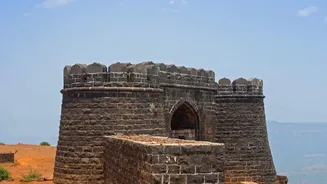
While India has no shortage of majestic land-based forts, its coastal fortifications offer a unique and dramatic appeal. Standing as silent sentinels against the Arabian Sea, these structures tell tales of naval battles, maritime trade, and incredible resilience. Unlike their inland counterparts, sea forts blend history with the raw beauty of the ocean. They were strategic masterpieces designed to guard coastlines, control sea routes, and repel invaders from the water. The journey to reach them, often by boat, is part of the adventure, offering stunning views and a sense of discovery before you even step on their ancient stones.
Case Study: The Unconquered Murud-Janjira
Perhaps no sea fort captures the imagination quite like Murud-Janjira in Maharashtra's Raigad district. Situated on an oval-shaped island, this fortress is famous for one remarkable fact: it was never conquered. Despite repeated attacks by Maratha, Portuguese, and British forces, its 40-foot-high walls remained unbreached. Originally a wooden structure built by local fishermen to fend off pirates, it was transformed into an impregnable stone fortress in the 16th century by Malik Ambar of the Ahmadnagar Sultanate and later became the stronghold of the Siddis. Its name itself is a clue to its identity, with 'Janjira' derived from the Arabic word 'jazeera', meaning island.
Exploring the Fort Made Simple
A visit to Murud Janjira is a journey back in time. After a short boat ride from the Rajapuri jetty, you arrive at the fort's main gate, which is cleverly concealed and only becomes visible up close—a strategic feature to surprise enemies. Inside, the 22nd acre expanse holds the ruins of palaces, quarters, and a mosque. One of the most fascinating aspects is the presence of two freshwater ponds within the fort, a remarkable feat of engineering that allowed its inhabitants to withstand long sieges. Visitors are often drawn to the fort's 19 imposing bastions, which still hold massive cannons, including the famous 'Kalalbangdi'. Exploring its labyrinthine passages and ramparts offers a tangible connection to its storied past and breathtaking panoramic views of the Arabian Sea.
Planning Your Visit
Murud Janjira is an accessible weekend getaway, located approximately 165 km from both Mumbai and Pune. The drive itself, especially along the coastal road via Alibaug, is scenic and rewarding. The journey to the fort requires a boat from Rajapuri jetty, which takes about 15 - 20 minutes. The best time to visit is between October and March, when the sea is calm and the weather is pleasant for exploration. While entry to the fort itself is often free, there is a fare for the shared boat ride. For a richer experience, consider hiring a local guide at the jetty who can bring the fort's incredible history to life with stories of its battles and legends.