



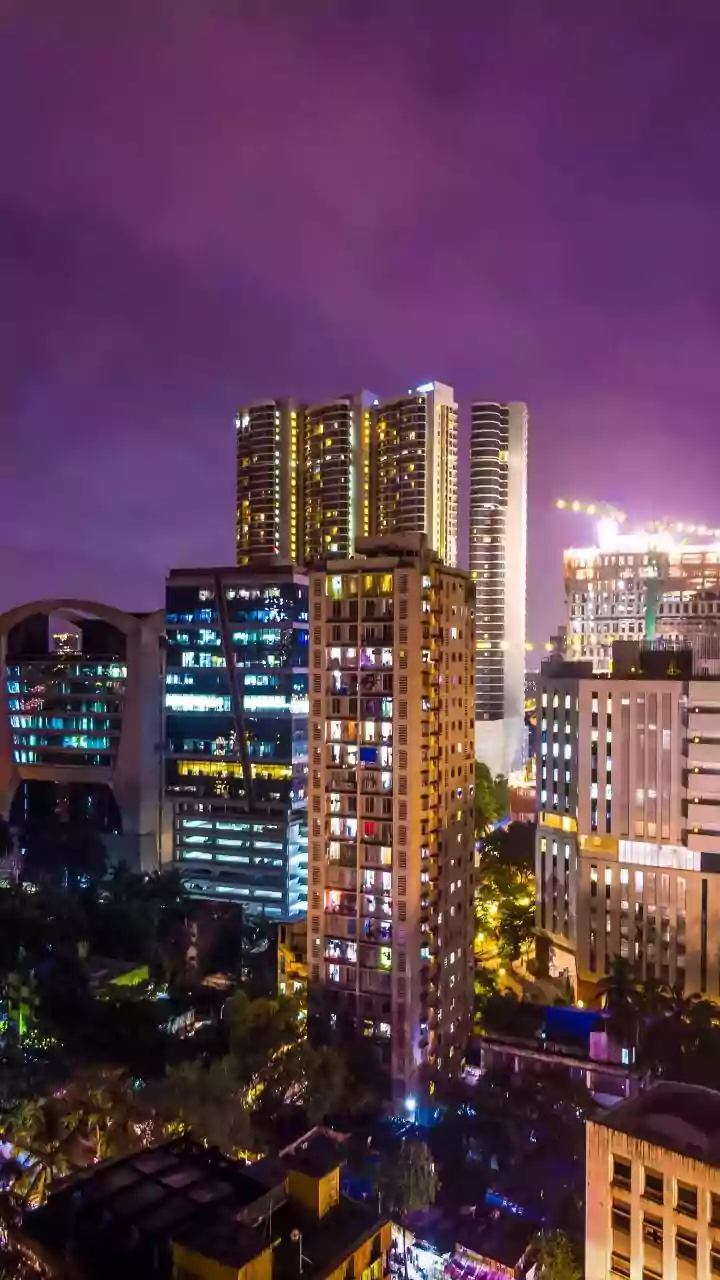



What is an Urban Heat Island?
An Urban Heat Island, or UHI, occurs when a city experiences much warmer temperatures than nearby rural areas. The reason is simple: our cities are swapping natural, cooling landscapes like forests and fields for heat-absorbing materials. Concrete, asphalt,
and dark-coloured buildings soak up solar radiation all day and then release that stored heat slowly throughout the night. This process prevents the city from cooling down after sunset, disrupting the local climate and creating a bubble of warmth that can be several degrees higher than the surrounding countryside.
The New Hotspots: India's Tier 2 Cities
While the UHI effect has been long documented in megacities like Delhi and Mumbai, it's now a rapidly growing concern in Tier 2 cities. Places like Jaipur, Lucknow, and Pune are undergoing swift, often unplanned, urbanisation. This boom in development means vast tracts of green cover and water bodies are being replaced by dense construction and sprawling road networks. A 2024 study, for instance, noted that in cities like Pune, densely built-up areas with little greenery recorded alarmingly high surface temperatures compared to affluent, greener neighbourhoods. This rapid transformation is enhancing warming by up to 60 percent compared to non-urban areas, turning these emerging economic hubs into new heat traps.
When Night Brings No Relief
One of the most significant impacts of the UHI effect is the disruption of the nighttime microclimate. A microclimate is the distinct set of atmospheric conditions in a specific, localised area, like a single street or neighbourhood. In a natural environment, the air and ground cool significantly after dark. But in a concrete jungle, the heat radiated by buildings and roads keeps nighttime temperatures artificially high. This lack of cooling relief is a defining feature of the heat island effect and has profound consequences for human health. High nighttime temperatures can prevent our bodies from recovering from daytime heat, leading to chronic fatigue and other health issues.
The Toll on Sleep and Health
A good night's sleep is not a luxury; it's a biological necessity. To initiate and maintain deep sleep, our core body temperature needs to drop slightly. Elevated nighttime temperatures directly interfere with this natural process. Research shows that hotter ambient temperatures are consistently linked to degraded sleep quality, difficulty falling asleep, and more frequent awakenings during the night. This leads to less restorative sleep, which in turn can cause daytime fatigue, reduced cognitive performance, and a weakened immune system. A study focusing on Indian cities found that 42% of residents in some urban settlements reported sleep disturbances specifically due to nighttime heat. For vulnerable populations, such as the elderly, children, and outdoor workers, the health risks are even greater, extending to heat exhaustion and increased cardiovascular strain.
Paving a Cooler Path Forward
The challenge of urban heat is significant, but not insurmountable, especially for Tier 2 cities that are still in a phase of rapid growth. The key lies in smarter, more sustainable urban planning. Solutions range from simple, building-level interventions to city-wide policies. 'Cool roofs', which use reflective paints or materials to reduce heat absorption, can lower indoor temperatures by several degrees. Expanding urban green infrastructure is also critical; more parks, roadside trees, and green belts provide shade and cool the air through a natural process called evapotranspiration. Integrating these strategies into urban development plans can help mitigate the UHI effect, ensuring that as our cities grow, they remain healthy and liveable for all residents.