

The Call of the Mountains in a Cup
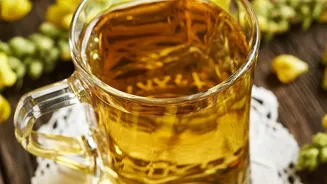
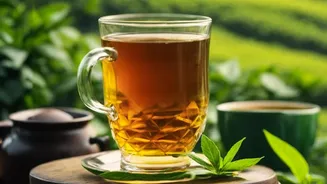
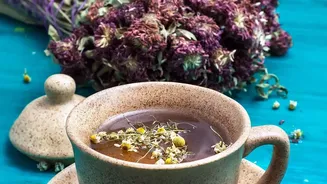
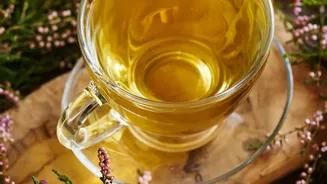
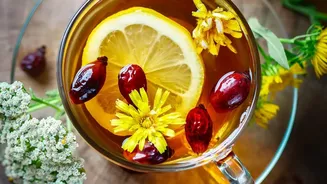
So, what exactly are these Himalayan infusions? Think of them not as traditional tea from the 'Camellia sinensis' plant, but as tisanes—naturally caffeine-free brews made from flowers, herbs, berries, and leaves. Many of these ingredients, like rhododendron,
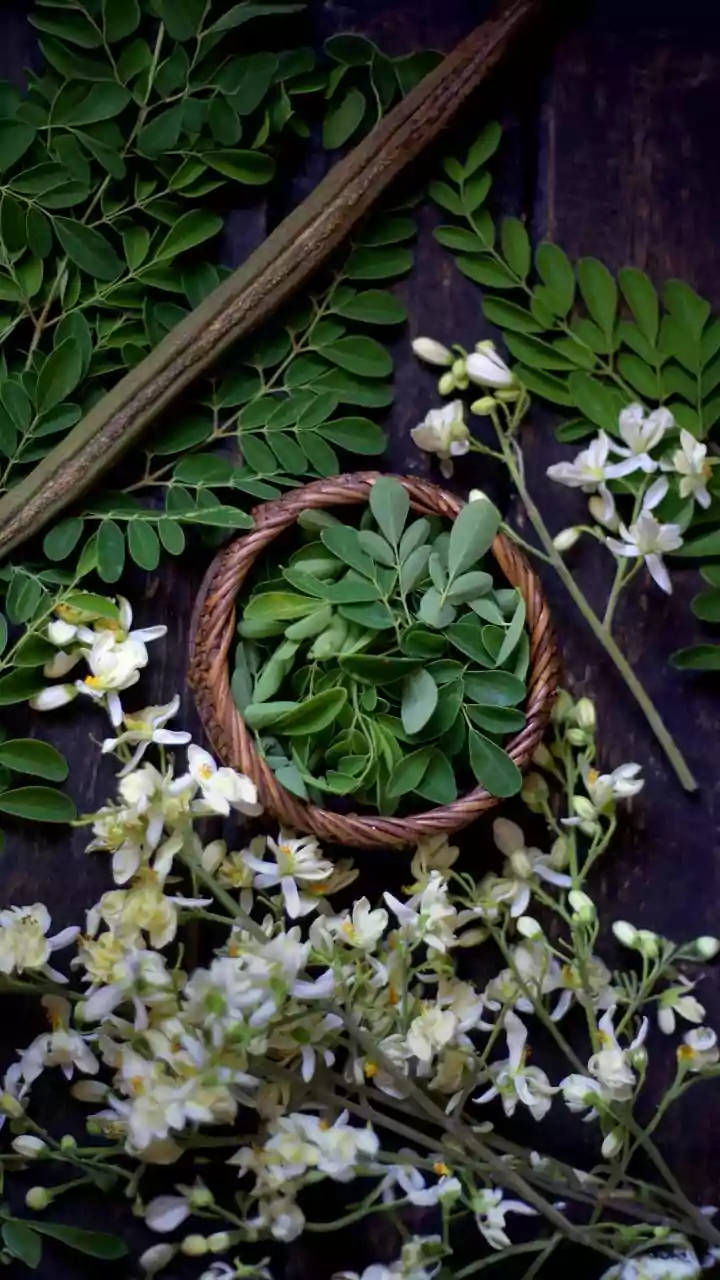
sea buckthorn, tulsi, and chamomile, are sourced from the pristine Himalayan region. For centuries, communities in these mountains have used these botanicals in folk remedies and daily drinks. Now, this ancient wisdom is being rediscovered and elegantly packaged for a new audience. Brands and even research institutes are exploring these local herbs to create value-added infusions known for their wellness benefits.
The Growing 'No Milk' Movement
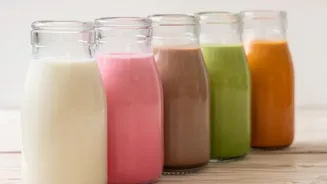
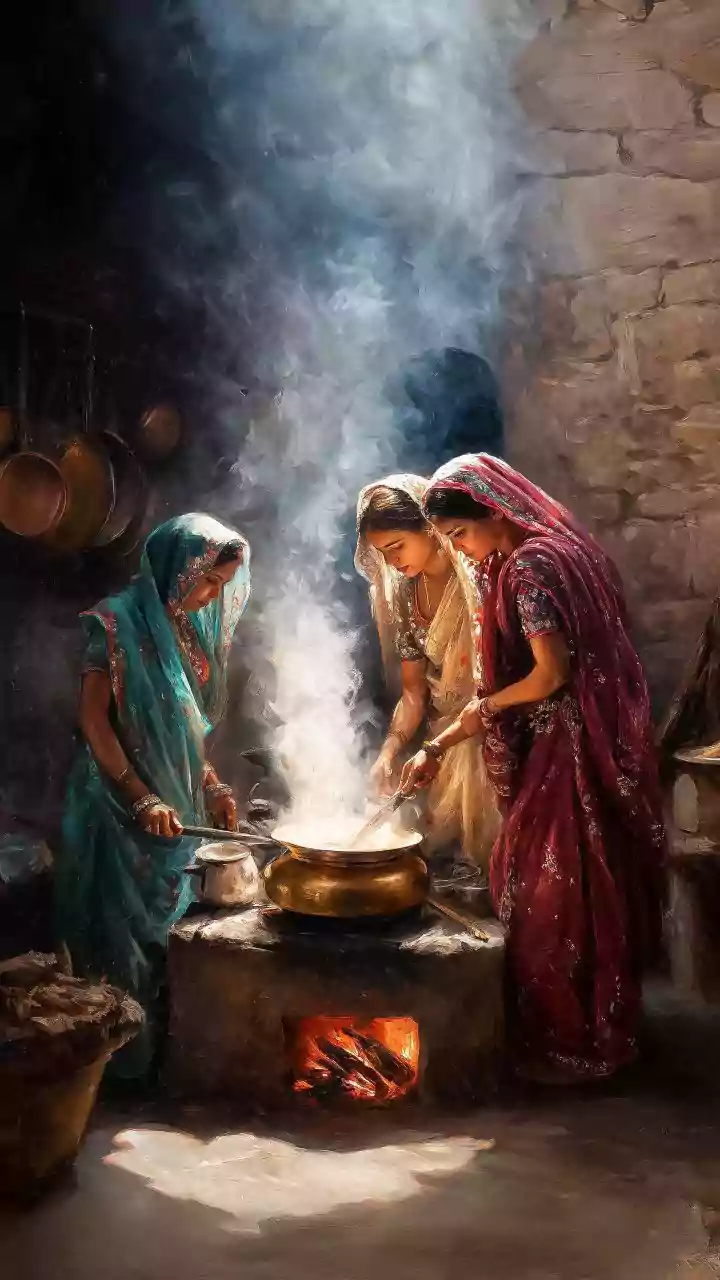
A key part of the appeal is that these infusions are enjoyed without milk. This aligns perfectly with a broader dietary shift in urban India. A significant portion of the Indian population is estimated to have lactose malabsorption, leading many to seek dairy-free options to avoid discomfort like bloating and indigestion. Beyond intolerance, there's a growing influence of veganism and plant-based diets, which view dairy-free as an ethical and environmental choice. For others, it's simply about preferring a lighter, cleaner-tasting beverage that feels hydrating and doesn't sit heavily, a stark contrast to the rich, milky chai that has long dominated Indian beverage culture. This has opened up a significant market for plant-based and dairy-alternative drinks.
A Sip of Functional Wellness
These infusions aren't just pretty drinks; they are seen as 'functional beverages' that offer health benefits beyond simple hydration. For example, rhododendron (buransh) flower tea is traditionally consumed for its anti-inflammatory properties and is rich in antioxidants. Sea buckthorn, a bright orange berry, is a powerhouse of vitamins and omega fatty acids, believed to support heart and skin health. Other Himalayan herbs like tulsi are known for boosting immunity, while chamomile is globally recognized for its calming effects. This aligns with a major trend among Indian consumers who are actively seeking products that support their health goals, from better immunity to stress reduction.
The Perfect Drink for the Burnout Generation
The phrase 'mindful urban Indian drinkers' points to a specific demographic that is driving this trend. This group largely consists of millennials and Gen Z living in metros, who are often dealing with high-pressure jobs and digital overload. They are part of a 'mindful consumption' movement, where choices are driven by a desire for wellness, care for oneself, and a connection to nature. A warm, caffeine-free herbal infusion offers a ritual of calm in a hectic day. It's a small act of self-care, a way to de-stress and reconnect with oneself without the jitters of coffee or the heaviness of traditional tea. The focus is shifting from a quick energy hit to sustained, holistic well-being.
From Ancient Roots to Modern Cafe Culture
While the ingredients are ancient, their current popularity is fuelled by modern sensibilities. The appeal of Himalayan cuisine and its ingredients lies in its authenticity and connection to a specific, revered landscape. Savvy wellness brands are tapping into this, presenting these traditional infusions in beautiful, minimalist packaging that appeals to the urban aesthetic. Cafes are adding them to their menus as sophisticated, non-caffeinated options, often highlighting their origin and wellness benefits. This combination of authentic storytelling, health-forward positioning, and modern marketing has successfully transformed a regional tradition into a desirable lifestyle trend for the mindful, modern Indian consumer.