




What Exactly Is the Hidden Lotus Pose?
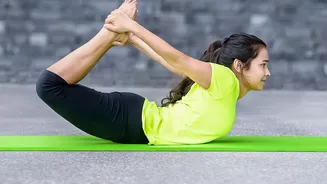
The Hidden Lotus Pose, known in Sanskrit as Baddha Padmasana (Bound Lotus) or sometimes Gupta Padmasana (Hidden Lotus), is a deep, seated posture. It begins in the classic Padmasana (Lotus Pose), where each foot is placed on the opposite thigh. From there,
the challenge intensifies significantly. The practitioner crosses their arms behind their back, aiming to grasp the big toe of each foot with the opposite hand. In some variations, the practitioner then folds forward, bringing their torso toward the ground. The name itself, 'Baddha' meaning 'bound', refers to this intricate binding of the arms and legs.
The Powerful Benefits for Body and Mind
Practitioners who can safely perform this asana can reap significant rewards. The deep stretch benefits the entire body, enhancing flexibility in the hips, knees, ankles, and shoulders. It is a powerful heart-opening pose that stretches the chest and can help counteract a rounded upper back, thereby improving overall posture. The pose also stimulates the abdominal organs, which is said to aid digestion. On a mental level, the focus required to maintain the posture can calm the nervous system, reduce stress, and deepen one's meditation practice.
Why This Isn't a Pose for Beginners
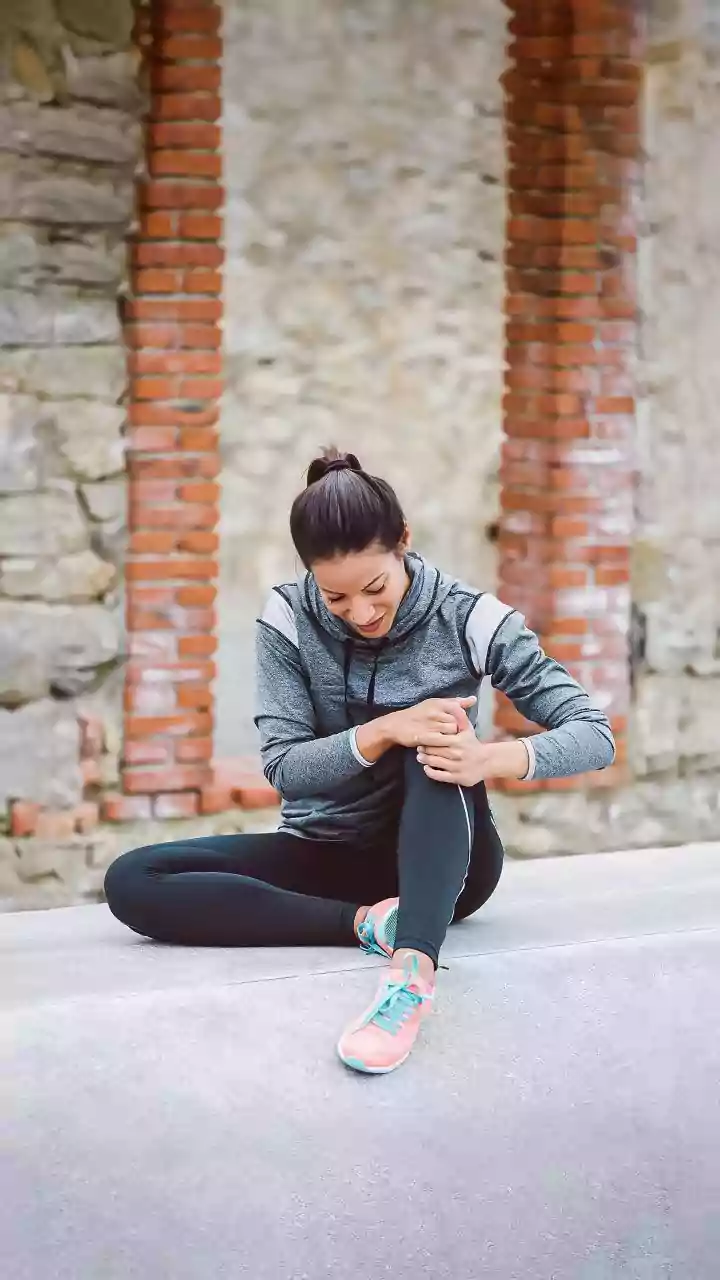
Shilpa Shetty herself cautioned her followers, advising them to avoid forcing the body into the pose. Baddha Padmasana is considered an advanced posture for several reasons. It demands an extraordinary level of flexibility that takes most people years to develop. The primary risk lies in the joints, particularly the knees. If the hips are not sufficiently open, attempting to force the feet into Lotus Pose can transfer dangerous torque to the knee joint, potentially leading to ligament or meniscus tears. Similarly, the binding action requires extensive shoulder mobility—specifically internal rotation and extension—which many people lack due to modern sedentary lifestyles. Attempting the bind without adequate preparation can strain the shoulder joints and rotator cuffs.
A Word of Caution: Who Should Avoid It
This posture is not suitable for everyone. Individuals with any current or past injuries to the knees, ankles, hips, or shoulders should avoid this pose entirely. It's also contraindicated for those with sciatica or significant lower back pain, as the deep hip rotation can aggravate the sciatic nerve. Pregnant women and menstruating women are also advised to refrain from this asana due to the intense pressure it places on the abdomen. The key takeaway is to listen to your body; pain is a signal to stop immediately.
Safer Alternatives to Build Your Foundation
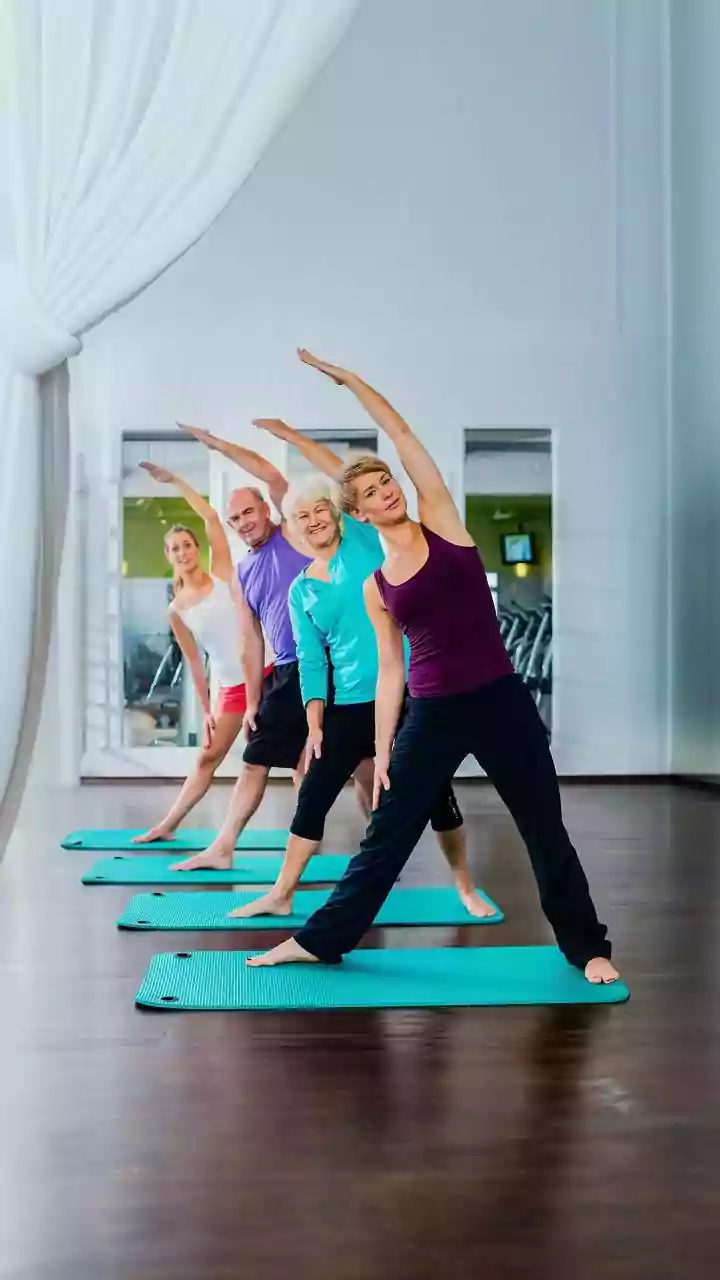
Instead of jumping into an advanced pose, beginners can work on foundational postures that build the necessary mobility over time. For hip flexibility, poses like Baddha Konasana (Bound Angle Pose), Janu Sirsasana (Head-to-Knee Pose), and various Pigeon Pose (Kapotasana) variations are excellent starting points. To prepare for the full Lotus, one can practice Ardha Padmasana (Half Lotus Pose), where only one foot is placed on the opposite thigh. For shoulder opening, Gomukhasana (Cow Face Pose) arms are fantastic for increasing the range of motion needed for the bind. Focusing on these preparatory poses will create a safer and more sustainable yoga journey.