

The city haze has stolen the stars from our sight, but beyond the urban glow lies a cosmos waiting to be rediscovered. India, with its diverse landscapes, offers breathtaking windows to the universe. Here’s a guide to the best and safest spots.
General Safety for Stargazers
Before
venturing into the night, a few universal rules ensure your stargazing is both magical and safe. Always let someone know your plans. Travel in a group if possible, especially in remote areas. Carry a first-aid kit, extra water, and a fully charged phone with a power bank. If you need a torch, use one with a red light setting; it preserves your night vision and is less disruptive to nocturnal wildlife and fellow astronomers. Lastly, dress in warm layers. Even in seemingly mild climates, temperatures can drop significantly after dark, and standing still for long periods makes you feel the cold more intensely.
Ladakh: The Rooftop of the World
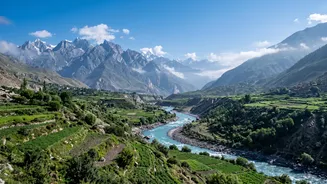
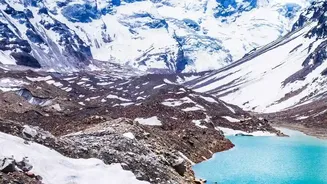
With its high altitude, thin, dry air, and near-zero light pollution, Ladakh is arguably India's premier stargazing destination. Locations like Hanle, Pangong Tso, and Nubra Valley offer skies so dark the Milky Way can appear as a bright, detailed band. Hanle is even home to India's first official Dark Sky Reserve, a testament to its pristine conditions. Safety Focus: Altitude is the primary concern here. Acclimatise in Leh for at least two to three days before heading to higher elevations like Hanle (4,500m). Drink plenty of water and avoid strenuous activity upon arrival. At night, do not wander far from your accommodation alone. The terrain is treacherous in the dark, and temperatures can plummet. Always travel with a local guide or driver who understands the roads and conditions.
Spiti Valley, Himachal Pradesh: The Cold Desert
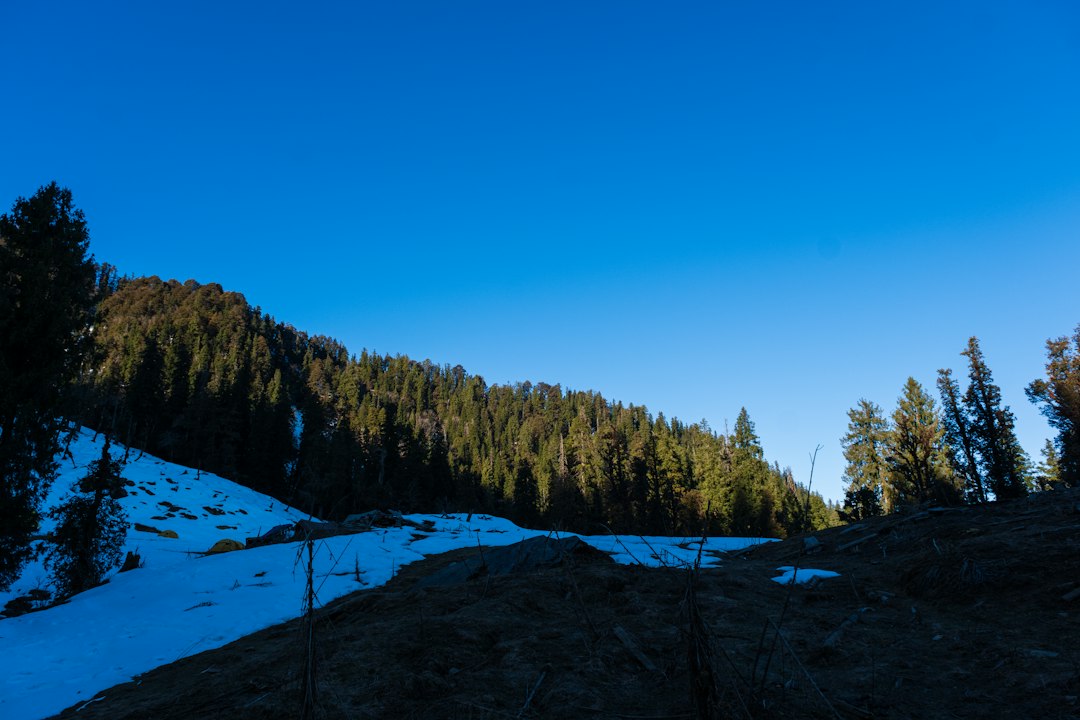
Like Ladakh, Spiti Valley is a high-altitude cold desert nestled in the rain shadow of the Himalayas, ensuring over 250 clear nights a year. Villages like Komic, Langza, and Kibber are world-renowned for their dark skies, where constellations burn with a steady, brilliant light. The remote location and sparse population mean light pollution is almost non-existent, making it a paradise for naked-eye observation and astrophotography. Safety Focus: Acclimatisation is crucial in Spiti as well. The route via Shimla allows for a more gradual ascent compared to the Manali route. Roads can be challenging, so travel in a sturdy vehicle with an experienced driver is recommended. Nights are frigid, even in summer. Pack heavy woollens, a down jacket, and insulated boots to stay warm while observing the cosmos.
Rann of Kutch, Gujarat: The Salt Desert
For a completely different stargazing experience, head to the Great Rann of Kutch. This vast salt desert offers an uninterrupted 360ndegree view of the sky. The best time to visit is from November to February, when the dry winter air provides excellent clarity. During a new moon, the darkness is profound. On a full moon night, the white salt flats glow, creating a surreal landscape under the moonlit sky. Key spots include Dhordo (near the Rann Utsav) and Kala Dungar, the highest point in Kutch. Safety Focus: The desert gets surprisingly cold at night, so warm clothing is essential. While the Rann Utsav area is generally safe, if you venture further out for darker skies, go with a guide or in a group. The flat, featureless terrain can be disorienting in the dark. Ensure your vehicle is in good condition and has a full tank of fuel.
Coorg, Karnataka: The Southern Starfield
You don't have to go to the Himalayas for dark skies. Coorg (Kodagu) in the Western Ghats offers some of the best stargazing in southern India. Its high elevation, clean air, and significant forest cover create pockets of exceptional darkness, particularly in the southern parts near the Brahmagiri Wildlife Sanctuary. Areas around Kutta, Srimangala, and Tadiandamol peak are excellent for viewing the Milky Way, especially from February to May. The best viewing season is from November to May, outside of the monsoon. Safety Focus: Coorg is home to wildlife. If you're camping or staying at a remote homestay, be aware of your surroundings and avoid walking into plantations or forested areas alone at night. Stick to designated open areas for skywatching. Some of the best spots, like Tadiandamol, require a trek, so plan your ascent and descent during daylight hours and go with a guide.