





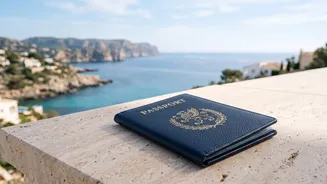
What makes a passport powerful? Is it just the number of countries you can enter without a visa? A newly released 2026 index suggests a different answer, arguing that true passport power combines travel freedom with national wellbeing.
A New Way to Measure Power
For years, passport
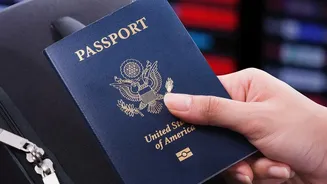
rankings like the Henley Passport Index have been the standard for measuring global mobility, focusing almost exclusively on visa-free access. A higher score meant more travel freedom, a straightforward measure of a nation's diplomatic clout. But the 2026 Happy Passports Index, a new report from advisory firm Global Citizen Solutions, introduces a more holistic approach. It asks a deeper question: What's the use of a passport that can take you anywhere if the quality of life at home is poor? This index is the first of its kind to blend traditional mobility metrics with measures of happiness and quality of life, creating a more nuanced picture of what it means to hold a 'good' passport.
How the Index Works
The Happy Passports Index assesses 50 countries on four equally weighted pillars. The first, 'Mobility', is similar to other passport rankings, scoring a passport based on the number of destinations it provides access to. The other three pillars, however, are what make this index unique. 'Wellbeing' is measured using life evaluation data from the World Happiness Report. 'Freedom at Home' considers both civil liberties and how free people feel to make their own life choices. The final pillar, 'Prosperity, Health and Safety', accounts for factors like income per person and healthy life expectancy, providing a comprehensive view of a country's living standards. By combining these four scores, the index offers a balanced perspective on a nation's overall desirability.
The 2026 Global Leaders
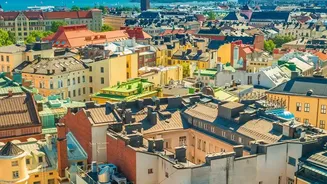
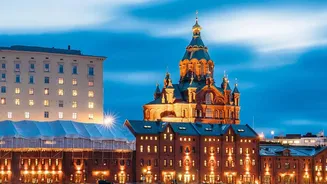
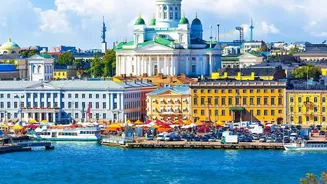
Unsurprisingly, Northern European countries dominate the top of the 2026 rankings. Finland has been named the world's happiest country for several years running and now claims the 'happiest passport' with a score of 93.2. It is followed closely by Iceland and Denmark. These nations consistently score high marks across both wellbeing and mobility. Eight of the top ten spots are held by European countries, including Norway, Switzerland, Sweden, and the Netherlands. The two non-European nations to crack the top ten are New Zealand, in eighth place, and Singapore, rounding out the list at number ten. This highlights a strong correlation: countries that prioritise the happiness and freedom of their citizens also tend to have strong diplomatic ties and greater travel freedom.
When Passport Power Isn't Enough
One of the most fascinating takeaways from the index is that maximum travel freedom doesn't always equal maximum happiness. Singapore, for instance, holds one of the world's most powerful passports in terms of visa-free access, yet it ranks lower on life evaluation scores compared to its European peers, placing it 10th on the Happy Passports list. Conversely, a country like Costa Rica ranks fourth in the world for life evaluation and is a record-high achiever for Latin America in the World Happiness Report, but its passport offers more limited mobility. This disconnect challenges the long-held assumption that passport strength is the ultimate prize. The United States provides another compelling example, ranking 28th overall despite having a high national income, due to lower scores in wellbeing and freedom.
A More Holistic View of Success
The Happy Passports Index suggests a shift in how we might define a 'successful' nation. It moves the conversation beyond purely economic indicators or geopolitical influence. Instead, it proposes that a country's true strength lies in its ability to provide its citizens with both freedom to explore the world and a secure, fulfilling life at home. This dual focus on internal wellbeing and external mobility offers a more complete measure of a country's global standing. It acknowledges that the ability to travel is a significant privilege, but one that is deeply connected to the social and political environment of one's home country. Research has shown that the ability to travel is linked to better health and reduced loneliness, reinforcing the idea that mobility and wellbeing are intertwined.