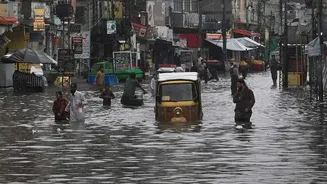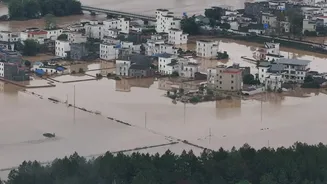






As monsoon clouds gather over India's bustling cities, the familiar dread of water-logged streets and inundated homes sets in. Yet, a powerful, often-neglected ally in the fight against urban flooding has been hiding in plain sight: the humble city lake.
Nature’s Sponges in a Concrete Jungle
Urban lakes are far more than just picturesque water bodies; they are vital pieces of natural infrastructure. During heavy rainfall, they act like giant sponges, absorbing massive volumes of excess water that would otherwise overwhelm city drainage systems. This process, known as stormwater retention, slows down the flow of water, giving it time to either be released gradually into downstream channels or seep into the ground. In a natural landscape, a significant portion of rainwater is absorbed by the soil. However, in cities dominated by concrete and asphalt, most rainfall becomes immediate surface runoff, creating the conditions for flash floods. Lakes and wetlands provide the permeable, absorbent surfaces that our cities have largely paved over.
How a Healthy Lake Manages a Downpour
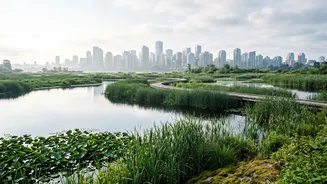
The flood mitigation power of a lake lies in its capacity and its connection to the surrounding ecosystem. A well-maintained lake system can capture rainwater, hold it, and filter it. This not only prevents flooding but also replenishes crucial groundwater aquifers, which is vital for cities that struggle with water scarcity outside of the monsoon season. The vegetation and soil around a lake, known as the buffer zone, play a critical role. These green areas slow the velocity of incoming runoff, allowing pollutants and sediment to settle instead of choking the lake. A healthy lake ecosystem is a dynamic system that actively manages water, making it a key component of what planners call a 'Sponge City'—an urban area designed to work with water rather than against it.
A Tale of Two Fortunes: Bengaluru and Chennai
The consequences of neglecting urban lakes are starkly visible across India. Bengaluru, once celebrated as the 'City of Lakes', has lost a significant number of its water bodies to urban expansion. Studies have shown a dramatic decline in water bodies and vegetation over the past few decades, replaced by a sprawling built-up area. This rampant encroachment has been directly linked to the severe flooding the city now experiences during heavy rains, as the natural sponges that once absorbed the water are gone. Similarly, the devastating floods in Chennai in 2015 were severely exacerbated by the loss of lakes and wetlands that had been converted into residential and commercial areas. The city’s flat terrain and the shrinking of its water bodies created a perfect storm for disaster, illustrating the high price of sacrificing natural flood defences for concrete development.
The Double Threat: Encroachment and Pollution
The effectiveness of urban lakes as flood barriers is being systematically destroyed by two main culprits: encroachment and pollution. Illegal construction on lakebeds and buffer zones shrinks their physical size, drastically reducing their water storage capacity. What was once a floodplain becomes a developed area, putting more property and lives at risk. At the same time, the constant inflow of untreated sewage and solid waste turns these water bodies into toxic hazards. Pollution leads to siltation, which makes the lakes shallower, and eutrophication, which depletes oxygen and kills aquatic life. A polluted, silted-up lake cannot effectively absorb monsoon runoff; instead, it overflows quickly, contributing to the very problem it is meant to solve.
Bringing the Sponges Back to Life
Fortunately,' there is a growing recognition of the need to protect and rejuvenate these urban lifelines. Across India,' community groups and government bodies are initiating restoration projects.' In Chennai,' the Smart City Mission has identified hundreds of water bodies for rejuvenation,' focusing on desilting,' increasing storage capacity,' and preventing pollution.' In Bengaluru,' community-'led efforts have successfully restored several lakes,' demonstrating that with concerted action,' these ecosystems can be revived.' These projects often involve creating wetlands for natural water filtration,' planting native species to restore biodiversity,' and building walking paths to reconnect communities with their local water bodies.' The goal is to transform them back into functional,' resilient ecosystems that can protect cities and enhance urban life.