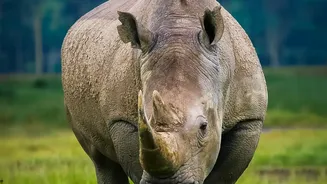




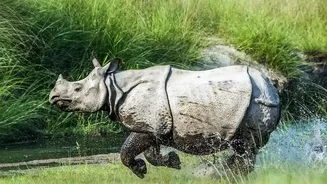
The thrill of spotting a one-horned rhinoceros in its natural habitat is an unparalleled experience. This guide provides a practical roadmap for planning your adventure in Kaziranga National Park, ensuring you make the most of your safari.
Understanding the Jeep Safari Experience
A Jeep safari
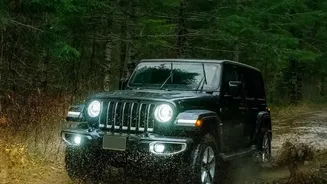
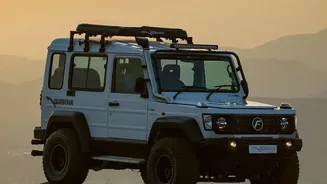
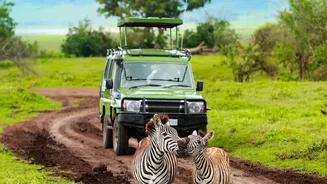
is the quintessential way to explore India's national parks. Unlike a casual drive, these excursions use rugged, open-top 4x4 vehicles designed to navigate the forest's unpaved tracks. Accompanied by a trained guide and driver, you venture deep into the wilderness, covering more ground than is possible on foot or by other means. The goal is to observe wildlife in its natural setting with minimal disturbance. These safaris typically run in fixed shifts, usually early in the morning and again in the late afternoon, as these are the times when animals are most active. The open-air vehicle provides an unobstructed, 360-degree view, making it ideal for photography and soaking in the sights and sounds of the jungle.
Spotlight on Kaziranga National Park
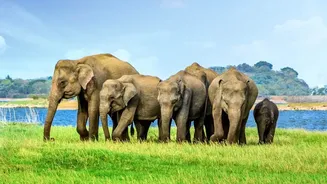
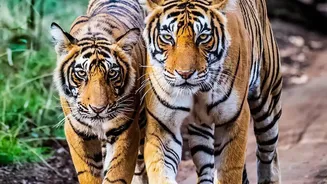
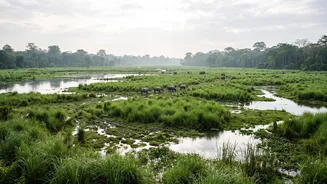
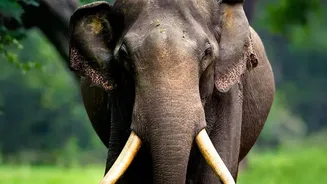
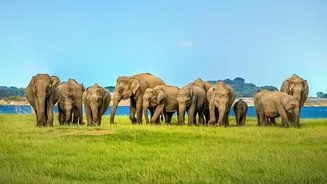
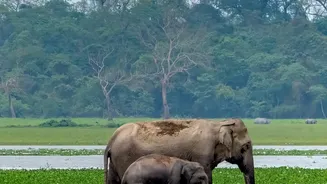
Nestled in Assam on the floodplains of the Brahmaputra River, Kaziranga National Park is a UNESCO World Heritage Site. It is globally celebrated for its incredible conservation success, hosting two-thirds of the world's great one-horned rhinoceros population. But the park is more than just rhinos; it's a vibrant ecosystem teeming with Asian elephants, wild water buffalo, swamp deer, and one of the highest tiger densities in the world. The landscape itself is a key attraction, a stunning mosaic of tall elephant grass, sprawling wetlands, and dense woodlands that change with the seasons.
Choosing Your Safari Zone
Kaziranga is divided into four main safari zones, each offering a distinct experience. Your choice of zone will shape your visit. Central Range (Kohora): This is the most popular zone, especially for first-time visitors. It boasts a diverse landscape and offers a good chance of spotting rhinos, elephants, and various deer species. Western Range (Bagori): Known for its wide-open grasslands, this zone is often considered the best for rhino sightings and photography. It can be slightly less crowded than the Central Range. Eastern Range (Agaratoli): With its extensive wetlands, this zone is a paradise for birdwatchers, attracting a huge variety of resident and migratory birds. It also offers boat safaris. Burapahar Range: Offering a hillier and more forested terrain, this zone provides a different kind of safari experience and is a good place to spot Hoolock Gibbons.
Jeep vs. Elephant Safari
Kaziranga offers two main types of safaris: by jeep and on elephant back. The Jeep safari is the standard option, available in all four zones, allowing you to cover significant distances and explore diverse habitats. An elephant safari offers a completely different perspective. These are conducted only in the early morning in the Central (Kohora) and Western (Bagori) zones. The slow, deliberate pace and the height advantage allow you to venture into the tall grasslands where jeeps cannot go, often resulting in incredibly close encounters with rhinos. If time permits, doing both provides a comprehensive Kaziranga experience.
The Best Time to Visit
The park is open to tourists from November to April. It remains closed from May/June to October due to the monsoon, when the Brahmaputra River floods the area. The period from November to February is considered the peak season, offering cool, pleasant weather ideal for safaris and birdwatching. March and April are warmer, but can offer excellent wildlife sightings as animals tend to gather around shrinking water bodies.
Booking Your Safari
It is highly advisable to book your safaris in advance, especially during the peak season. Jeep safaris can be booked online through the official tourism portals or arranged via your hotel or a reputable local tour operator. Elephant safari slots are very limited and often require booking at the counter very early in the morning, though some operators may assist with this. Remember to carry a valid photo ID for all travellers, as it is required to get entry permits.
Essential Safari Tips
To make your experience comfortable and safe, keep a few things in mind. Wear neutral, earth-toned clothing (like beige, olive, and brown) to blend in with the surroundings; avoid bright colours. Dress in layers, as early morning safaris can be quite chilly, but the day gets warmer. Pack essentials like a sun hat, sunglasses, sunscreen, and insect repellent. Most importantly, always follow your guide's instructions, remain in the vehicle unless told otherwise, and maintain silence to avoid disturbing the wildlife.