






Understanding the UK's Digital Border
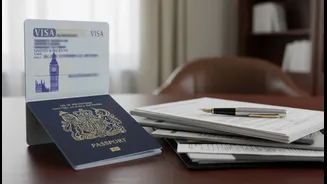
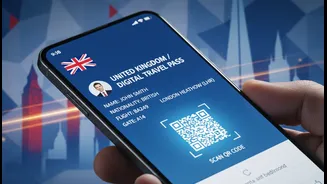
The UK is phasing out physical visa stickers and implementing a fully digital system to manage immigration. This involves two key components: the Electronic Travel Authorisation (ETA) for certain nationalities, and the eVisa for others, including Indian
citizens. The goal is to strengthen border security and streamline entry by pre-screening travellers before they arrive. From February 2026, enforcement became stricter, meaning airlines are required to check for valid digital permission before allowing passengers to board. Travellers without the correct authorisation risk being denied travel.
A Tale of Two Systems: ETA vs. eVisa
It is crucial for Indian travellers to understand the distinction between the ETA and an eVisa. The Electronic Travel Authorisation (ETA) is a digital permit for nationals of countries who do not need a visa for short UK stays, such as citizens from the US, Canada, Australia, and the EU. It is not a visa, but a pre-travel clearance. Indian passport holders are not eligible for the ETA scheme. India is on the UK's 'visa national' list, which means citizens must still apply for a visa for any visit. The recent change for Indian nationals is that the approved visa is now issued as a digital eVisa, rather than a physical sticker in the passport.
What is an eVisa for Indian Travellers?
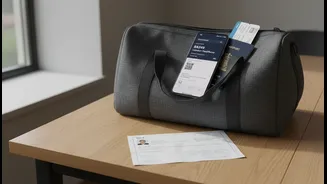
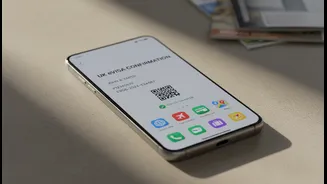
Starting in 2026, the UK began issuing eVisas to successful Indian applicants. Instead of a vignette (sticker) in your passport, you receive a digital confirmation linked to your passport in your online UK Visas and Immigration (UKVI) account. This digital record serves as your proof of permission to travel. The application process itself remains largely unchanged: you must still fill out the relevant visa application online (such as the Standard Visitor Visa), pay the fee, and attend a biometric appointment at a Visa Application Centre (VAC) in India to provide fingerprints and a photograph. The main difference is the final output is digital.
The ETA Scheme Explained
While not for Indians, it's useful to understand the ETA system as it's part of the same border digitisation effort. An ETA costs around £10-£20 and is valid for two years, allowing multiple visits of up to six months each. The application is made online or via the UK ETA app and is typically approved within three working days, often much faster. It's designed for visa-exempt nationals for purposes like tourism, business, study, or family visits. Again, this does not apply to Indian passport holders, who must go through the full visa application process.
How to Prepare for Your UK Trip
For Indian travellers, the core advice remains the same, with a new digital twist. First, determine the correct visa for your trip (e.g., Standard Visitor Visa). Apply well in advance through the official GOV.UK website. After submitting your application and biometrics, create your UKVI account to access your eVisa once it is granted. Ensure that the passport details linked to your UKVI account are always current. Before you fly, double-check that you can access your digital visa status. Airlines will verify this permission electronically before you board, so having your documents in order is more critical than ever.