





A Search for Shared Wonder
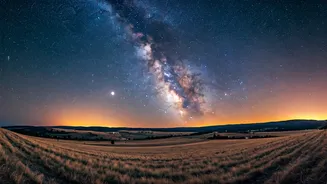
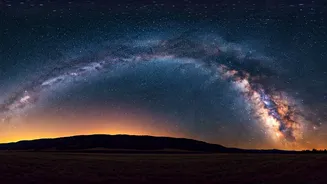
Something shifted in the American family's search for quality time. After years of screen-based entertainment and structured activities, many parents and children are seeking experiences that are both educational and genuinely awe-inspiring. Enter the cosmos.
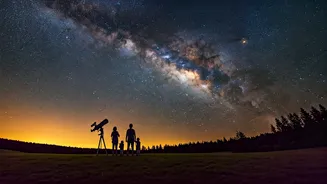
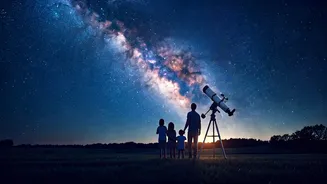
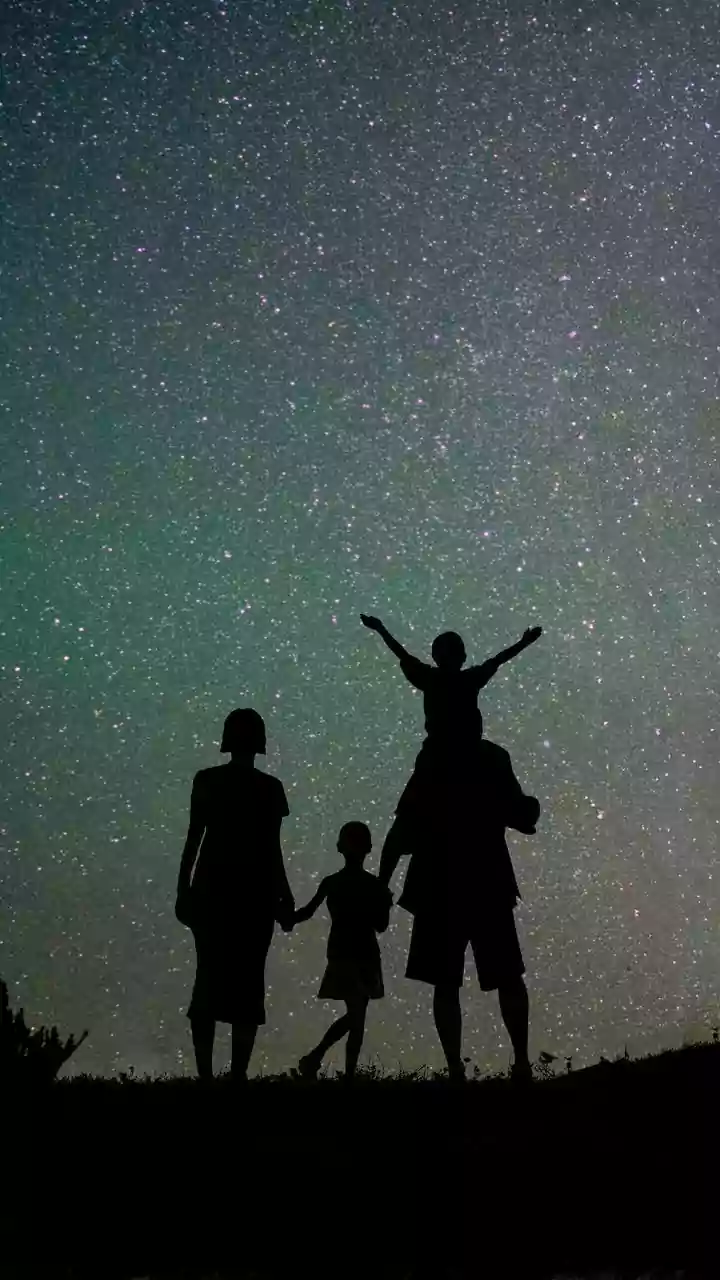
The appeal isn't just academic; it's primal. Staring at the moon, tracking a planet, or waiting for a meteor shower offers a powerful antidote to the curated perfection of social media and the frantic pace of modern life. It’s an activity that requires patience, rewards curiosity, and puts everyday worries into cosmic perspective. This isn't about becoming professional astronomers. It's about reclaiming a sense of wonder together, sharing a quiet moment in the backyard while learning about constellations, or planning a road trip to a dark-sky park. For many, it has become the new family game night—one played out on an infinitely large board.
The New Toolkit for Stargazers
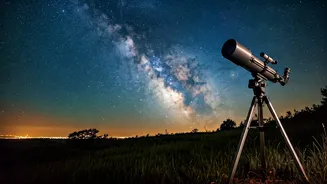
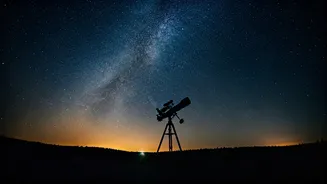
This boom in amateur astronomy isn't happening in a vacuum. It’s powered by a wave of accessible technology that has dramatically lowered the barrier to entry. Just a decade ago, identifying a star required charts and a steep learning curve. Today, a smartphone is a pocket planetarium. Apps like SkyView, Star Walk, and Night Sky use augmented reality to overlay constellations, planets, and satellites onto the live view from your camera. You simply point your phone at a bright dot, and it tells you you're looking at Jupiter. Beyond apps, the market for entry-level telescopes has expanded, offering impressive views of the moon's craters, Saturn's rings, and Jupiter's moons for a few hundred dollars. Furthermore, NASA has invested heavily in public outreach, providing free, high-resolution images from the James Webb and Hubble telescopes, creating educational materials, and live-streaming celestial events, turning cosmic phenomena into global, family-friendly television.
Riding the Celestial Wave
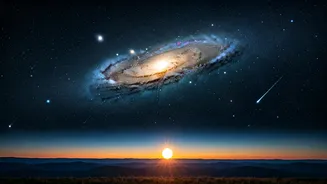
Major celestial events have become powerful gateways, drawing millions of people into the hobby. The 2017 and 2024 total solar eclipses, for instance, were more than just astronomical occurrences; they were national cultural events. Families traveled across state lines, schools developed special curricula, and entire communities gathered in parks and fields, all sharing a collective experience. These moments create a powerful ripple effect. A child who witnesses the sun’s corona with their parents is far more likely to ask what else is up there. A fleeting meteor shower can spark a sustained interest in the asteroid belt. The stunning, high-definition images released from the James Webb Space Telescope don’t just stay in science journals; they become wallpapers and conversation starters, prompting questions about galactic nurseries and the origins of the universe. These events serve as anchors, pulling families back to the sky time and time again.
More Than Just Science
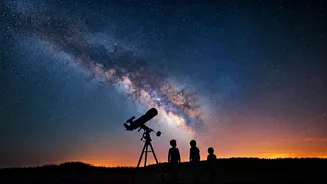
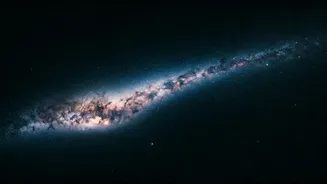
The lessons learned under the stars extend far beyond physics and astronomy. Teaching a child to find Orion's Belt or the Big Dipper is also an exercise in navigation and pattern recognition. The patience required to wait for a meteor shower or focus a telescope builds resilience and delayed gratification. Perhaps most importantly, it offers perspective. Explaining the sheer scale of the galaxy—that the light from a star took thousands of years to reach our eyes—is a profound lesson in humility and time. It connects children to a story that is billions of years old and helps them understand their place within it. This shared learning experience also reshapes family dynamics, positioning parents and children as co-explorers. In this classroom, nobody has all the answers, and the joy comes from the shared process of discovery.