


An Herb of Many Faces
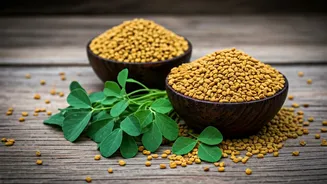
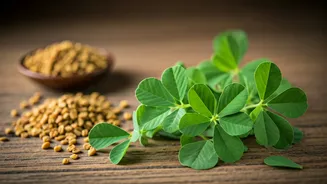
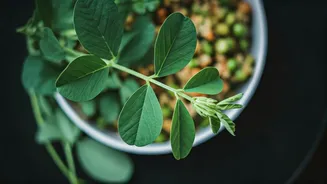
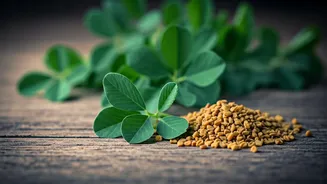
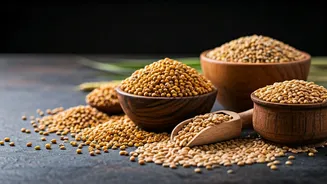
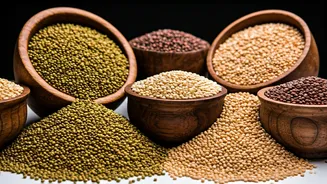
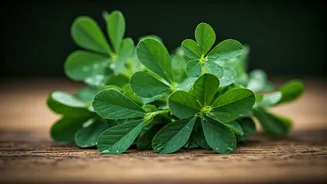
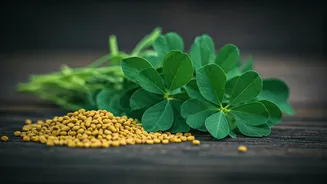
Fenugreek, or Trigonella foenum-graecum, is a versatile plant where nearly every part is used in cooking. While its small, hard, amber-coloured seeds are a common spice, the leaves are where its identity as a fresh herb shines. In India, you'll find it in two
main forms: fresh methi, sold in vibrant green bunches, and dried kasoori methi. Fresh leaves are used as a leafy vegetable, similar to spinach or mustard greens, while kasoori methi is a finishing herb, crumbled into dishes at the end to impart a concentrated aroma. This dual identity makes it a staple, used for both its robust base flavour and its aromatic final touch.
A Uniquely Complex Flavour
The taste of fenugreek leaves is what truly sets them apart. They possess a characteristic bitterness balanced by a nutty, slightly sweet, and earthy profile. When cooked, the aroma takes on a quality often compared to maple syrup, thanks to a compound called sotolone. This complexity allows methi to cut through the richness of creamy curries and balance the sweetness of tomatoes and onions. While the bitterness can be pronounced, it mellows significantly with cooking. Many home cooks also have tricks to reduce it, such as sprinkling the chopped leaves with salt and letting them sit for a few minutes before squeezing out the bitter juices, or blanching them in water with a splash of lemon juice.
From Humble Sabzi to Aromatic Star
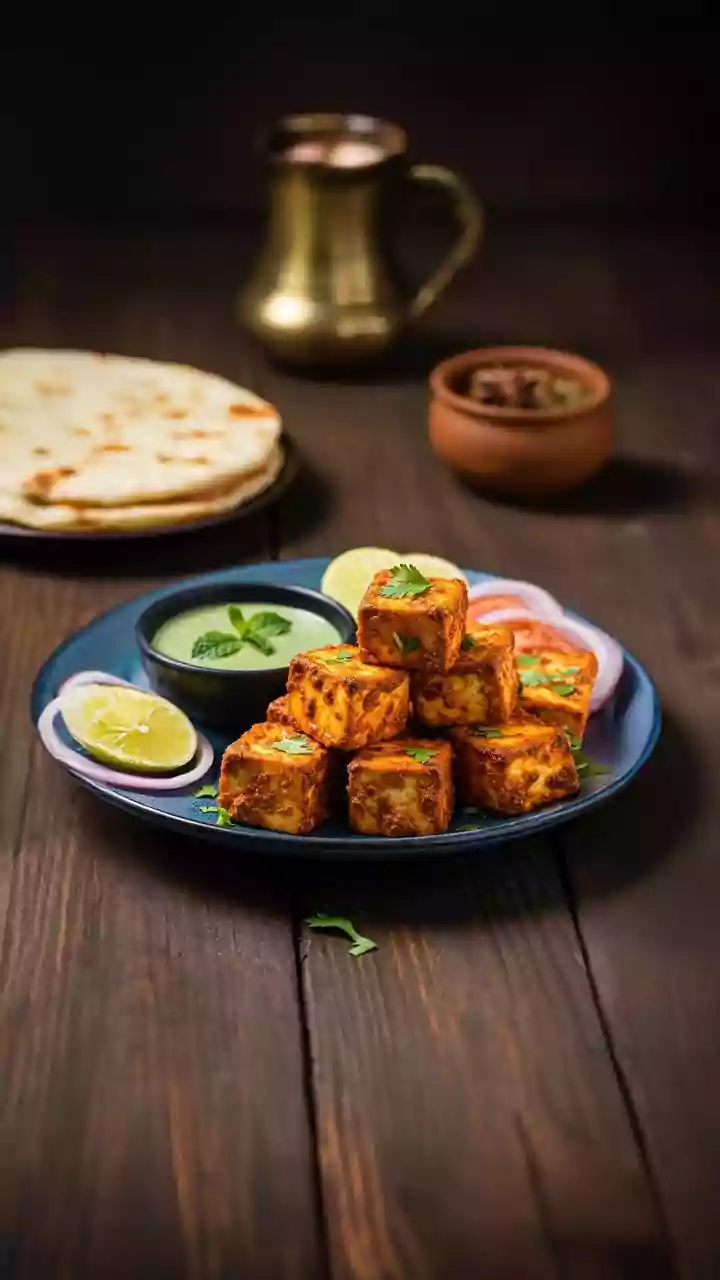
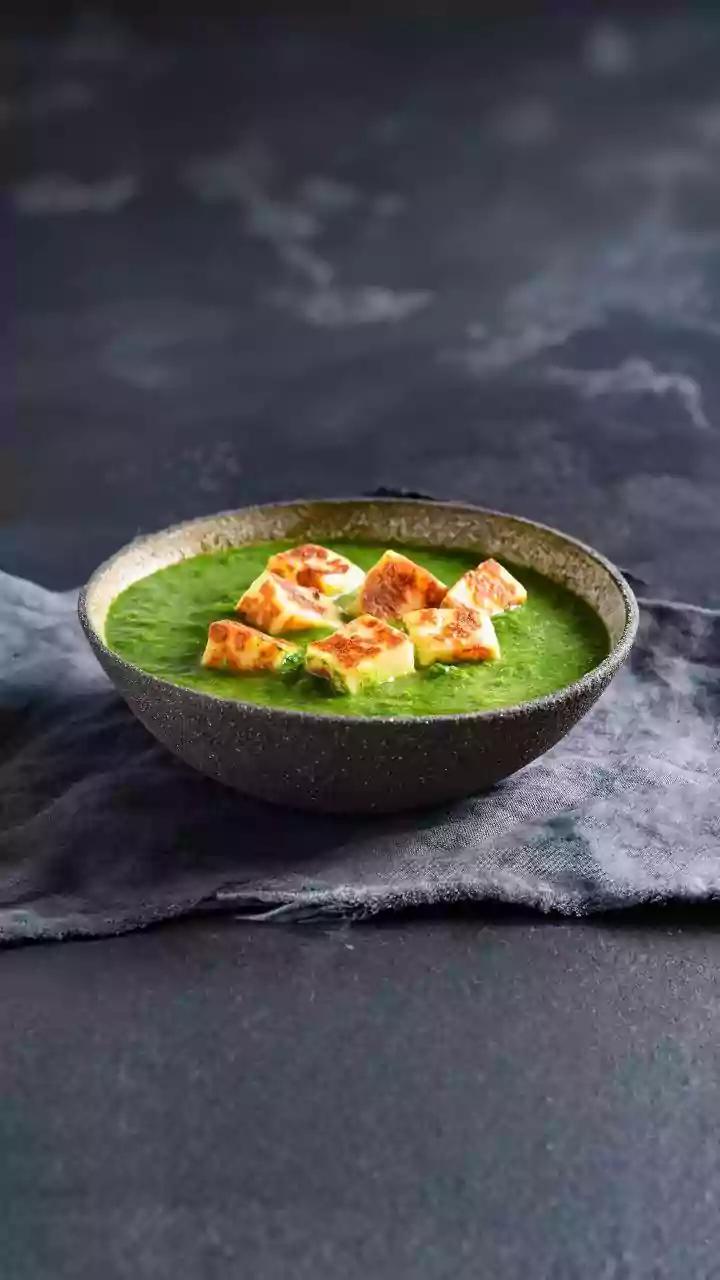
The culinary applications for fenugreek leaves are vast. Fresh methi is the star in classic dishes like Aloo Methi (potatoes with fenugreek) and Methi Thepla, a popular flatbread from Gujarat. It’s also stirred into lentil dishes like methi dal, adding a layer of vegetal depth. Kasoori methi, the dried form, is often considered a secret weapon in restaurant kitchens. Crushed between the palms and sprinkled over dishes like butter chicken, paneer masala, or dal makhani just before serving, it releases an intense, smoky fragrance that elevates the entire dish. It can also be kneaded into the dough for parathas and naan for an infused flavour throughout the bread.
More Than Just Flavour
Beyond its culinary prowess, methi is packed with nutrients. The leaves are a good source of dietary fibre, protein, iron, calcium, and vitamins A, C, and K. In traditional medicine, fenugreek has been used for centuries for its potential health benefits, including aiding digestion, managing blood sugar levels, and reducing inflammation. The high fibre content can help with constipation and promote gut health. Its antioxidant properties, from compounds like Vitamin C, help combat oxidative stress in the body. Fenugreek has also been traditionally used to promote skin and hair health, often used in homemade pastes and oils.
Bringing Methi Into Your Kitchen
Using fenugreek is simple. When buying fresh methi, look for vibrant, green bunches without any yellowing or wilting. The stems can be tough, so it’s best to pluck the leaves, although tender stems can also be used. A thorough wash is essential to remove any grit. To prep, some cooks recommend salting the leaves to draw out bitterness. For kasoori methi, storing it in an airtight container away from light will preserve its potent aroma. To get the most out of it, dry roast the leaves lightly in a pan for a few seconds and then crush them with your fingers as you add them to a dish. This simple step awakens the essential oils and releases its full, fragrant potential.