



More Than Just a Bad Smell
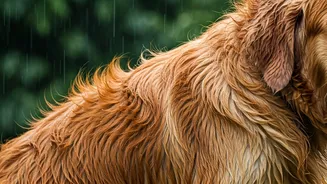
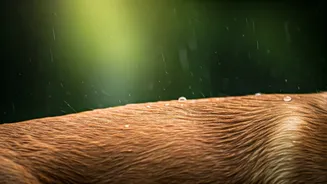
That distinct, musty odour from your dog's damp coat isn't just an inconvenience; it's a red flag. When a dog's fur remains wet for extended periods, especially the dense undercoat, it creates a warm, humid microenvironment against the skin. [13] This
is the perfect breeding ground for bacteria and fungi, like yeast, which are naturally present on your dog’s skin but multiply uncontrollably in these conditions. [2, 8] High humidity during the Indian monsoon means moisture doesn't evaporate quickly, trapping it in the fur and skin folds after a walk in the rain or a playful splash in a puddle. [2, 5] This constant dampness can lead to significant discomfort and serious skin problems. [3]
The Itch You Can't Ignore: Common Infections
A damp coat is a primary trigger for several painful skin conditions. One of the most common is acute moist dermatitis, or 'hot spots'. These are red, inflamed, and often oozing patches of skin that can appear suddenly and expand rapidly as your dog licks and scratches the irritated area. [13] Fungal and yeast infections are also rampant during the monsoon. [8] Look for symptoms like excessive scratching and licking, greasy skin, hair loss, and scaly or crusty patches, particularly between the toes, in the armpits, and around the ears. [2, 3] Breeds with floppy ears or skin folds, like Pugs and Bulldogs, are especially vulnerable. [16] That 'cheesy' smell is often a tell-tale sign of a yeast infection. [2]
From Paws to Tummy Troubles
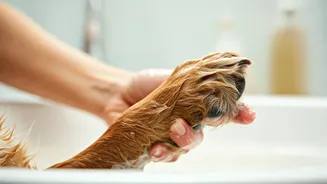
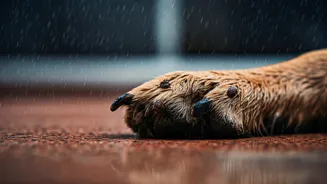
The issues aren't confined to the coat. Your dog's paws are on the front line, constantly in contact with wet, muddy, and potentially contaminated surfaces. [4] Moisture trapped between the paw pads can lead to painful inflammation and infections, a condition known as pododermatitis. [12] Furthermore, stagnant water and puddles can be a cocktail of harmful bacteria, parasites, and toxins. [9, 17] Allowing your pet to drink from these sources can cause serious gastrointestinal issues like vomiting and diarrhoea, and poses a risk for dangerous diseases like Leptospirosis and Giardia. [9, 17]
Your Monsoon-Proofing Toolkit
Prevention is always better than cure, and a few consistent habits can keep your pet safe and comfortable. The most critical rule is to dry your dog thoroughly after every single walk or exposure to rain. [3, 8] Use an absorbent towel, paying special attention to the belly, paws, armpits, and ears. [4] For dogs with thick coats, a hairdryer on a low, cool setting can be invaluable for ensuring the undercoat is completely dry. [3, 13] Regularly brush their coat to prevent matting and improve air circulation. [4] After walks, always clean and dry their paws. [4, 12] Consider using a vet-recommended antifungal powder in high-risk areas. [8] Finally, always provide fresh, clean drinking water to discourage them from sipping from puddles. [9, 12]
When to Call the Vet
While good home care can prevent many issues, it's vital to know when to seek professional help. If you notice persistent scratching, redness, hair loss, a foul odour that doesn't go away, or any open sores, it's time to visit the veterinarian. [8] These can be signs of an infection that requires medicated shampoos, topical treatments, or other medication to resolve. [2] Veterinary clinics in India often see a significant spike in visits for skin-related issues during the monsoon, so acting early can prevent a minor irritation from becoming a major problem. [7] Don't delay if your pet seems lethargic or shows signs of gastrointestinal distress after being out in the rain. [14]