





The Peril of a Single Home
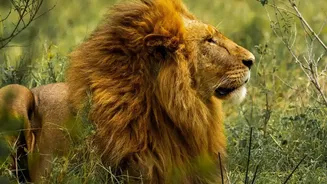
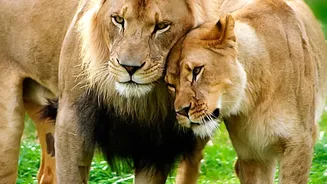
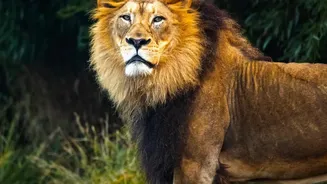
India's Asiatic lion population has made a remarkable comeback, growing to nearly 900 individuals by 2025. However, this entire population has been concentrated in and around the Gir landscape. Conservation experts have long warned this is a high-stakes
gamble. A single catastrophic event, like a disease outbreak or a natural disaster, could devastate the species. This risk became alarmingly clear in 2018 when a Canine Distemper Virus outbreak killed dozens of lions in a matter of weeks, highlighting the urgent need for a geographically separate, secondary population.
Why Barda Was Chosen
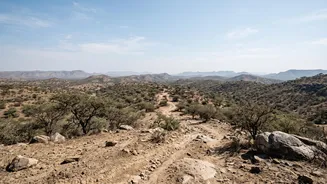
Located about 100 kilometres from Gir, the Barda Wildlife Sanctuary was identified as a promising second home for lions under the central government's 'Project Lion'. The sanctuary, covering roughly 192 square kilometres in the Porbandar and Devbhumi Dwarka districts, was a historical habitat for lions until they vanished from the area around 1879. Its rugged terrain, forests, and grasslands are similar to the Gir landscape, making it an ideal candidate. The process of lions returning to Barda began with a natural dispersal event in January 2023, when a male lion walked into the sanctuary on its own. The Gujarat Forest Department then augmented this by introducing five females, kickstarting a new breeding population.
Preparing a New Home
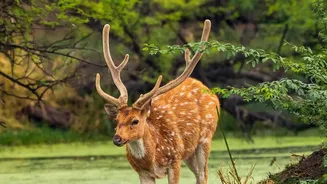
Making Barda ready for lions has been a multi-pronged effort. A critical first step was boosting the prey population. Early surveys revealed a low prey base, which would have forced lions to hunt livestock and increase conflict with humans. To solve this, the forest department has translocated hundreds of herbivores like chital (spotted deer) and sambar from Gir to Barda. Efforts are also underway to improve the habitat through grassland development and the removal of invasive species. Furthermore, the government has announced a voluntary relocation scheme, offering financial packages to the semi-nomadic 'maldhari' pastoralist families living inside the sanctuary to move outside, which helps reduce human-wildlife conflict and biotic pressure on the forest.
A New Pride Takes Root
The efforts are already showing promising results. As of late 2026, a small but growing population of 17 lions, including adults and cubs, has been recorded in Barda. A scientific study published in the journal PLOS One confirmed that the lions are adapting well. Researchers radio-collared six lions and tracked their movements, finding that they have established home ranges and are successfully using the sanctuary's forests and grasslands. The study noted that their diet primarily consists of wild prey like wild pigs, supplemented by some livestock, reinforcing the importance of continuing to build up the wild herbivore population.
The Challenges Ahead
Establishing a self-sustaining lion population in Barda is a long-term project with hurdles to overcome. One of the main challenges is ensuring the prey base is robust enough to support a larger number of lions and minimise their reliance on domestic cattle. Managing human-lion interactions in the landscape surrounding the sanctuary will be crucial to foster coexistence and prevent conflict. Though Barda is seen as a second home, some experts note its close proximity to Gir means it may not be completely immune to the same disease outbreaks. Despite these challenges, the project represents a significant and necessary step to secure the future of the Asiatic lion, moving from simply saving the species to ensuring its long-term resilience.