








The Royal Heart of Marwar: Jodhpur
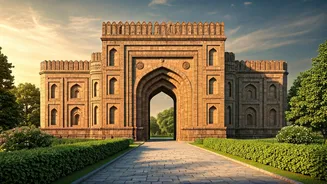
Jodhpur isn’t just a city; it’s an epic saga written in sandstone and spice. The experience begins and ends with Mehrangarh, a fort that doesn’t just sit on a hill but rises out of it like a natural extension of the rock. Its sheer scale is designed to intimidate,
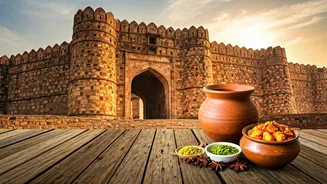
but inside, you find delicate latticework, sprawling courtyards, and rooms that whisper tales of Rathore kings, their queens, and their fierce sense of honour. Walking through its gates, you’re not just a tourist; you’re stepping into a centuries-old drama. That drama is best tasted in the food of Marwar. This is warrior cuisine, shaped by a harsh desert landscape. Dishes like the fiery Laal Maas (mutton in a searing red chilli curry) were not just for pleasure but were meals fit for returning soldiers. Yet, there’s also the ingenuity of Ker Sangri, a tangy dish made from desert beans and berries that could be sourced even in times of scarcity. Every meal tells a story of survival, royalty, and the arid land. The story connecting them all? It’s the legend of Rao Jodha, who, advised by a hermit, founded the fort on this specific hill, forever linking the destiny of his people to this imposing rock and the flavours born from its surroundings.
The Grace and Ghosts of Awadh: Lucknow
While not a classic fortress city, Lucknow’s soul is defined by its historical strongholds and the refined culture they birthed. The British Residency stands as a powerful testament to this. Its cannon-scarred walls tell the harrowing story of the 1857 Siege of Lucknow, a pivotal moment in India's struggle for freedom. Walking through the ruins, you can almost hear the echoes of battle. It’s a place of sombre reflection, a story of incredible resilience from both sides. But Lucknow’s stories aren’t all of conflict. They are also of unparalleled luxury, a narrative best understood through its food. The Nawabs of Awadh were patrons of the finest things in life, and their kitchens were culinary laboratories. This is where the legendary Galouti Kebab was invented for an ageing, toothless Nawab who missed his meat—so tender it dissolves on the tongue. Awadhi Biryani, with its delicate fragrance and subtle spices cooked in the dum pukht style, is a poem in itself. This is not just food; it's 'tehzeeb' (etiquette and grace) on a plate. The stories of flamboyant Nawabs, witty poets, and courtly intrigue are served with every kebab, creating a getaway steeped in a culture of refined elegance and poignant history.
The Echoing Secrets of the Deccan: Hyderabad
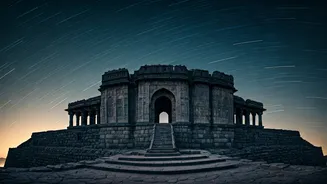
Hyderabad’s story is one of diamonds, dynasties, and delicious indulgence. At its heart lies the magnificent Golconda Fort, a citadel so masterfully engineered that a clap at the entrance gate can be heard at the highest point, a kilometre away. This acoustic marvel served as an early warning system, but today it feels like magic. The fort was the capital of the Qutb Shahi dynasty and the epicentre of the world’s diamond trade—the famed Koh-i-Noor was once stored here. Its imposing stone walls and crumbling palaces hold stories of immense wealth and eventual downfall. This legacy of opulence is perfectly captured in Hyderabadi cuisine, a glorious fusion of Mughlai, Telugu, and Turkish influences. The iconic Hyderabadi Biryani is a meal for kings, with fragrant basmati rice and tender meat slow-cooked together until each grain is infused with flavour. Dishes like Haleem, a rich, slow-cooked porridge of meat, lentils, and wheat, are a testament to the city’s ability to create culinary masterpieces that require patience and skill. The story tying it all together is one of a melting pot. The fort brought people from all over the world, and the city’s kitchens absorbed their influences, creating a unique culinary identity that makes a trip to Hyderabad a journey through layers of history and taste.