






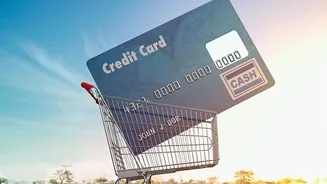
Understanding the BNPL Appeal
Buy Now, Pay Later is a form of short-term credit that lets you purchase items immediately and pay for them later, usually in interest-free instalments. It’s incredibly popular, especially among young, online shoppers, because it offers instant gratification
without the need for a credit card or a lengthy loan application. The process is seamless: you sign up on a BNPL platform, complete a quick KYC verification, and get an instant credit limit to use at checkout. However, it's crucial to remember that BNPL is a loan, and every transaction is a new credit obligation.
The Hidden Debt Traps
The ease of BNPL can lead to several financial pitfalls. The biggest risk is overspending on non-essential items, driven by the psychological trick of deferred payment. Many users juggle multiple BNPL accounts, making it difficult to track due dates and total outstanding amounts. Missing a payment, even by a day, can result in steep late fees and high interest charges, sometimes as high as 30-40% annually. Furthermore, under Reserve Bank of India (RBI) guidelines, these transactions must be reported to credit bureaus like CIBIL. A missed payment can negatively impact your credit score, making it harder to secure loans for a car or home in the future.
Guideline 1: Create a Strict Festive Budget
Before you even start shopping, create a realistic budget. List all your essential expenses, existing EMIs, and savings goals. Then, allocate a specific, non-negotiable amount for festive spending. Your total EMIs, including any new BNPL plans, should ideally not exceed 30% of your net monthly income. A clear budget acts as your financial guardrail, preventing impulse buys and ensuring you don't commit to payments you can't afford. Treat BNPL as a payment method, not as extra money.
Guideline 2: Read the Fine Print
Every BNPL service has different terms and conditions. Before you click 'confirm,' take a moment to read the Key Fact Statement (KFS), which is a mandatory disclosure under RBI rules. Look for hidden processing fees, late payment penalties, and the interest rate that applies if you miss the interest-free period. Understanding these details prevents unpleasant surprises and helps you compare the true cost of using different services. Don't be swayed by 'zero-cost' marketing alone; the real cost is in the penalties.
Guideline 3: Limit Your BNPL Accounts
It can be tempting to sign up for every BNPL option available, but this often leads to confusion and missed payments. Juggling different due dates and repayment cycles across multiple apps increases your risk of default. Lenders may also view having numerous small, active loans as a sign of financial distress. Stick to one or two BNPL services that you trust and are familiar with. This makes it much easier to track your total debt and manage your payments effectively.
Guideline 4: Track Payments and Automate
Responsible BNPL usage hinges on timely repayments. Keep a record of all your purchases, the due dates, and the instalment amounts. Set reminders on your phone or calendar a few days before each payment is due. An even better strategy is to set up auto-debit for your payments through an e-mandate. This ensures you never miss a due date, helping you avoid late fees and build a positive credit history. However, always ensure your linked bank account has sufficient funds to avoid debit failures.
Guideline 5: Practice Mindful Spending
The ultimate way to avoid a debt trap is to control impulse buying. Before making a purchase with BNPL, ask yourself if it's a 'need' or a 'want'. Is it in your budget? Can you afford the repayments without straining your finances? A good rule of thumb is to wait 24 hours before buying a non-essential item. This cooling-off period helps you separate genuine needs from fleeting desires fueled by aggressive marketing. Remember, no festive deal is worth months of financial stress.