







A New Trail for Feathered Wonders
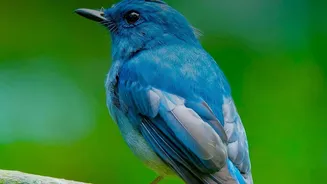
The 'Rainforest Birding Trail' is a recent initiative by the Andaman & Nicobar administration, organised in collaboration with the Department of Environment & Forests. Located in the Biological Park at Chidiyatapu, a well-known birding hotspot in South
Andaman, the trail is designed to promote eco-tourism and raise awareness about the islands' rich biodiversity. Guided walks led by experts offer participants a chance to delve into the rainforest ecosystem and spot some of the 240-plus bird species that call these islands home. Birdwatchers can look forward to glimpses of endemic species like the Andaman Woodpecker, Andaman Serpent-eagle, Andaman Drongo, and White-headed Starling, which are often found in the forests around Port Blair. Famous birding sites in South Andaman like Chidiyatapu, Mount Harriet National Park, and Sippighat have long been treasures, and this new organised trail provides a focused opportunity to appreciate them.
Why Your Footprint Matters
The excitement of a new trail in such a pristine environment comes with a significant responsibility. The Andaman Islands are a fragile ecosystem, and the rise in nature-based travel makes it crucial for visitors to practice low-impact tourism. This isn’t about restricting enjoyment; it's about enhancing it by ensuring the wildlife and its habitat remain undisturbed for generations to come. Every visitor's actions, however small, contribute to the preservation of this natural paradise. The goal is to leave places like the new birding trail as beautiful as you found them, ensuring that the birds you came to see continue to thrive. Responsible travel protects the very beauty that draws us to these destinations in the first place.
The Birdwatcher's Code of Conduct
Being a responsible birder is simple. The core principle is to put the welfare of the birds first. This means observing from a distance that doesn't cause them stress; a good pair of binoculars is your best tool, not your feet. If a bird appears anxious, stops feeding, or starts making alarm calls, you are too close. Never use flash photography, as the bright light can disorient and scare birds, sometimes causing them to abandon a nest. Using audio playback to lure birds is a controversial practice; if used at all, it should be done sparingly and never in a way that causes distress to the birds. Staying on marked trails is essential to avoid trampling unseen ground nests or disturbing delicate vegetation. The mantra is simple: observe, don't disturb.
Beyond the Trail: Island-Wide Etiquette
Low-impact etiquette extends beyond the birding trail to your entire trip. The Andamans face a significant challenge with plastic pollution. Travellers can make a huge difference by carrying reusable water bottles and cloth bags, and by refusing single-use plastics. Supporting the local economy is another pillar of sustainable tourism. Opt for locally-owned hotels, eat at local restaurants, and purchase handicrafts from local artisans to ensure your tourism money benefits the community directly. It is also vital to respect local rules and culture, which includes not entering protected tribal areas and never picking up corals or shells from the beaches, as they are part of the fragile ecosystem.
Your Responsible Traveller Checklist
To ensure your visit is both memorable and minimal in its impact, a little preparation goes a long way. Pack light, but pack smart with essentials like light cotton clothing, a wide-brimmed hat, reef-safe sunscreen, and insect repellent. Of course, for this trip, binoculars are a must. Before booking tours, ask operators about their eco-friendly practices. Carry enough cash, as ATM access can be limited on smaller islands. Finally, embrace the chance for a digital detox; network connectivity can be sparse, offering a perfect opportunity to disconnect from your screen and connect with the incredible nature all around you.