



Start with the Origin Story
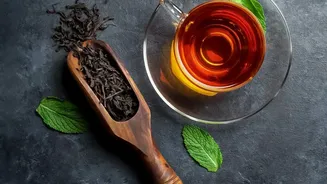
Where a tea is grown has a massive impact on its flavour profile. India is home to some of the world's most famous tea-growing regions, each offering a unique taste experience. Assam, from the lowlands of northeastern India, produces bold, malty, and robust
black teas that are full-bodied and often have hints of spice or honey. These are the strong teas that form the base of many masala chais and are perfect with milk and sugar. In contrast, Darjeeling tea, grown in the Himalayan foothills, is known as the "champagne of teas." It is much lighter, more delicate, and has floral or fruity notes. It’s typically enjoyed without milk. From the south, Nilgiri teas, grown in the Blue Mountains, are fragrant, smooth, and refreshing, with citrus or floral undertones, making them excellent for iced tea. Understanding these regional characteristics is the first step to finding a tea you’ll love.
Decode the Ingredients
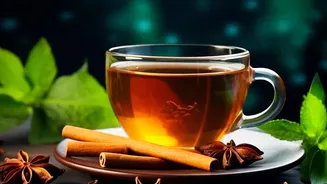
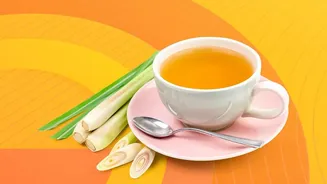
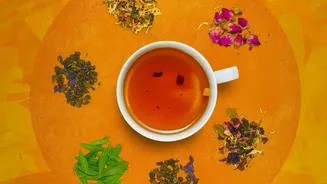
Beyond the tea leaf itself, the ingredients added to a blend define its character. These are known as inclusions and can range from spices and herbs to fruits and flowers. The most iconic Indian example is Masala Chai, a blend of black tea with spices like cardamom, ginger, cinnamon, and cloves. Many specialty teas feature floral elements like rose, jasmine, or lavender, which add a delicate aroma and flavour. Fruity teas might include dried apple, pineapple, or blueberries, offering a natural sweetness. Herbal infusions, or tisanes, don't contain any leaves from the tea plant (Camellia sinensis) at all. Instead, they are made from ingredients like peppermint, chamomile, ginger, or tulsi. When choosing a blend, look at the ingredients list to understand the intended flavour profile—whether it’s spicy, floral, fruity, or purely herbal.
Consider Your Caffeine Needs
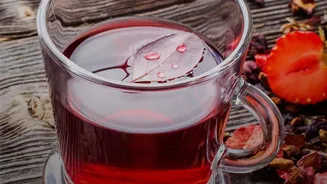
Caffeine content is a crucial factor for many tea drinkers, influencing whether a tea is a morning energizer or an evening soother. As a general rule, the level of processing affects caffeine. Black tea, being fully oxidized, typically has the highest caffeine content, ranging from about 40 to 70 milligrams per cup. Oolong and green teas fall in the middle, with green tea containing around 20 to 45 milligrams. White tea, made from young leaves and buds, generally has the least caffeine among true teas, often between 15 and 40 milligrams. It's important to remember these are ranges, as factors like brewing time and water temperature can also affect how much caffeine is extracted. For a completely caffeine-free option, herbal teas (tisanes) like chamomile, peppermint, and hibiscus are the ideal choice as they naturally contain no caffeine.
Putting It All Together
Now you have a framework to guide your shopping. Think about what you want from your cup. Do you need a strong, bold brew to kickstart your morning? An Assam black tea might be perfect. Are you looking for a sophisticated, nuanced flavour for a quiet afternoon? A single-origin Darjeeling could be the answer. If you want to unwind in the evening, a caffeine-free herbal blend with chamomile or lavender is a great option. For something warming and comforting, a masala chai with its blend of aromatic spices is a classic choice. By considering origin for the base flavour, ingredients for the specific character, and caffeine for the desired effect, you can move from being an overwhelmed shopper to a confident tea explorer, ready to discover your next favourite blend.