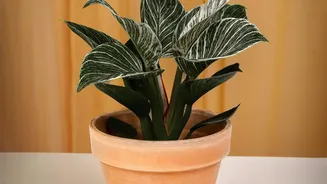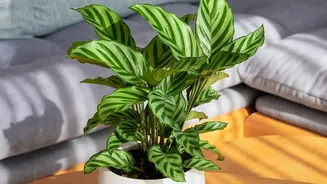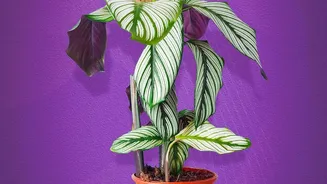


The Green Myth's Origin
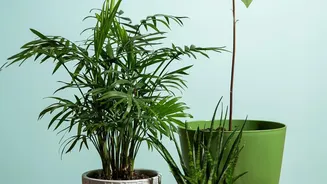
The popular belief that houseplants are tiny green air filters largely stems from a famous 1989 NASA study. Tasked with finding ways to clean the air in sealed environments like space stations, researchers found that, yes, certain common houseplants could
remove volatile organic compounds (VOCs) like benzene and formaldehyde from small, sealed chambers. The study was groundbreaking for its time and the results were compelling. Media reports and subsequent articles popularised the idea, suggesting that adding a plant for every 100 square feet of space could significantly improve a home's air quality. This advice was simple, aesthetically pleasing, and quickly took root in popular culture.
A Dose of Real-World Reality
The problem, as more recent research has pointed out, is that our homes are nothing like the sealed chambers used in the NASA experiments. A 2019 review of decades of research on the topic highlighted a critical variable that the original studies didn't account for in a real-world setting: air exchange. Your home or office is constantly exchanging air with the outdoors through windows, doors, cracks, and ventilation systems. This natural ventilation process dilutes and removes pollutants at a rate far faster than a few potted plants ever could. The early studies involved placing plants in tiny sealed containers with a high concentration of a single pollutant, then measuring the decline over many hours. This isn't how pollution works in our homes, where emissions from cooking, cleaning products, and furniture can be continuous.
The Numbers Don't Add Up
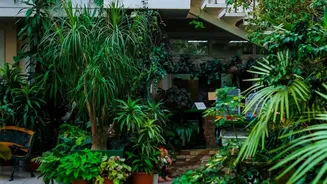
When scientists crunched the numbers to figure out how many plants would be needed to make a genuine impact, the results were staggering. To compete with a building's standard air exchange rate, you would need an almost impossible density of foliage. Different analyses have produced slightly different figures, but they all point to the same conclusion. Estimates suggest you would need anywhere from 10 to 1,000 plants per square metre of floor space to achieve meaningful air purification. That means a typical 1,500-square-foot home might require nearly 700 plants to replicate the air-cleaning effects seen in lab studies. For most people, turning their living room into a dense, impassable jungle isn't a practical solution.
So, Should You Ditch Your Plants?
Absolutely not. While their air-purifying abilities may have been overstated, the benefits of having plants indoors are still very real. Numerous studies have shown that being around plants can reduce stress, boost mood, and increase feelings of well-being. They can improve focus and productivity in a workspace and add a vital connection to nature in our increasingly urban lives. Some studies also suggest they can help regulate indoor humidity. The beauty and life they bring to a space are valuable in their own right. The key is to love your plants for what they are—living decor that makes you feel good—rather than what they are not—high-performance air purifiers.
What Actually Cleans Indoor Air
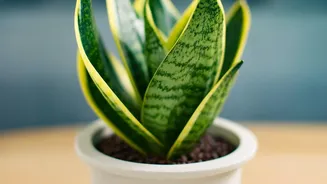
If you're serious about improving your home's air quality, there are far more effective strategies than buying another snake plant. The most powerful tool is ventilation. Simply opening your windows for a short period each day can dramatically reduce indoor pollutant levels. Using exhaust fans in kitchens and bathrooms is also crucial for removing moisture and contaminants at the source. The second line of defence is filtration. A good quality mechanical air purifier with a HEPA filter is designed specifically to capture airborne particles and is hundreds of times more effective than a plant. Finally, focus on source control. Choose low-VOC paints and furnishings, avoid synthetic air fresheners, and ensure your home is clean and dry to prevent mould growth. These actions will have a much more significant and measurable impact on the air you breathe.