


The Pressure of Performance
The life of a teenager is filled with challenges, from academic pressures and social navigation to the constant hum of social media. During exam periods, this stress can intensify significantly. High levels of stress don't just feel bad; they can actively
hinder performance. When the body enters a stress response, heart rate can rise and the brain's capacity for working memory can shrink, making it harder to recall information and think clearly under pressure. Many students who have thoroughly prepared can underperform simply because of exam anxiety. This highlights the urgent need for tools that help manage stress proactively, not just for wellbeing, but for academic success.
How Mindful Yoga Helps
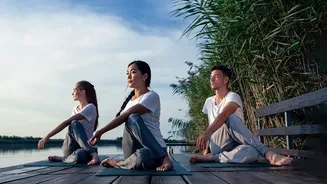
Yoga and mindfulness are powerful allies against stress. The practice combines gentle physical movement with controlled breathing, which directly targets the body's physiological stress response. It helps activate the parasympathetic nervous system, which is the body's 'rest and digest' mode, calming the nerves and lowering levels of the stress hormone cortisol. This leads to decreased anxiety, better sleep quality, and a greater ability to maintain attention during study sessions. Research shows that regular practice can improve cognitive functions like memory and focus, creating a settled mind that is more effective at learning and retaining information.
Creating a Welcoming Space
The key to introducing yoga is to keep it simple, accessible, and free of pressure. You don’t need a special studio or expensive gear. A quiet corner of a room and a comfortable surface are enough. For teenagers, it’s important that the experience feels like self-care, not another chore. Frame it as a 'study break' or a way to 'reset your brain'. The goal isn’t perfect poses but learning to connect with the breath and listen to the body. Encourage them to notice how they feel before and after, which can build intrinsic motivation to continue the practice.
Five Simple Stretches for Focus
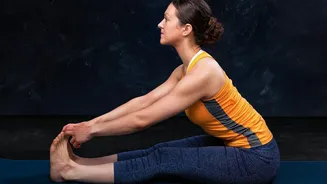
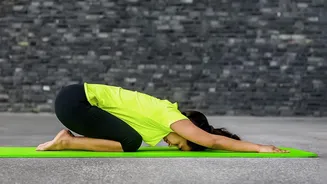
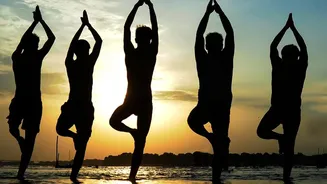
These poses can be done individually or in a sequence as a short break from studying. They require minimal space and are perfect for beginners. 1. Cat-Cow Pose (Marjaryasana-Bitilasana): Start on your hands and knees. As you inhale, drop your belly and look up (Cow). As you exhale, round your spine and tuck your chin (Cat). This pose warms up the spine and helps release tension in the back and shoulders, a common area for stress.2. Seated Forward Bend (Paschimottanasana): Sit on the floor with legs extended. Inhale and lengthen your spine. Exhale and gently fold forward from your hips. This isn't about touching your toes, but about creating a gentle stretch in the hamstrings and back. This pose is known to calm the brain and relieve mild stress.3. Child's Pose (Balasana): Kneel on the floor, sit back on your heels, and fold forward, resting your torso on your thighs and your forehead on the floor. Arms can be stretched forward or rest alongside your body. It is a deeply restful pose that calms the mind and eases tension in the back and neck.4. Tree Pose (Vrksasana): Standing tall, shift your weight to one foot. Place the sole of your other foot on your inner ankle or calf (avoiding the knee). Bring your hands together at your heart. This balancing pose is excellent for improving concentration and grounding your energy.5. Corpse Pose (Savasana): Lie flat on your back with arms and legs slightly spread. Close your eyes and focus on your breath, allowing your entire body to relax. Even five minutes in this pose can profoundly reduce stress and fatigue.
The Power of Breath
You can't always stop to do a yoga pose, but you can always control your breath. A simple and effective technique is 'Box Breathing'. Inhale for a count of four, hold your breath for four, exhale for four, and hold for four. Repeating this cycle for just a minute or two, even while sitting at a desk, can slow a racing heart, calm anxious thoughts, and bring your focus back to the present moment. It's a discreet yet powerful tool that can be used right before an exam or during a challenging study session.