







The Pressure to Do More
The modern skincare enthusiast is often armed with a powerful arsenal of products. From potent vitamin C serums in the morning to retinoids and chemical exfoliants like AHAs and BHAs at night, we are constantly applying active ingredients. The goal is clear:
smoother, brighter, and younger-looking skin. However, this relentless approach can sometimes do more harm than good. Bombarding your skin daily with strong actives can lead to over-exfoliation and irritation, ultimately weakening the skin's natural protective barrier. This is where the concept of a skincare rest day—or the more structured 'skin cycling' trend—comes in, shifting the focus from constant treatment to strategic recovery.
Signs Your Skin Needs a Break
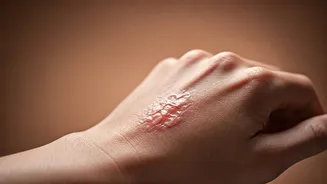
Your skin is excellent at sending signals when it's overwhelmed. A compromised skin barrier is often the first sign that you're overdoing it with active ingredients. Key indicators include a feeling of tightness, even after applying moisturiser, and persistent dryness or flaky patches. You might also notice increased redness, sudden sensitivity, or a stinging or burning sensation when you apply products that previously caused no issues. Paradoxically, over-treating the skin can even lead to more breakouts, as the damaged barrier struggles to protect itself from bacteria and inflammation.
The Science of Skin Recovery
Your skin's outermost layer, the stratum corneum, is its protective barrier. It's designed to keep moisture in and lock irritants, pollutants, and bacteria out. Potent ingredients like retinoids and exfoliating acids work by accelerating cell turnover and dissolving the bonds between dead skin cells. While effective, this process can be stressful for the skin. Overuse can strip the barrier of its essential lipids, leading to what is known as transepidermal water loss, where moisture evaporates from the skin. Rest days give your skin the crucial time it needs to repair this barrier, rebuild its lipid stores, and reduce inflammation, ultimately making your active ingredients more effective in the long run.
How to Take a Skincare Rest Day
Taking a rest day doesn't mean doing absolutely nothing. Instead, it's about simplifying your routine to focus on nourishment and hydration. The most popular method is 'skin cycling,' a concept popularised by dermatologist Dr. Whitney Bowe. A classic skin cycling routine is a four-night schedule: Night 1: Exfoliation. After cleansing, use a chemical exfoliant (like a product with glycolic or salicylic acid). Night 2: Retinoid. On the second night, apply a retinol or other retinoid product. Nights 3 & 4: Recovery. These are your rest nights. Focus solely on cleansing, hydrating, and moisturising. This cycle ensures you get the benefits of your actives while giving your skin two full nights to recover and repair before the next treatment. This framework is flexible and can be adjusted based on your skin's tolerance.
Your Rest Day Toolkit
On recovery nights, the goal is to be gentle and focus on replenishing the skin barrier. Stick to a simple routine of a mild, non-stripping cleanser followed by hydrating and soothing products. Look for ingredients like hyaluronic acid, which draws moisture into the skin, and ceramides, which are lipids that are essential for barrier function. Glycerine, niacinamide, and calming ingredients like aloe vera or green tea extract are also excellent choices. A simple, fragrance-free moisturiser is your best friend on these nights, helping to lock in hydration and support the skin's natural healing processes.