




Comforting, flavourful, and a staple in many Indian homes, saag is more than just a delicious accompaniment to roti or rice. This beloved dish is a nutritional powerhouse, packed with dietary fibre that is essential for a healthy lifestyle.
More Than Just One Dish
First, let's
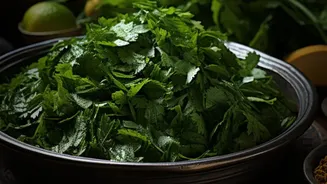
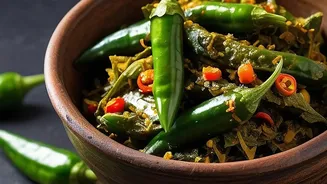
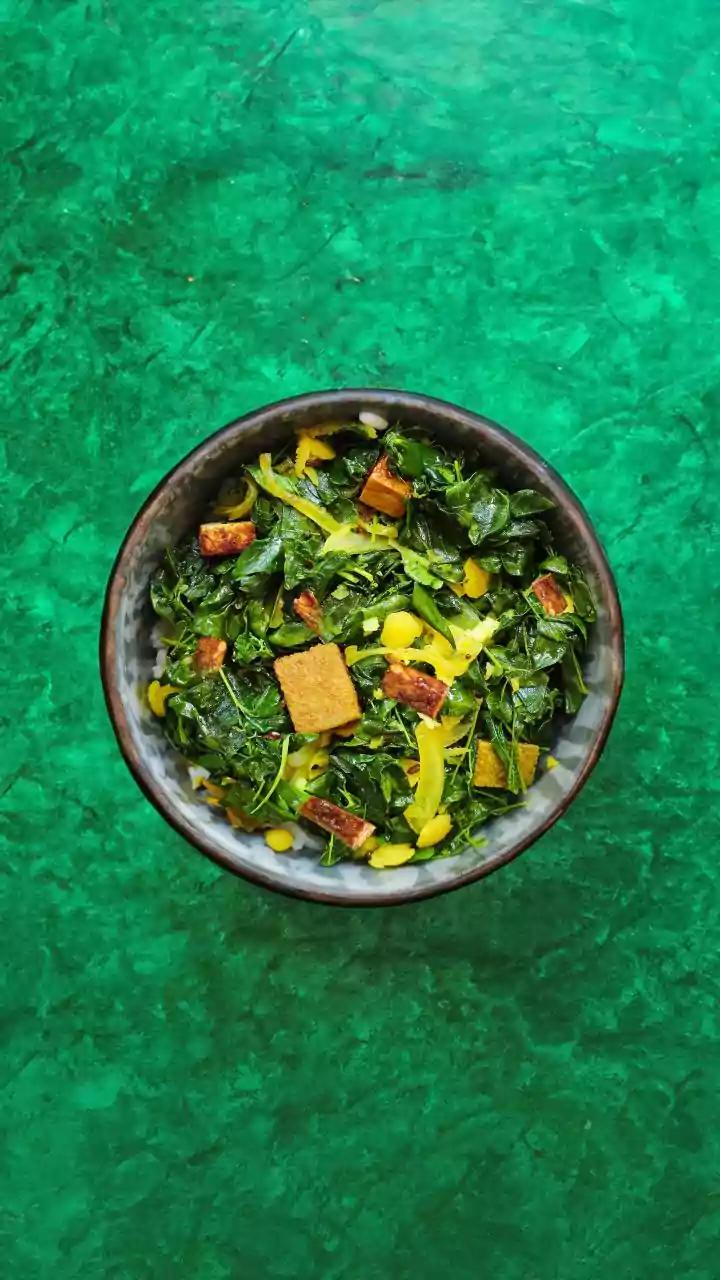
clarify what 'saag' means. The word, derived from the Sanskrit 'shaak', simply refers to leafy green vegetables. While many associate it exclusively with Sarson ka Saag, made from pungent mustard greens, the term actually covers a wide variety of dishes. In India, saag can be made from a single type of green or, more traditionally, a combination of several. Common choices include spinach (palak), fenugreek (methi), and bathua (lamb's quarters), each bringing its own unique texture, flavour, and nutritional benefits to the pot. This variety is key to saag's versatility and its broad nutritional profile.
The Fibre Factor in Greens
Dietary fibre is a type of carbohydrate that the body can't digest. Its role is crucial for maintaining good health. A high-fibre diet aids in regulating the digestive system, preventing constipation and promoting regular bowel movements. It also plays a significant part in managing blood sugar levels by slowing sugar absorption, helps in lowering 'bad' cholesterol, and contributes to a feeling of fullness, which can help with weight management. Green leafy vegetables are one of the best natural sources of this essential nutrient, and saag is an excellent way to consume them.
A Nutritional Breakdown
Different greens offer different levels of fibre and nutrients. A cup of cooked mustard greens (sarson), the star of Punjabi saag, provides around 3 grams of dietary fibre. They are also exceptionally rich in Vitamins K, A, and C. Spinach (palak) is another fibre-rich choice, with about 2.4 grams per 100g, and is packed with folate, potassium, and antioxidants. Fenugreek leaves (methi) are nutritional standouts, offering a significant 4.9 grams of fibre per 100g serving. They are also a good source of iron and calcium. Bathua, a winter green, is celebrated for being high in fibre and essential minerals like iron and calcium, aiding digestion and overall health.
Cooking, Fibre, and Nutrients
A common concern is whether cooking diminishes the nutritional value of greens. While some water_soluble vitamins like Vitamin C can be reduced during cooking, especially with boiling, the dietary fibre content remains largely intact. In fact, the cooking process has its advantages. It breaks down the tough cell walls of the plants, which can make some nutrients easier for the body to absorb. The traditional slow_cooking method used for making saag helps to soften the fibrous leaves, transforming them into a digestible and deeply flavourful dish. Steaming and sautéing are generally better than boiling for preserving heat_sensitive vitamins.
Beyond the Greens
A typical saag recipe involves more than just greens. The aromatic base, often made with onions, garlic, and ginger, adds to the health quotient. Garlic is known for its heart_health benefits, while ginger is a powerful anti_inflammatory agent. The spices used, such as turmeric, cumin, and coriander, also contribute their own antioxidant and digestive properties. When finished with a dollop of ghee, the dish gets a dose of healthy fats that can help in the absorption of fat_soluble vitamins like Vitamin A and K, which are abundant in the greens. This combination makes saag a truly synergistic food where the whole is greater than the sum of its parts.