



1. Your Car Needs a Pre-Monsoon Check-Up
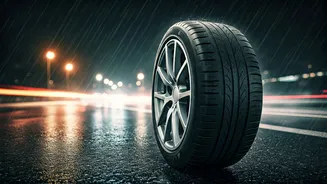
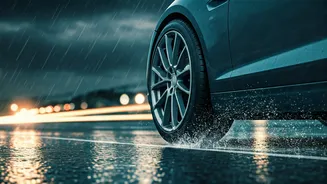
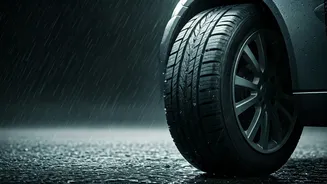
Before the first downpour, your car requires a thorough inspection. Your tyres are the first line of defence. Ensure they have adequate tread depth (at least 3mm is recommended) to channel water away and prevent aquaplaning. Check the tyre pressure regularly,
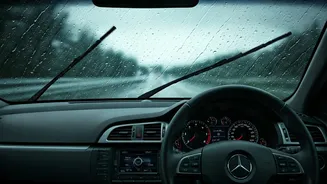
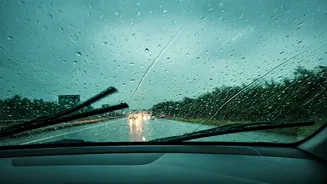
as under-inflated tyres perform poorly on wet surfaces. Next, inspect your windscreen wipers. If they leave streaks or make noise, replace them immediately. A clear view is non-negotiable. Top up your washer fluid. Finally, test all your lights—headlights, tail lights, brake lights, and indicators. They are crucial for being seen by other drivers in low-visibility conditions. A well-prepared car is a safer car.
2. Slow Down and Maintain Distance
This might seem obvious, but it’s the golden rule of monsoon driving. Wet roads significantly reduce tyre grip, which means your braking distance can more than double. Driving at a slower, more deliberate pace gives you more time to react to unexpected hazards, like a pedestrian dashing across the road or a vehicle suddenly braking ahead. As a rule of thumb, increase your following distance from the standard three-second rule to a five or six-second rule. This buffer zone is your biggest safety asset, giving you the space you need to brake gently and avoid a collision if the car in front stops abruptly.
3. See and Be Seen at All Times
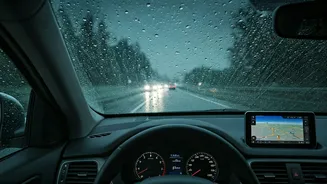
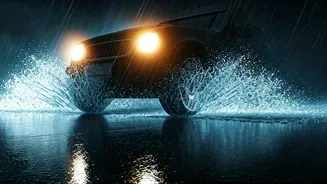
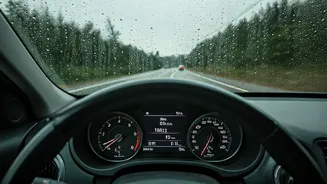
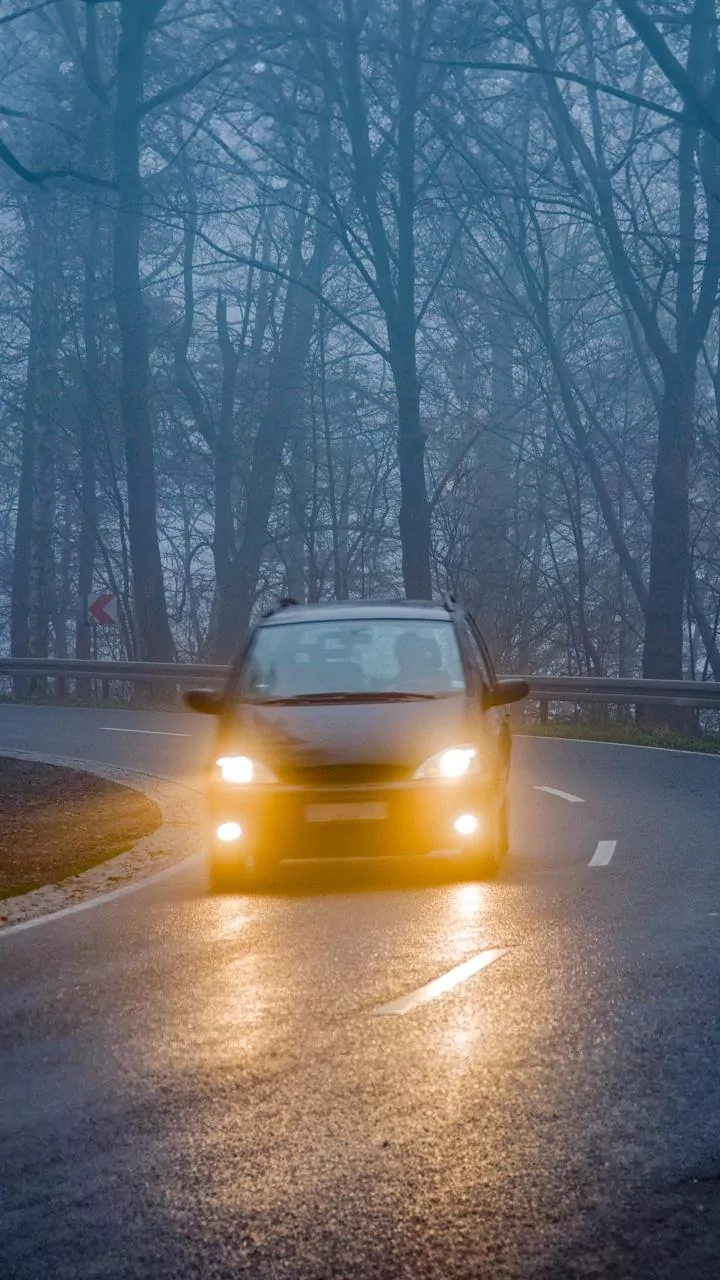
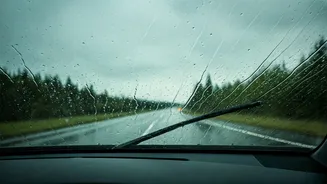
Visibility plummets during a heavy shower. Switch on your low-beam headlights, even during the day. This doesn't just help you see the road better; it makes your vehicle more visible to other drivers and pedestrians. Avoid using high beams, as they reflect off the raindrops and can blind oncoming traffic. Use your car’s demister or air conditioning to prevent the windscreen from fogging up on the inside. Keep your windows and mirrors as clean as possible. If visibility becomes so poor that you can barely see the vehicle ahead, it’s safest to pull over to a secure spot, turn on your hazard lights, and wait for the rain to subside.
4. Beware the Hidden Dangers of Waterlogging
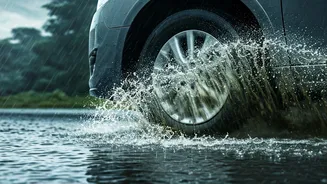
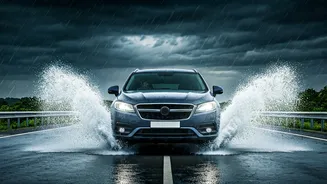
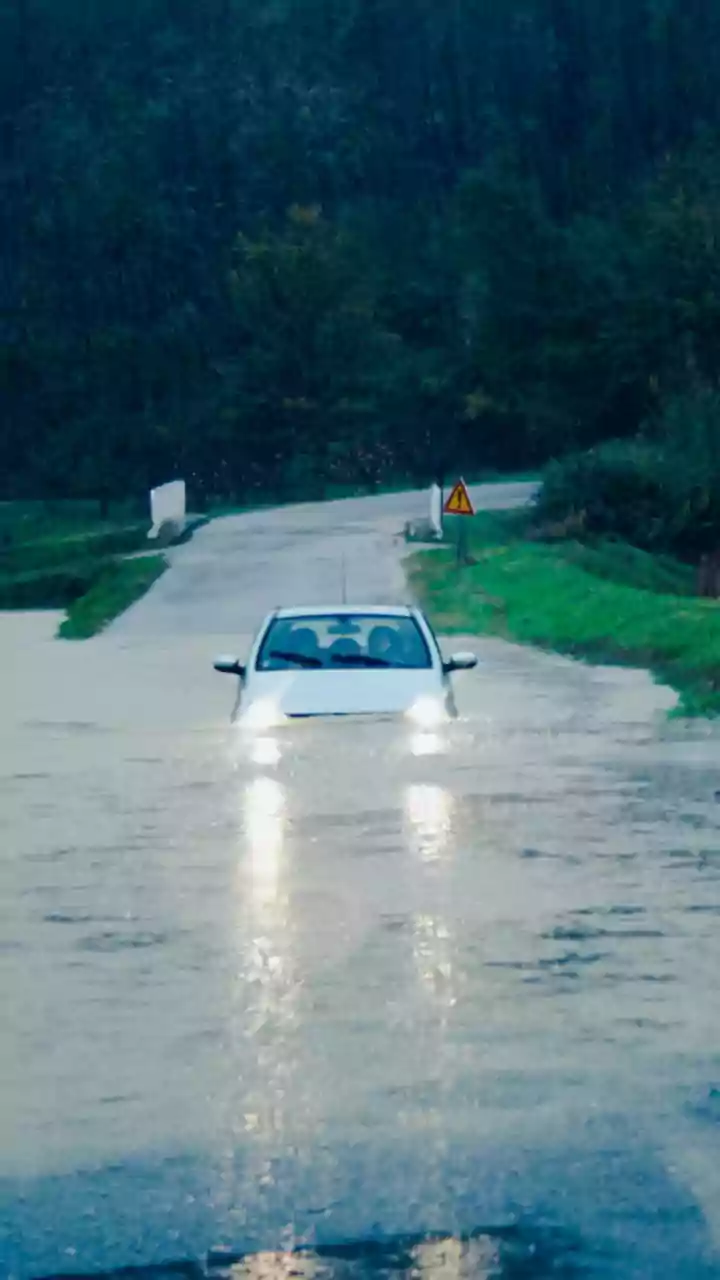
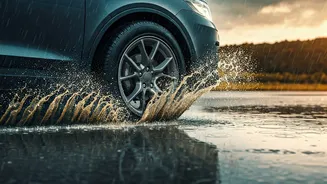
Waterlogged streets are a common menace in India, hiding a multitude of dangers like open manholes, deep potholes, and sharp debris. If you can't gauge the depth of the water, do not attempt to drive through it. Find an alternate route. If you must proceed, watch how other vehicles, especially larger ones, are navigating the stretch. Drive slowly in a low gear (first or second) to keep your engine's RPM high, which helps prevent water from entering the exhaust pipe. Avoid splashing water onto pedestrians and two-wheelers. Most importantly, if your car stalls in water, do not try to restart the engine. This can cause water to be sucked into the engine, leading to catastrophic and expensive damage (a condition known as hydrostatic lock).
5. Avoid Sudden Movements and Aquaplaning
Every input you give your car—steering, braking, and accelerating—should be gentle and smooth. Sudden, jerky movements can easily cause your tyres to lose traction on a wet surface, leading to a skid. If you feel the car starting to aquaplane (a sensation of gliding or lightness in the steering as the tyres lose contact with the road), do not panic or slam on the brakes. Instead, ease your foot off the accelerator and keep the steering wheel straight. Allow the car to slow down naturally until you feel the tyres regain their grip on the road. Braking or sharp steering during an aquaplane will only make the skid worse.
6. Be Extra Cautious of Two-Wheelers and Pedestrians
During the monsoon, car drivers must be hyper-aware of more vulnerable road users. Motorcyclists and scooter riders have much less grip and stability, and they may swerve unexpectedly to avoid puddles or potholes. Pedestrians may be distracted by umbrellas or hurry across streets with their heads down. Give them extra space and anticipate their movements. Remember that a splash from your car can drench and disorient them, creating a dangerous situation. Being a considerate driver is being a safe driver, especially when sharing the road with those who have less protection from the elements.