





The Hidden Dangers of Dampness
Excess moisture is not just about feeling sticky or seeing peeling paint. It creates a breeding ground for mould, mildew, bacteria, and dust mites. These unwelcome guests can trigger a host of health issues, from allergies and skin irritation to more
severe respiratory problems like asthma. Mould spores, invisible to the naked eye, can float in the air and cause symptoms like coughing, wheezing, and a tight chest. Over time, unchecked dampness can also cause significant damage to your home, leading to warped wooden furniture, rusted metal fixtures, and even structural issues.
How to Spot High Humidity
Before you can fix the problem, you need to recognize it. High humidity makes its presence known in several ways. The most obvious sign is condensation on windows, mirrors, and cool surfaces. You might also notice a persistent musty or mildewy odour, especially in poorly ventilated areas like bathrooms and closets. Other signs include water stains on walls or ceilings, peeling or bubbling wallpaper, and a clammy, heavy feeling in the air that makes rooms feel warmer than they are. If your snacks go soggy quickly or your clothes feel slightly damp, high humidity is likely the culprit.
Build a Routine of Dehumidifying Habits
Controlling moisture is about consistent, small actions. Start by improving ventilation, which is the easiest way to let humid air out and fresh air in. Make it a habit to run exhaust fans in the kitchen while cooking and in the bathroom during and after a shower. Taking shorter, cooler showers also reduces the amount of steam released into the air. When cooking, keep lids on your pots and pans to trap steam. Wiping down condensation from windows and sills daily and not leaving wet towels or clothes in a heap can also make a significant difference.
Embrace Natural Moisture Absorbers
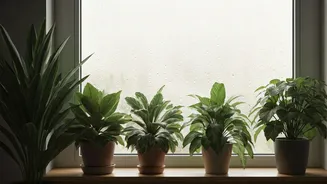
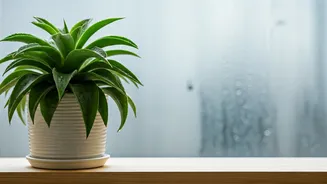
For smaller, enclosed spaces, several natural and affordable materials can help absorb excess moisture. Placing bowls of rock salt or charcoal briquettes in damp areas like cupboards or under sinks can be effective. Baking soda is another excellent option; an open box or a bowl of it can help manage humidity in closets and cabinets. Certain houseplants are also natural dehumidifiers, absorbing moisture through their leaves. Consider adding a peace lily, Boston fern, or parlor palm to your space.
Using a Dehumidifier Strategically
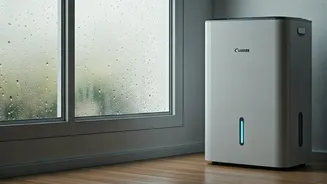
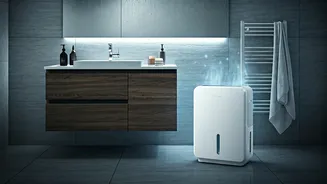
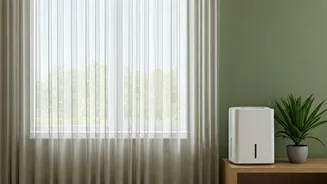
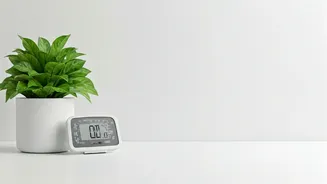
While daily habits and natural solutions are your first line of defence, a dehumidifier is a powerful tool for rooms that remain persistently damp, such as basements or laundry areas. To use it effectively, place the unit in a central location with plenty of space around it for airflow, and keep the room's doors and windows closed. Most experts recommend maintaining an indoor humidity level between 40% and 50% to prevent mould growth while ensuring comfort. A dehumidifier can also be a game-changer for drying clothes indoors, significantly reducing the moisture released into your home from a wet load of laundry.