

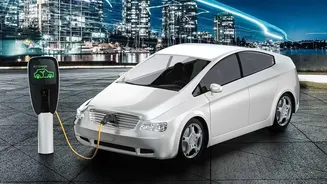
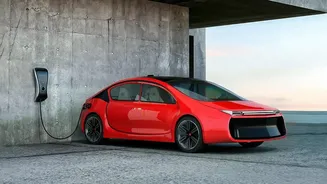
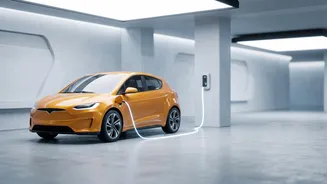
The Big EV Problem: Price
For years, the dream of owning an electric vehicle in India has remained just that for many: a dream. While the benefits are clear—lower running costs, zero emissions, and a quieter ride—the upfront purchase price has been a significant barrier. A major
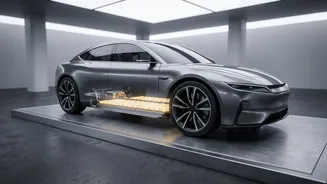
contributor to this high cost is the battery pack, which can account for a substantial portion of the vehicle's total price. These battery packs have overwhelmingly relied on lithium-ion technology. The challenge is that the core materials, like lithium and cobalt, are not just expensive but also have complex and often volatile supply chains, with mining and processing concentrated in a few countries. This leaves Indian manufacturers exposed to global price fluctuations and geopolitical risks, making it difficult to bring down EV costs for the average buyer.
Enter the Sodium-Ion Solution
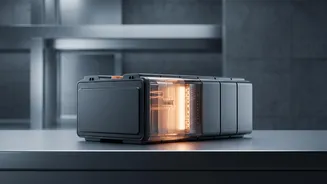
Imagine a battery that works on similar principles to the one in your phone or a typical EV, but is made from one of the most abundant and inexpensive materials on Earth: sodium. In its most common form, we know it as table salt. This is the core promise of sodium-ion battery technology. After decades in development, these batteries are now moving from labs and pilot projects to the brink of mass production. The fundamental advantage is swapping expensive lithium for cheap, widely available sodium. This simple switch has profound implications, especially for a price-sensitive market like India, which is aiming for 30% EV adoption by 2030.
The Cost and India Advantage
The economic case for sodium-ion is compelling. The raw material, sodium, is thousands of times more abundant than lithium and can be sourced domestically, reducing import dependency. Projections suggest that as production scales up, sodium-ion battery costs could drop significantly. Furthermore, many sodium-ion designs eliminate the need for other costly metals like cobalt and copper, further trimming expenses. For India, this isn't just about cheaper cars. It's about energy security and boosting the 'Make in India' initiative. Reliance Industries made a significant move by acquiring UK-based sodium-ion pioneer Faradion, with plans to commercialize the technology in India. A host of other domestic companies, including Indi Energy, GODi, and KPIT Technologies, are also developing their own sodium-ion solutions. Indi Energy is even using agricultural waste to produce a key component, turning a pollution problem into a battery solution.
Not a Perfect Replacement (Yet)
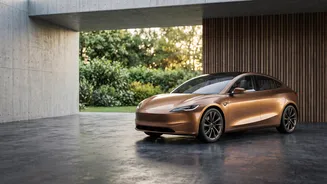
While the potential is huge, it's important to have realistic expectations. The primary trade-off with current sodium-ion technology is lower energy density. This means that for the same weight, a sodium-ion battery stores less energy than a high-performance lithium-ion one. In practical terms, this could translate to a shorter driving range. A vehicle might get 350 km on a sodium-ion pack versus 400-600 km with a premium lithium-ion equivalent. Because of this, sodium-ion batteries are not seen as a direct replacement for all lithium-ion applications. Instead, they are viewed as a complementary technology, perfectly suited for certain segments.
The Road to Your Driveway
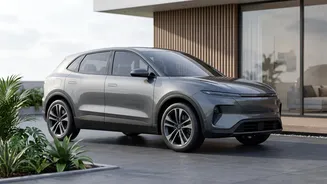
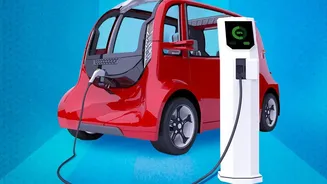
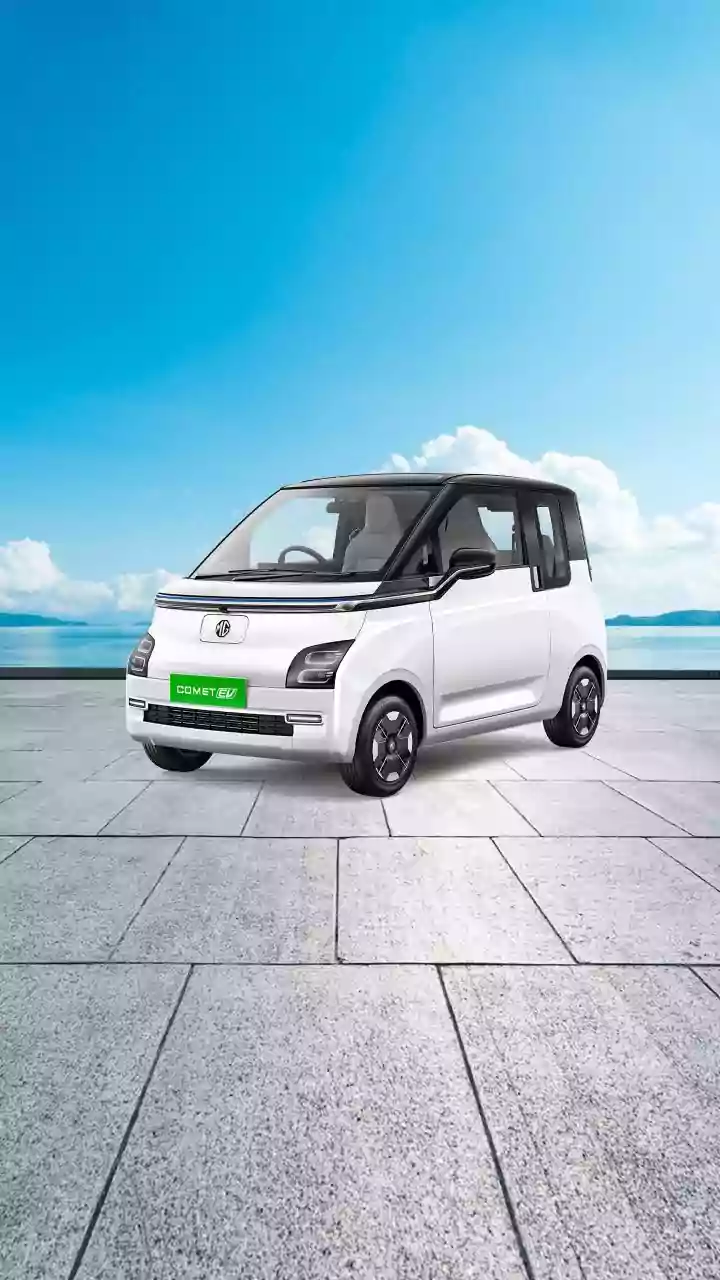
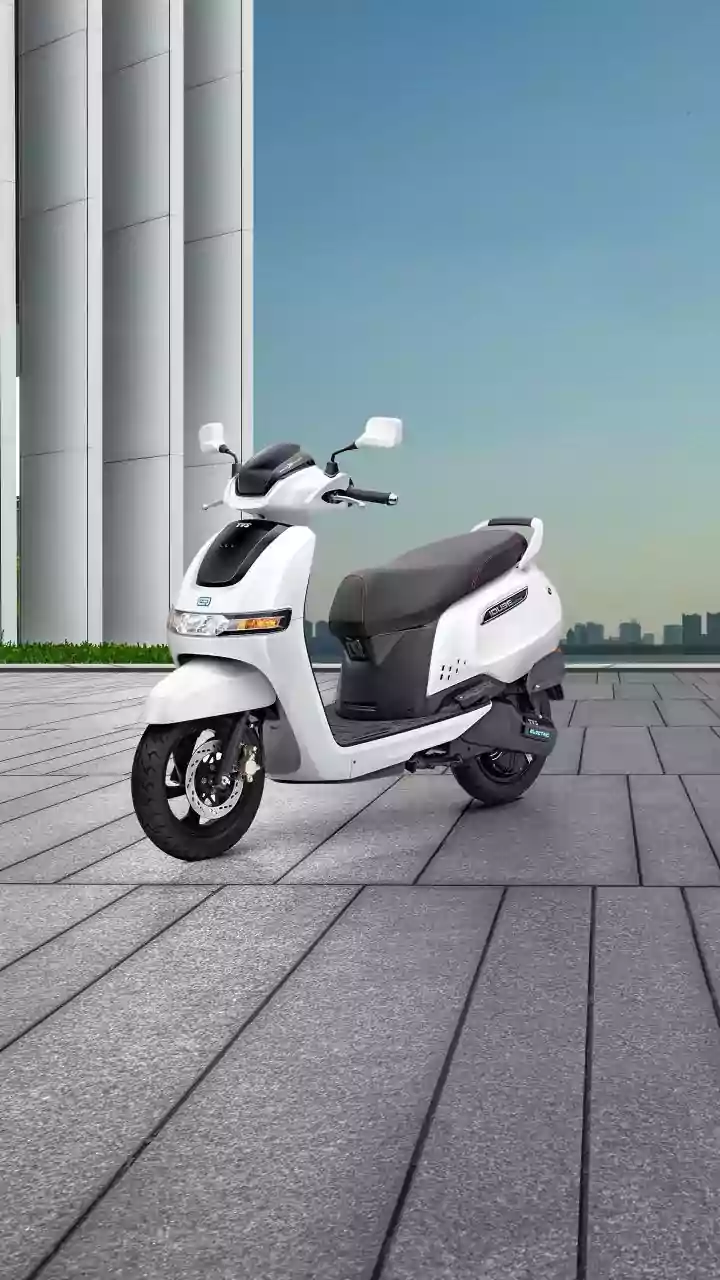
So, where will we see these batteries first? The most immediate applications are likely to be in smaller, more affordable electric two-wheelers and three-wheelers, as well as compact city cars where a massive range is less critical. These vehicles are the backbone of Indian mobility, and making them cheaper could accelerate electrification dramatically. Some Indian EV makers are already targeting a 2026 launch for vehicles powered by locally made sodium-ion batteries. Beyond vehicles, these batteries are ideal for stationary energy storage, like home inverters or grid-scale projects, where weight and size are not major constraints. As the technology matures and energy density improves—with some companies targeting over 200 Wh/kg—their use in a wider range of passenger cars will become more viable. The ability to use existing lithium-ion manufacturing lines with minor changes is also a huge advantage, allowing for faster and cheaper scaling of production.