




The Allure and the Challenge
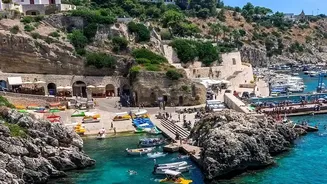
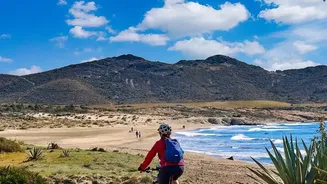
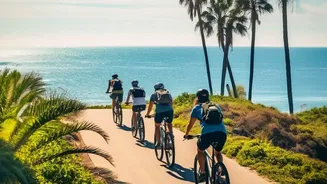
With its compact size and mild climate, Malta seems ideal for exploring by bicycle. You can ride from ancient temples to dramatic sea cliffs and back in a single day. However, the reality on the ground presents a mixed experience. While the rewards include
unparalleled coastal views and the freedom to explore quiet country roads, cyclists must contend with significant challenges. Malta has one of the highest car-per-capita ratios in the EU, leading to heavy traffic, especially in tourist corridors. This, combined with narrow roads and a developing cycling infrastructure, means that safety and route planning are paramount for an enjoyable trip.
Route Spotlight: The Quieter Sister Island
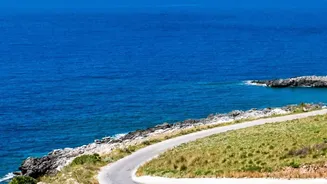
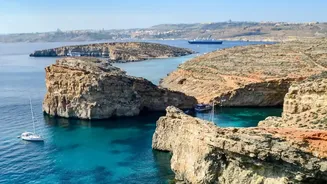
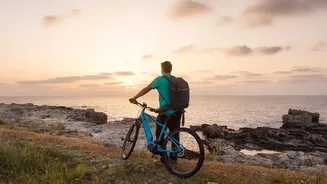
For a more serene cycling experience, Gozo is widely recommended over the main island of Malta. Often called the star of Maltese cycling, Gozo offers quieter roads, a more rural character, and gentler hills. The premier route is a 40-45km coastal loop that takes you through charming villages like Marsalforn and Xlendi, past ancient salt pans, and offers constant, spectacular sea views. This ride provides a genuine escape into the Mediterranean landscape, away from the heavy traffic of the main island, making it a favorite for both leisurely riders and serious cyclists.
Route Spotlight: Malta's Dramatic Cliffs
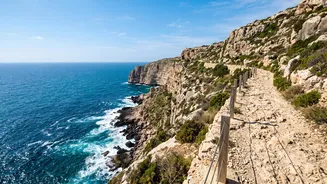
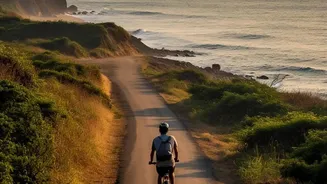
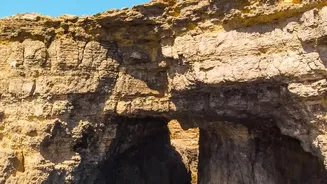
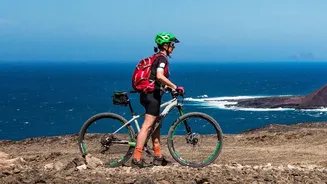
If you're committed to cycling on the main island, certain routes offer stunning rewards. The ride from the historic silent city of Mdina to the Dingli Cliffs is a popular choice. This relatively short 10-11km journey takes you through rural landscapes to the highest point in Malta, offering panoramic views straight down to the sea. Another scenic option follows the coastline from the village of Dingli to Għar Lapsi, tracing the cliff's edge. For those seeking a longer challenge, the 'North Tour' is a 65km loop that incorporates the Dingli Cliffs, Golden Bay, and a return along the coast.
Navigating Malta's Roads Safely
Understanding local road conditions is key to a safe ride. Maltese drivers can be assertive, and narrow roads often leave little room for error. Cyclists must ride on the left side of the road and obey all the same traffic rules as motorists. On narrow streets, it's often safer to take a central position in the lane to discourage dangerous overtaking. Be extremely cautious at roundabouts and when passing parked cars, leaving at least a door's width to avoid sudden openings. Visibility is crucial; always use front and rear lights, especially at night or in low light, and wear bright or reflective clothing.
An Essential Pre-Ride Checklist
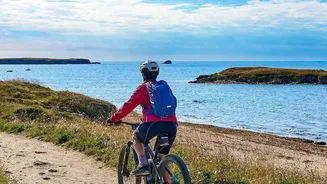
Before you set out, run through this checklist. First, a helmet is legally required in Malta and essential for your safety. Second, plan your timing. The best time to ride is early in the morning (around 6-9 AM) to avoid the worst of the traffic and heat. Avoid cycling early on weekend mornings, when there may be a higher risk of impaired drivers. Third, stay equipped. Always carry plenty of water, as shops can be sparse on rural routes. Using a GPS app like Komoot for navigation is highly recommended to find safer back roads. Finally, ensure your bike is in good condition with a working bell, brakes, and lights.
The Future of Cycling in Malta
While cyclists currently face challenges, the future looks brighter. Infrastructure Malta has launched the 'Connections for Safer Active Mobility' project, a major initiative to create a safer, more connected cycling network. The first phase, focusing on the Grand Harbour area, is underway and aims to connect key hubs like Valletta, Msida, and Pietà with fully segregated cycling routes. This is part of a broader government plan to develop up to 60 kilometres of cycling routes, which will eventually include new pedestrian and cycling bridges. These long-term projects aim to make active travel a more practical and inviting choice across the islands.