






The New 30-Day Rule Explained
The Thai government has officially approved a 30-day visa-free entry scheme for Indian passport holders. This decision brings clarity after a period of uncertainty, where a previous 60-day temporary visa exemption was ended and there were discussions
about revoking visa-free access altogether. That confusion led to a noticeable drop in tourist arrivals from India, a key market for Thailand. In response, officials have instated this new, stable 30-day policy to encourage Indian tourists back. The new rule replaces the older 15-day Visa on Arrival (VoA) system for Indians, effectively doubling the potential length of a hassle-free stay without needing to apply for a visa in advance. The move is designed to better align with the actual travel patterns of most visitors while still offering ample time for a thorough holiday.
Return Tickets: More Flexibility, Same Rule
One of the most persistent questions for Thailand travel is about proof of onward travel. While the 30-day visa exemption offers more freedom, it does not eliminate this requirement. Airlines are typically the strictest enforcers of this rule at the check-in counter, as they can be responsible for flying you back if you are denied entry. The good news is that you now have a 30-day window to work with. Instead of needing a flight out within 15 days, you can now book a return or onward journey for any time up to day 30 of your stay. This change is a game-changer for spontaneous travellers. You can arrive in Bangkok with just a one-way ticket and a flexible onward flight booked for three weeks later, giving you the freedom to finalise your exit plans after you have already started exploring. Just ensure you have a confirmed flight booking leaving Thailand before your 30-day stamp expires.
Rethinking Your Travel Insurance
As of mid-2026, travel insurance is not a mandatory entry requirement for Indian tourists visiting Thailand. However, it remains highly recommended by travel experts and authorities. Healthcare costs at private hospitals in tourist hotspots like Phuket and Bangkok can be significant, and incidents ranging from food poisoning to scooter accidents are not uncommon. The new 30-day rule makes choosing the right policy even more important. It's tempting to buy insurance for the planned two weeks of your trip, but if there's any chance you might extend your stay to take advantage of the full 30 days, your policy should cover the entire period. A longer stay introduces more opportunities for unforeseen events. Ensure your insurance provides adequate medical coverage for the full month, along with support for trip delays, lost baggage, and other potential disruptions.
Unlocking Longer, Deeper Itineraries
For years, the 15-day visa constraint meant many Indian travellers stuck to a well-trodden circuit: a few days in Bangkok, a quick trip to Pattaya, and perhaps a short flight to Phuket. The 30-day visa-free allowance fundamentally changes this. It transforms Thailand from a quick getaway destination into a place for deeper exploration. You can now plan a multi-week journey without the pressure of a looming visa expiry date. Consider spending a week in the northern mountains of Chiang Mai and Pai, followed by a leisurely island-hopping adventure in the south, exploring Krabi, Koh Lanta, and smaller, less-crowded islands. This extended timeframe allows for slower travel, giving you the chance to immerse yourself in the local culture, venture off the beaten path, and make decisions on the fly. The 30-day rule empowers you to say "yes" to that extra week on an island you have fallen in love with.
Your Essential Pre-Travel Checklist
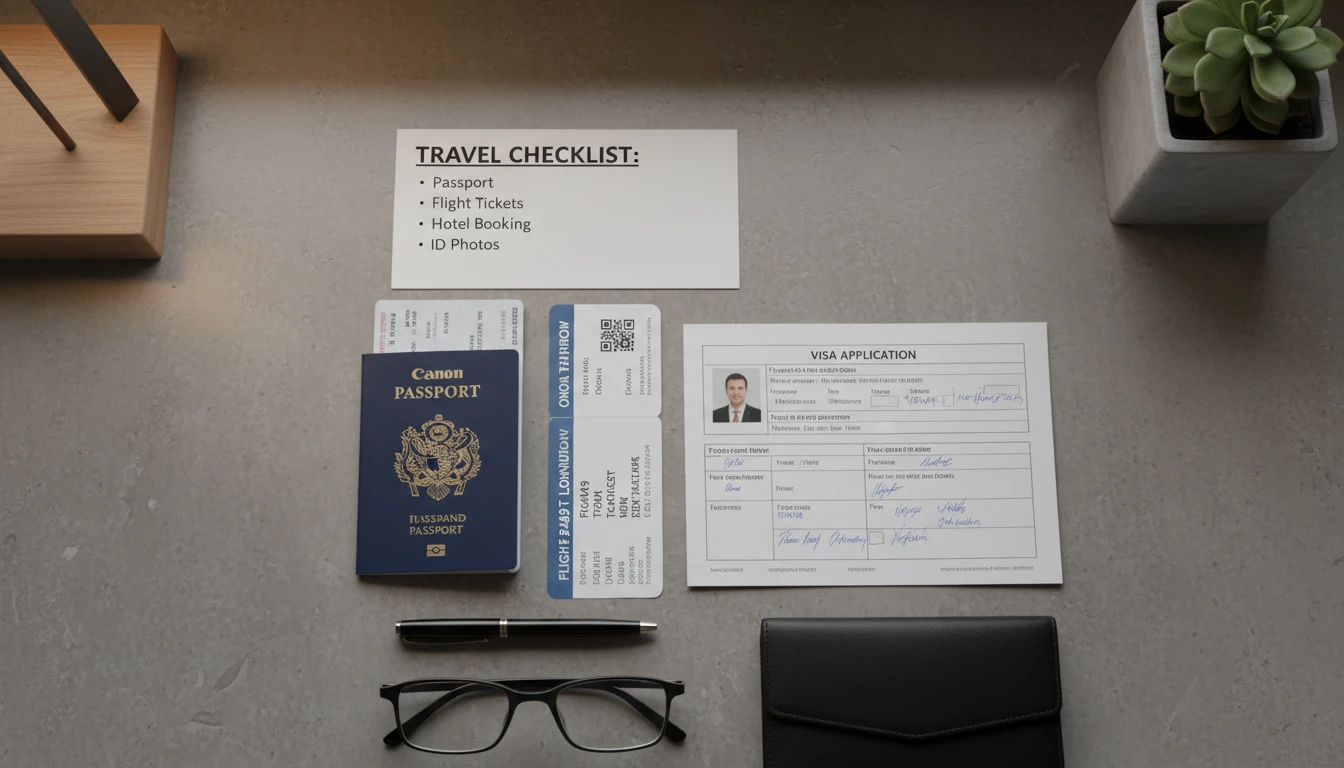
While the visa rule is a major update, other key entry requirements remain in place. Before you travel, ensure you have everything in order. Your passport must be valid for at least six months from your date of entry. You will also need to complete the Thailand Digital Arrival Card (TDAC) online before your flight. Although not always checked for every traveller, immigration officers can still ask for proof of accommodation and sufficient funds for your stay—typically around 10,000 to 20,000 Thai Baht or its equivalent. And as mentioned, always have your confirmed onward ticket within the 30-day period ready to show the airline. Getting these details right ensures your arrival is as smooth as the new visa process itself.