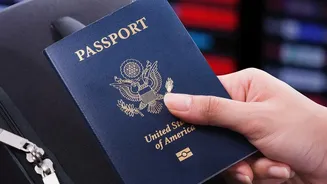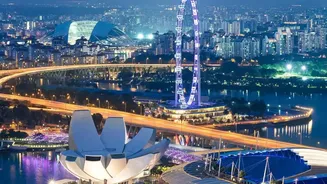







Singapore's passport is a global VIP pass, consistently ranked among the world's most powerful for travel freedom. So, it might be puzzling to see the nation place tenth on a recent major global index, trailing nine other countries. The answer reveals
that true international standing is about far more than just mobility.
The Index in Question
The ranking mentioned in the headline refers to a specialised index that assesses broad national influence and quality of life, not just passport power. While various indexes exist, one such example where Singapore placed tenth is a global quality of life or competitiveness ranking that looks beyond visa-free travel. Unlike the Henley Passport Index, which Singapore often leads, these broader indices measure a country's overall appeal and strength across multiple dimensions. They aim to capture a nation's ability to attract talent and investment, which involves more than just easy entry.
More Than Just Mobility
A powerful passport signifies strong diplomatic ties and the trust other nations place in its citizens. However, indices that measure broader influence, like the Brand Finance Global Soft Power Index, look at a wider array of factors. These include pillars such as Business and Trade, Governance, International Relations, Culture and Heritage, and Education and Science. Soft power is defined as a nation's ability to influence others through attraction and persuasion rather than coercion. While a strong passport is a component, it doesn't guarantee a top spot when factors like cultural exports, global media presence, and perceived ethical standards come into play.
How Singapore Measures Up
Singapore consistently excels in specific, high-value areas. In the 2026 Brand Finance Global Soft Power Index, where it ranked 21st overall, it was a powerhouse in the Business & Trade and Governance pillars. For instance, it ranked 4th globally for 'ease of doing business' and 9th for 'future growth potential'. It also scored highly for its low corruption, political stability, and safety. However, its smaller geographic and population size can limit its reach in categories like 'cultural influence' or 'media influence' when compared to giants like the United States, China, and the UK, which often dominate the top of soft power rankings.
The Leaders of the Pack
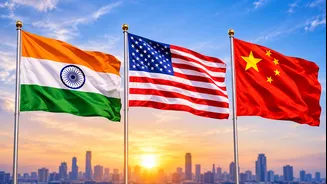
The countries that typically outperform Singapore in broad influence indices often have a different mix of strengths. For example, the United States, despite recent reputational dips, continues to lead in cultural and media influence. Nations like Japan and the UK score highly on their cultural heritage and global brands. Meanwhile, countries like Switzerland have built a world-leading reputation for trust and ethical governance, earning them top marks in those specific categories. The top of the 2026 Global Soft Power Index was occupied by the United States, China, and Japan, showcasing the dominance of large economies with significant global cultural footprints.
A Different Kind of Power
A tenth-place finish in an index focused on overall quality of life or influence isn't a sign of weakness, but a reflection of a different kind of national strength. Singapore's model is built on stability, economic efficiency, and strong governance—making it a leading destination for investment and talent. Its passport power is a direct result of this stability and diplomatic skill. While it may not have the sprawling cultural reach of a larger nation, its influence is concentrated and potent in the domains of business and effective governance, allowing it to punch well above its weight on the global stage.