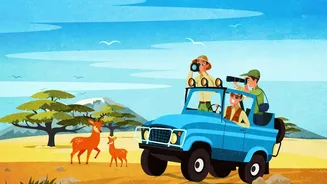





As cool winds sweep across the plains, India's forests and grasslands come alive. Winter offers a magical window for wildlife enthusiasts, a time when safari conditions are comfortable and animal sightings become more frequent and dramatic.
Why A Winter Safari?
Winter is arguably
the best season for a wildlife safari in India. The period between November and February brings pleasant daytime temperatures, making those hours in an open jeep enjoyable rather than enduring. The oppressive heat of summer is replaced by crisp mornings and comfortable afternoons. This cooler weather means animals, especially large predators, are more active during the day. Tigers might be seen sunbathing in open meadows, while leopards linger on sun-warmed rocks. Furthermore, the post-monsoon vegetation begins to thin out, and morning mist lends a photographic quality to the landscape, improving visibility and creating stunning visual opportunities.
For the Majestic Tiger
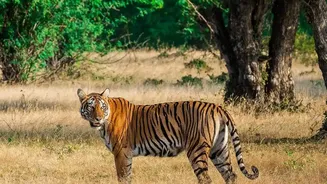
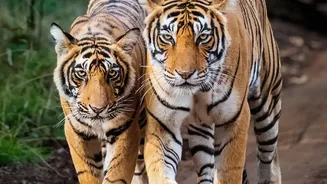
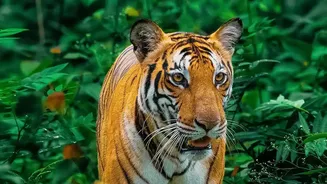
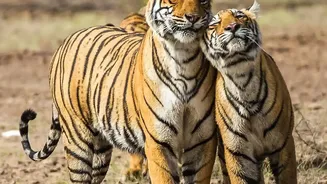
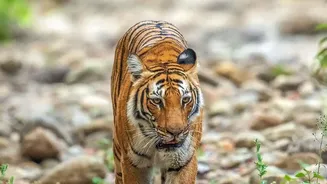
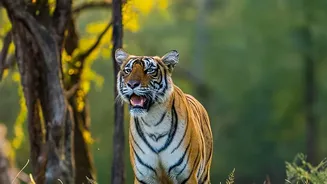
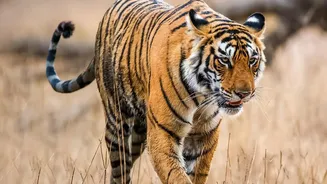
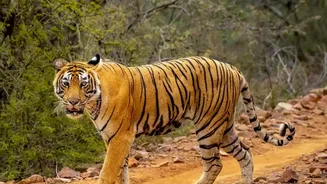
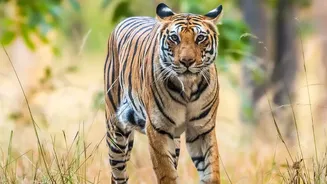
India's national animal, the Bengal tiger, is the star attraction of its wildlife circuit. Winter safaris offer a prime chance to see them. Cooler temperatures mean these magnificent predators are often on the move for longer periods. Two parks, in particular, stand out during this season. Ranthambore National Park in Rajasthan is famous for its tiger population set against a backdrop of historic ruins and lakes. The pleasant winter weather, with temperatures between 10°C and 25°C, makes exploring its various zones comfortable. For the highest tiger density, many guides point to Bandhavgarh National Park in Madhya Pradesh. The cool, dry winter months here are considered the peak season, leading to increased animal activity and a higher probability of sightings as wildlife gathers in more open areas.
In Pursuit of the Elusive Leopard
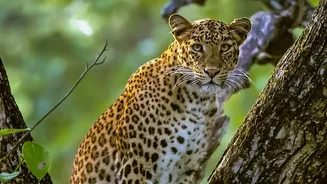
The Indian leopard is a master of camouflage, making a sighting a truly special event. While they inhabit many of the same parks as tigers, some locations offer a more focused leopard experience. Jhalana Leopard Reserve, located remarkably within the city of Jaipur, is India's first dedicated leopard reserve. It boasts one of the highest densities of leopards globally, and sighting success rates are exceptionally high. The best time to visit is from November to April, when the dry, cool weather makes for comfortable safaris and active leopards. Another unique destination is the Jawai and Bera region in Rajasthan. This isn't a formal national park but a landscape of granite hills where leopards and local communities coexist. Here, leopards are often seen lounging on the rocks, offering a different kind of safari experience, especially during the prime winter months of December and January.
The Realm of the One-Horned Rhino
For those seeking the prehistoric-looking Greater One-Horned Rhinoceros, the grasslands of Assam are the ultimate destination. Kaziranga National Park, a UNESCO World Heritage Site, is home to nearly two-thirds of the world's population of this species. Winter, from November to April, is the only practical time to visit, as the park is closed during the monsoon floods. During these dry months, the tall elephant grass begins to die back, dramatically improving visibility. This makes it easier to spot the rhinos, along with other residents like wild water buffalo and elephants. Pobitora Wildlife Sanctuary, also in Assam, offers another fantastic opportunity. It has the highest density of rhinos in the world and is an excellent option for those with limited time, as it's a short drive from Guwahati.
Tips for Your Winter Safari
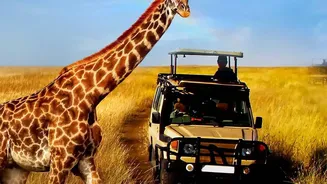
A successful winter safari requires some planning. Book your safari permits and accommodation well in advance, as winter is peak season and slots fill up quickly. Dress in layers. Early mornings in an open jeep can be genuinely cold, especially in parks in Rajasthan and Madhya Pradesh, but it gets warmer as the sun comes up. Opt for muted, earthy colours to blend in with the environment. Don't forget essentials like binoculars for better viewing, a good camera, sunscreen, and a cap. Most importantly, be patient and manage your expectations. A safari is about experiencing the forest in its entirety, not just ticking off a checklist of big cats.