


Why Trek in the Monsoon?
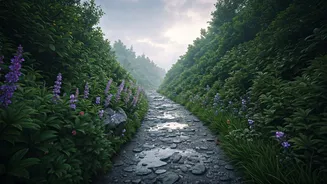
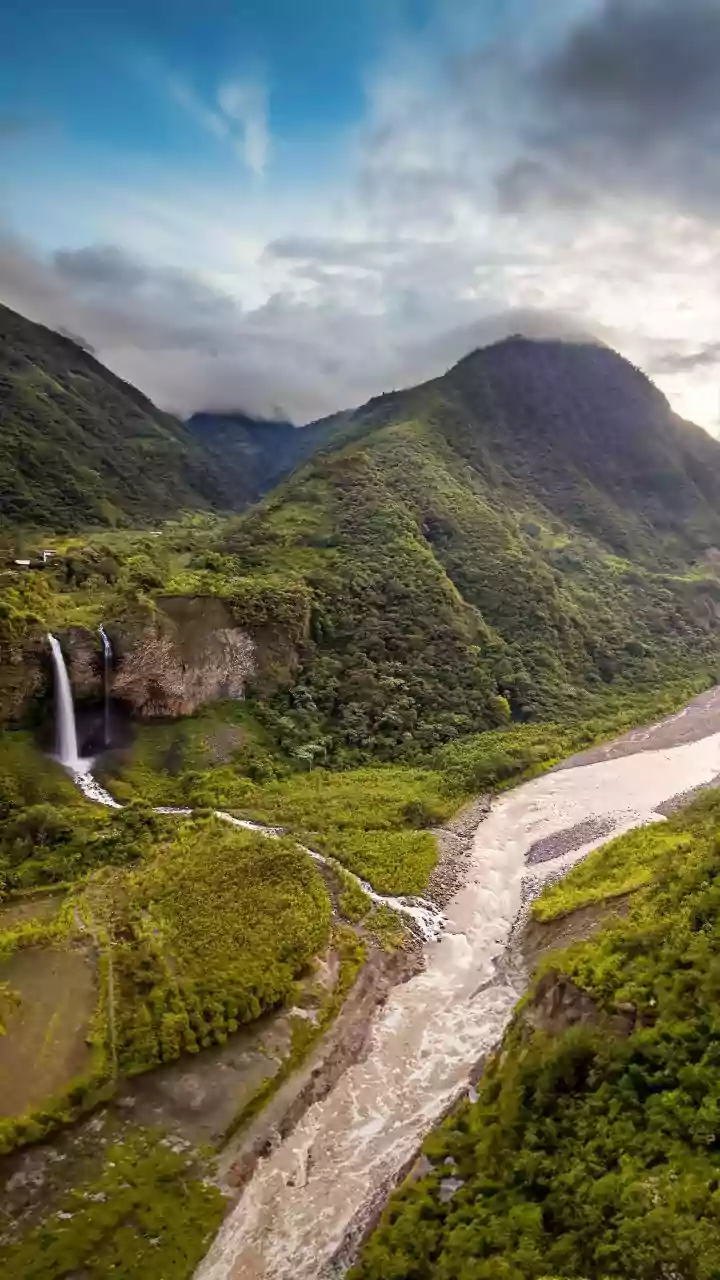
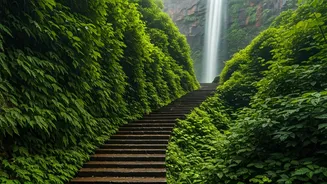
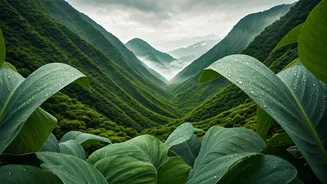
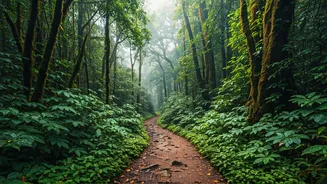
Let’s be honest: trekking in the rain sounds messy. It involves muddy trails, slippery rocks, and the constant threat of a downpour. So why do it? Because the monsoon breathes life into India’s landscapes in a way no other season can. Dust settles, forests
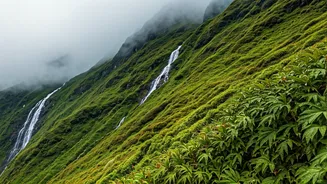
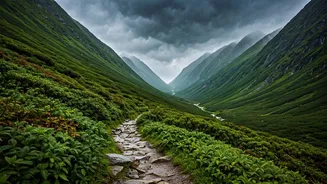
turn a hundred shades of green, seasonal waterfalls burst forth from hillsides, and the air is crisp and clean. It’s an immersive, sensory experience—the smell of wet earth, the sound of gushing streams, and the sight of clouds rolling through valleys. For certain trails, the monsoon isn't a time to avoid; it’s the only time to truly see them in their full glory.
Valley of Flowers, Uttarakhand
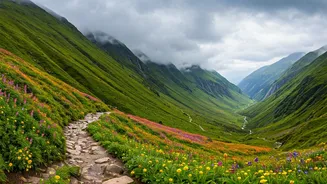
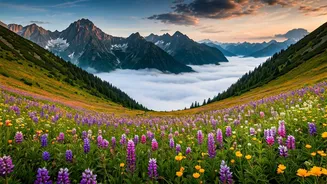
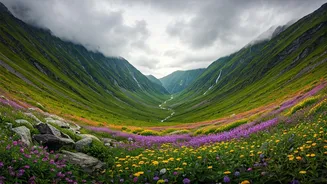
This is the undisputed king of monsoon treks. A UNESCO World Heritage Site, the Valley of Flowers is a high-altitude Himalayan valley that lies dormant under snow for most of the year. But from July to September, it erupts into a vibrant carpet of over 300 species of alpine flowers, including blue poppies, cobra lilies, and brahmakamal. The trek itself is of moderate difficulty, starting from the village of Govindghat. The path runs alongside the gushing Pushpawati River, with misty mountains and glaciers forming a dramatic backdrop. The gentle rain and low-hanging clouds only add to the ethereal, dreamlike quality of the valley, making it feel like a secret garden hidden away from the world.
Rajmachi Fort, Maharashtra
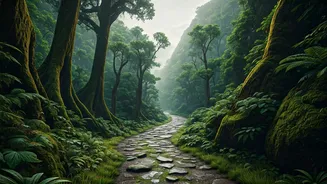
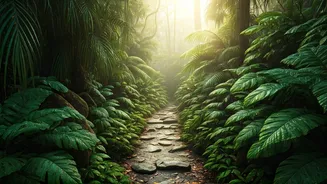
Nestled in the Sahyadri mountains, the trek to Rajmachi Fort is a quintessential Western Ghats experience. The trail, especially from Lonavala, becomes a paradise of green during the monsoon. You'll walk through dense forests, cross bubbling streams, and encounter numerous waterfalls that are perfect for a refreshing break. The trek is relatively easy, making it ideal for beginners and weekend adventurers. The reward at the end is the historic fort complex, consisting of two main forts—Shrivardhan and Manaranjan. The view from the top, looking down at the fog-filled valleys and the distant Shirota dam, is nothing short of spectacular. It’s a trek that proves the journey is just as beautiful as the destination.
Hampta Pass, Himachal Pradesh
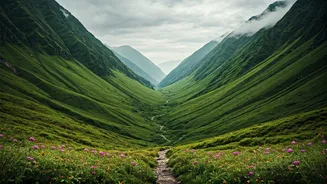
For those seeking a more challenging adventure, the Hampta Pass trek offers one of the most dramatic scenic transitions you'll ever witness. The trek begins in the lush, green Kullu valley, filled with pine forests, meadows, and river crossings. As you ascend towards the pass at over 14,000 feet, the landscape changes drastically. One moment you're surrounded by vibrant greenery, and the next, after crossing the pass, you step into the stark, arid, and breathtakingly beautiful desert of Lahaul. This crossover is what makes Hampta Pass unique. While it requires good fitness and preparation, tackling it in the late monsoon season (August-September) offers clear views and the best of both worlds—Kullu’s green embrace and Lahaul’s raw, barren beauty.
Dudhsagar Falls, Goa
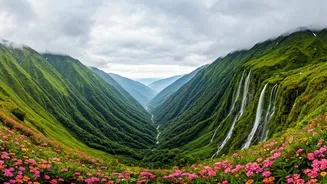
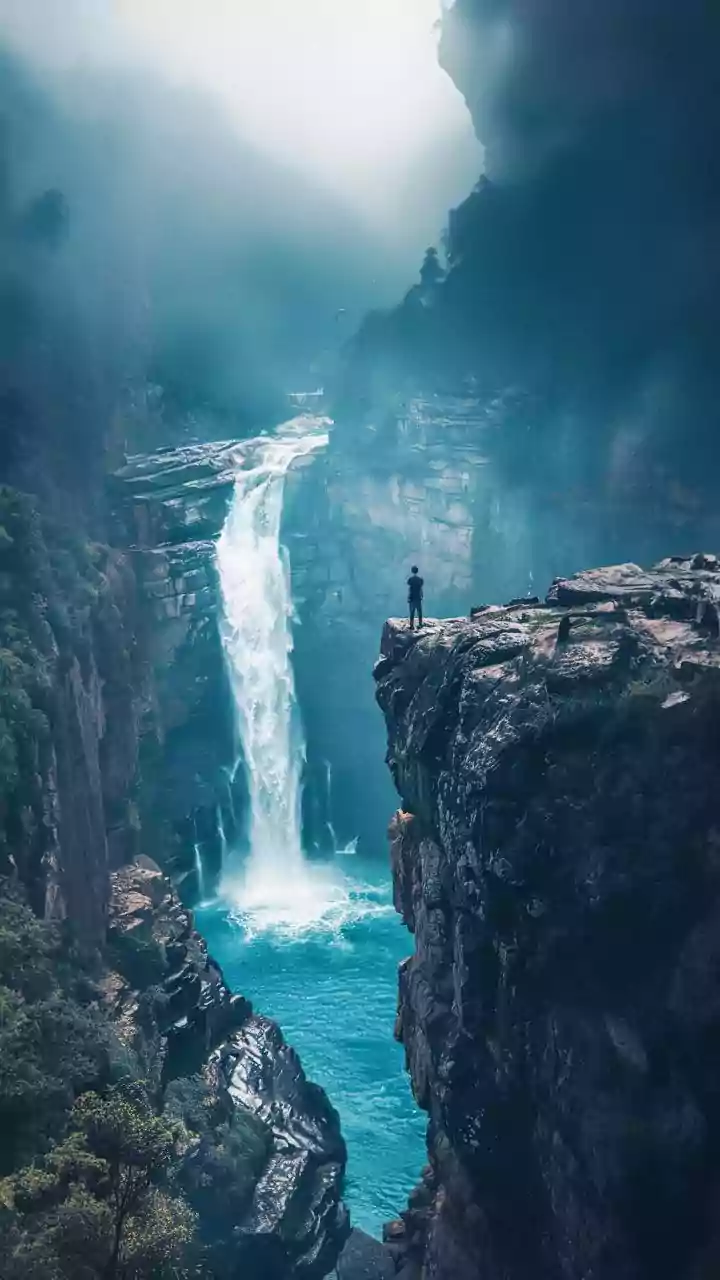
Meaning 'Sea of Milk', Dudhsagar Falls is one of India's tallest and most powerful waterfalls, and it's at its thunderous best during the monsoon. Located on the Mandovi River on the border of Goa and Karnataka, the trek to its base is an adventure in itself. While the famous railway track route is often restricted for safety, alternative jungle trails through the Bhagwan Mahaveer Sanctuary offer an equally thrilling experience. The trail takes you through a rich, biodiverse forest, requiring you to cross rivers and navigate muddy paths. The sound of the falls grows louder as you approach, building anticipation until you finally witness the magnificent four-tiered cascade. It's a challenging but immensely rewarding trek that showcases nature's raw power.