



The Call of the Open Road
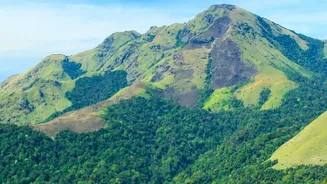
Stretching over 1,600 kilometres from Gujarat to Tamil Nadu, the Western Ghats are a UNESCO World Heritage Site and one of the planet's most significant biodiversity hotspots. For decades, travellers have been drawn to its popular hill stations. Today,
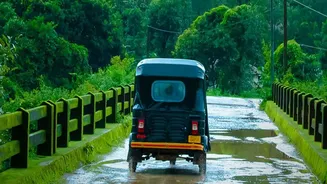
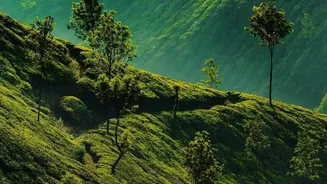
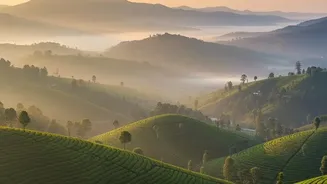
however, a growing number of explorers are choosing to get behind the wheel, discovering the region's true magic on the routes that connect its varied landscapes. Drives from Pollachi to Valparai with their hairpin bends, or through the misty, monsoon-kissed Chorla and Amboli Ghats, offer more than just stunning views of tea plantations and waterfalls; they offer a journey through living, breathing ecosystems. These routes invite a slower, more immersive form of travel, turning the drive itself into the destination.
Beyond the Crowded Hill Stations
The beauty of a road trip is the freedom to diverge. By taking to the road, travellers are venturing beyond heavily commercialised tourist centres into less-explored regions like Wayanad, Coorg, and the Anamalai Hills. This dispersal of tourism is crucial. Instead of overwhelming a few popular spots, it spreads the economic benefits and environmental footprint more evenly. Drivers are discovering remote villages and pristine forests that are not on the typical tourist map, creating authentic connections with places that have, until now, remained local secrets. This shift allows for a more personal encounter with the Ghats' rich tapestry of nature and culture.
A New Model: Homestays and Community Empowerment
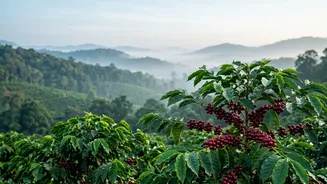
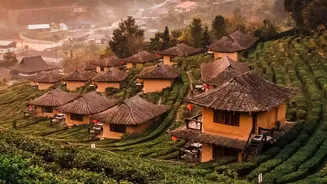
This new wave of road-trippers needs places to stay, and this is where the sustainable model truly shines. In remote areas where large hotels are scarce, a network of family-run homestays has emerged as the accommodation of choice. These are not just alternative lodgings; they are the heart of community-based ecotourism. By opening their homes, local families, particularly in coffee-growing regions like Kodagu, gain a vital alternative income source. This model ensures that tourism revenue flows directly into the local economy, supporting families, preserving traditional lifestyles, and reducing the migration of young people to cities in search of work. Tourists, in return, receive an unparalleled experience: authentic local cuisine, cultural exchange, and a deeper understanding of the region they are visiting.
From Tourist to Guardian
When travellers stay with local families and are guided by community members, their relationship with the environment changes. Tourism becomes a tool for conservation. The income generated from homestays and eco-tours provides a powerful incentive for communities to protect their surrounding natural habitats—the very asset that attracts visitors. This creates a virtuous cycle: tourists fund conservation, and conservation enhances the tourist experience. In areas around parks like Periyar and Mudumalai, ecotourism initiatives employ local guides and support anti-poaching patrols, fostering a sense of ownership over wildlife protection among residents. The traveller is no longer just a passive observer but an active participant in preserving the Ghats' fragile biodiversity.
Your Guide to a Responsible Ghats Road Trip
Inspired to take the wheel? Travelling responsibly is key to ensuring your journey has a positive impact. Start by planning your route to include stays in verified community-run homestays. When driving, be mindful of the terrain; stick to designated roads, avoid excessive honking, and never drive in neutral on downhill slopes. The Western Ghats are a sensitive ecological zone, so be extremely cautious of wildlife crossing the roads, especially at dawn and dusk. Always carry your waste with you until you find a proper disposal bin, minimize the use of plastics, and respect local customs and traditions. By travelling with awareness, you contribute to the sustainable model that protects this incredible region.