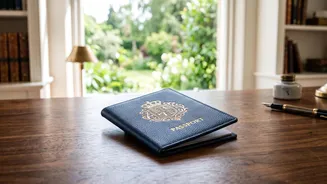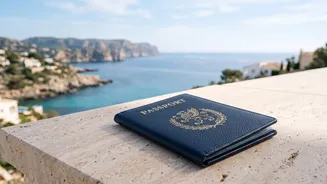





What if a passport's power wasn't just about visa-free travel, but also about the quality of life in its home country? A new ranking does just that, and Finland has claimed the top spot, proving its passport is about more than just mobility.
Deconstructing the 'Happy Passport'
For years,
we've measured the strength of a passport by a single metric: the number of countries its holder can enter without a visa. But the new 'Happy Passports Index 2026' challenges that idea by asking a more holistic question. What good is global access if life at home isn't fulfilling? This innovative ranking, published by advisory firm Global Citizen Solutions, combines traditional passport power with crucial quality-of-life indicators. It assesses countries on four pillars: wellbeing (based on citizen life satisfaction), freedom at home (civil liberties), mobility (travel access), and prosperity, health, and safety. The result is a more rounded picture of what a passport truly represents: a blend of global opportunity and domestic contentment.
How Finland Secured the Top Spot
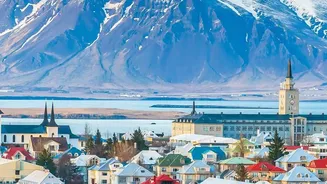
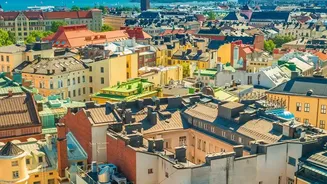
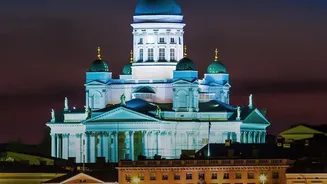
Finland's victory in the Happy Passports Index is no surprise to those who follow global quality-of-life rankings. The nation has been named the happiest country in the world for nine consecutive years in the World Happiness Report, a key data source for the new index. Its citizens report exceptionally high life satisfaction, a factor that gave it a significant edge. This is built on a foundation of strong social support, trust in government, low corruption, and a deep connection to nature. While its passport is powerful, offering visa-free or simplified access to nearly 200 destinations, it's this combination of world-class mobility and a society built on wellbeing and trust that propelled it to first place, just ahead of Nordic neighbours Iceland and Denmark.
More Than Just Mobility
The index reveals that the most powerful passports don't always belong to the happiest populations. For example, Singapore boasts one of the world's strongest passports in terms of pure travel access but placed 10th overall due to a lower score in the wellbeing category. Conversely, countries like Costa Rica rank surprisingly high on life satisfaction despite having less powerful passports. This highlights the core argument of the index: true passport value lies in the balance between freedom to travel and the freedom to thrive at home. For wealthier nations, the data suggests that happiness correlates more strongly with personal freedoms and choice than it does with income or the number of visa-free destinations alone.
What This Means for India
While India was not one of the 50 countries included in the inaugural Happy Passports Index, we can draw insights by looking at the components separately. In the 2026 World Happiness Report, India ranked 116th out of 147 countries, showing a positive trend but still trailing in global life satisfaction metrics. On the mobility front, the Henley Passport Index from October 2026 placed India's passport at 84th, providing visa-free access to 55 destinations. A hypothetical 'Happy Passport' score for India would reflect this reality: moderate travel freedom paired with significant room for improvement in domestic wellbeing indicators like social support, perceptions of corruption, and healthy life expectancy. The new index serves as a reminder that national progress is a dual journey of enhancing both global standing and the everyday lives of citizens.