








Decoding the Headline Figure
On the surface, an inflation rate of 4.38% seems concerning, especially after a long period of relative calm below the 4% mark. However, a deeper dive into the data reveals a telling split. The primary driver for this increase is not a widespread, overheating
economy, but a surge in the Consumer Food Price Index (CFPI), which accelerated to 5.32%. In stark contrast, core inflation—which strips out volatile components like food and fuel—remained relatively stable at around 4%. This divergence is critical. It suggests that the current price pressure is concentrated in specific segments rather than being a broad-based inflationary spiral that would necessitate an immediate and aggressive monetary policy response.
The Real Story Is in the Vegetable Basket
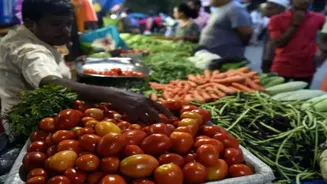
The anxiety in household budgets is not coming from all directions; it’s largely emanating from the vegetable aisle. The June data shows a dramatic and highly specific price shock in essential kitchen items. For instance, ginger prices surged by over 50% year-on-year, while tomatoes became dearer by nearly 32%. At the same time, consumers found relief in other areas, with potato prices actually falling by more than 20%. This isn't a story of uniform price rises. It’s a narrative of supply disruptions, weather patterns, and seasonal volatility. Economists point to a dry June and the uncertain trajectory of the monsoon as key risks that could keep food prices on edge. This volatility in perishables, which has an outsized impact on the common person's perception of inflation, requires a nuanced understanding, not a blunt policy instrument.
The Peril of a Knee-Jerk Reaction
Given the concentrated nature of the price rise, any talk of 'panic cuts' to stimulate growth would be misguided. While the overall inflation figure remains within the Reserve Bank of India's tolerance band of 2-6%, the upward trend in food inflation cannot be ignored. Lowering interest rates at a time when food costs are volatile and facing further risks from the monsoon could fuel inflationary expectations. It would signal that the central bank is willing to overlook the price pressures affecting millions of households daily. The fact that core inflation is under control gives the RBI the breathing room to wait and observe. Acting hastily would risk reacting to short-term statistical noise rather than addressing the underlying economic reality. Most economists, in fact, expect the RBI to maintain its status quo in the upcoming policy meeting, underscoring a consensus against any rash moves.
A Call for Patience and Precision
The most prudent path forward for policymakers is not to reach for the repo rate lever but to adopt a 'wait-and-watch' approach. The RBI’s role should be to anchor inflation expectations by communicating that it is monitoring the situation closely without being swayed by temporary shocks in a few commodities. The real solution to the current problem lies outside the central bank’s direct control. Tackling the volatility in vegetable prices requires government intervention through better supply chain management, improving logistics, and managing agricultural output to smooth out the seasonal peaks and troughs. The RBI can afford to 'look through' this food-driven inflation spike, provided it doesn't spill over into the broader economy. A calm and measured stance, focused on data, is the need of the hour.