


The Silent Epidemic of Pet Obesity
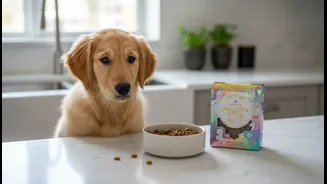
A 'chubby' pet might look cute, but the extra weight is a serious health concern. In major Indian cities, it is estimated that 40-60% of pets are overweight or obese. This isn't just a cosmetic issue; it's a preventable disease that significantly impacts
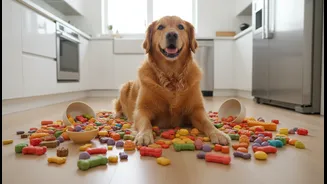
your pet's quality of life and can shorten their lifespan by up to two and a half years. Excess weight puts immense strain on a pet's body, leading to a host of problems including arthritis, diabetes, heart disease, and respiratory issues. The primary causes are often overfeeding, a diet high in carbohydrates from table scraps like roti and rice, too many treats, and a lack of sufficient exercise.
Why Package Guidelines Are Just a Starting Point
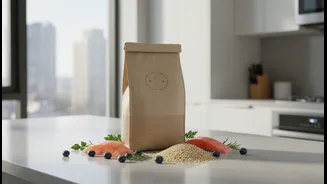
Many pet parents diligently follow the feeding chart on the back of the pet food bag, believing they're doing the right thing. However, these charts are just a generic guideline. They are typically based on the needs of an average, intact adult animal with a normal activity level. These recommendations don't account for your specific pet's age, breed, metabolism, whether they are spayed or neutered, or their actual daily activity. A lazy Pug living in an apartment has vastly different caloric needs than an active Border Collie. Relying solely on these instructions can easily lead to over or underfeeding.
What Is Portion Literacy?
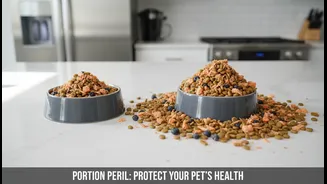
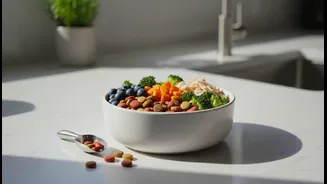
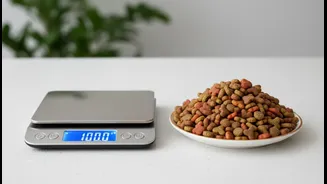
Portion literacy is about moving beyond guesswork and understanding precisely how much food your individual pet needs. It involves three key steps. First, consulting your veterinarian to determine your pet's ideal body condition and their daily caloric requirement. Second, using proper tools for measurement. 'Eyeballing' portions is a common mistake that leads to gradual weight gain. Instead of using an informal scoop or cup, use a standard measuring cup for a level scoop, or for ultimate precision, a kitchen scale to weigh the food in grams. Third, accounting for all food sources, not just the main meals.
The 'Treat' Trap and Table Scraps
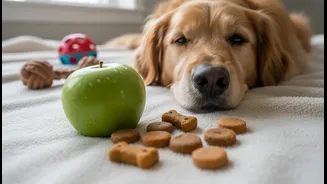
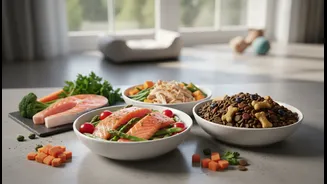
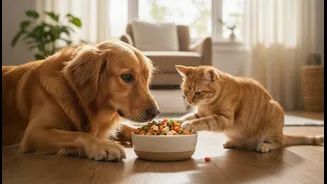
In Indian households, sharing food is a cultural norm and a sign of affection, but it's a habit that can be detrimental to pets. A single biscuit or a small piece of paneer can represent a significant percentage of a small pet's daily calorie needs, effectively erasing any careful portion control. Furthermore, many human foods contain ingredients like onion, garlic, excess salt, and spices that are harmful or even toxic to dogs and cats. A crucial rule of thumb is the 10% rule: treats, including healthy ones like carrot sticks or boiled pumpkin, should make up no more than 10% of your pet's total daily caloric intake.
An Action Plan for Perfect Portions
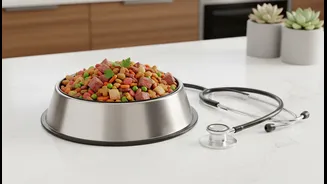
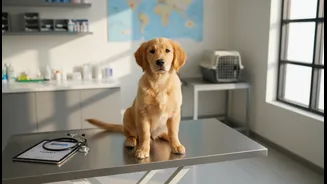
Ready to become a portion-literate pet parent? Start here. First, schedule a visit with your veterinarian. They will assess your pet's Body Condition Score (BCS), determine their ideal weight, and calculate their specific daily calorie needs for maintenance or weight loss. Next, invest in a simple kitchen scale and start weighing your pet's food for every meal. Divide the total daily amount into two or three smaller meals to help manage hunger. Be strict about the 'no table scraps' rule and ensure the entire family is on board. Finally, monitor your pet's weight and body condition regularly, and adjust the feeding plan with your vet's guidance as needed. Remember that safe weight loss is a slow and gradual process.