





A Flashpoint for a Greener Future
In late August 2026, hundreds of citizens, environmental groups, and resident associations gathered in Bengaluru’s historic Lalbagh Botanical Garden. Their message, displayed on banners reading “Not 5%. Not 1 inch. Leave our parks alone,” was aimed squarely
at the Karnataka government. The protest was triggered by the passing of the Karnataka Government Parks (Preservation) Amendment Bill, 2026, which allows up to 5% of protected parkland to be acquired for public infrastructure projects. While the government frames it as a necessary measure for essential development, activists see it as a legal backdoor to chip away at the city's last remaining green lungs, particularly with large-scale projects like a contentious tunnel road on the horizon. This conflict is more than a local dispute; it’s a snapshot of a dilemma facing every major Indian city: how do you balance relentless growth with the fundamental need for livable, breathable spaces?
From Garden City to Concrete Jungle
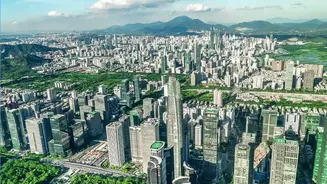
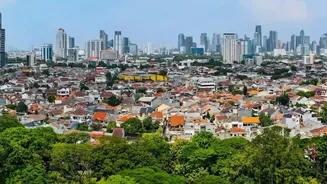
The memory of Bengaluru as a tranquil city of lakes and gardens is fading fast. In recent decades, its explosion into India's 'Silicon Valley' has come at a steep environmental cost. Studies from the Indian Institute of Science highlight a grim statistic: over the last four decades, the city has lost a staggering 88% of its green cover, while concrete-covered areas have increased eleven-fold. What was once a city with nearly 70% green cover now has a meagre 2-3%. This dramatic transformation has led to predictable, yet severe, consequences. The urban heat island effect is intensifying, with studies showing that parks are, on average, over 2 degrees Celsius cooler than their surrounding built-up areas. With the loss of green spaces and the encroachment on lakes, the city's ability to absorb rainwater has diminished, leading to increased flooding.
An 'Outdoor Deficit' for Citizens
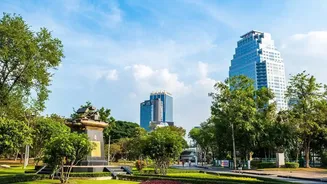
The scarcity of green space is not just an environmental issue; it's a social one. For a population of 14 million, Bengaluru offers less than half a square metre of park space per person—a fraction of the 10 to 12 square metres recommended for healthy living. This creates what experts call an "outdoor deficit." Parks are described as essential infrastructure, not just for their ecological benefits like cleaning the air, but as crucial "third spaces" outside of home and work where communities can gather, children can play, and residents can find relief from the stress of urban life. With nearly 28% of the city's wards having one or no parks at all, access to these vital spaces is already unequal. Activists argue that legally sanctioning the use of parkland for construction, even a small percentage, will only deepen this inequity and normalise the treatment of green spaces as disposable land.
A Blueprint for India's Urban Future?
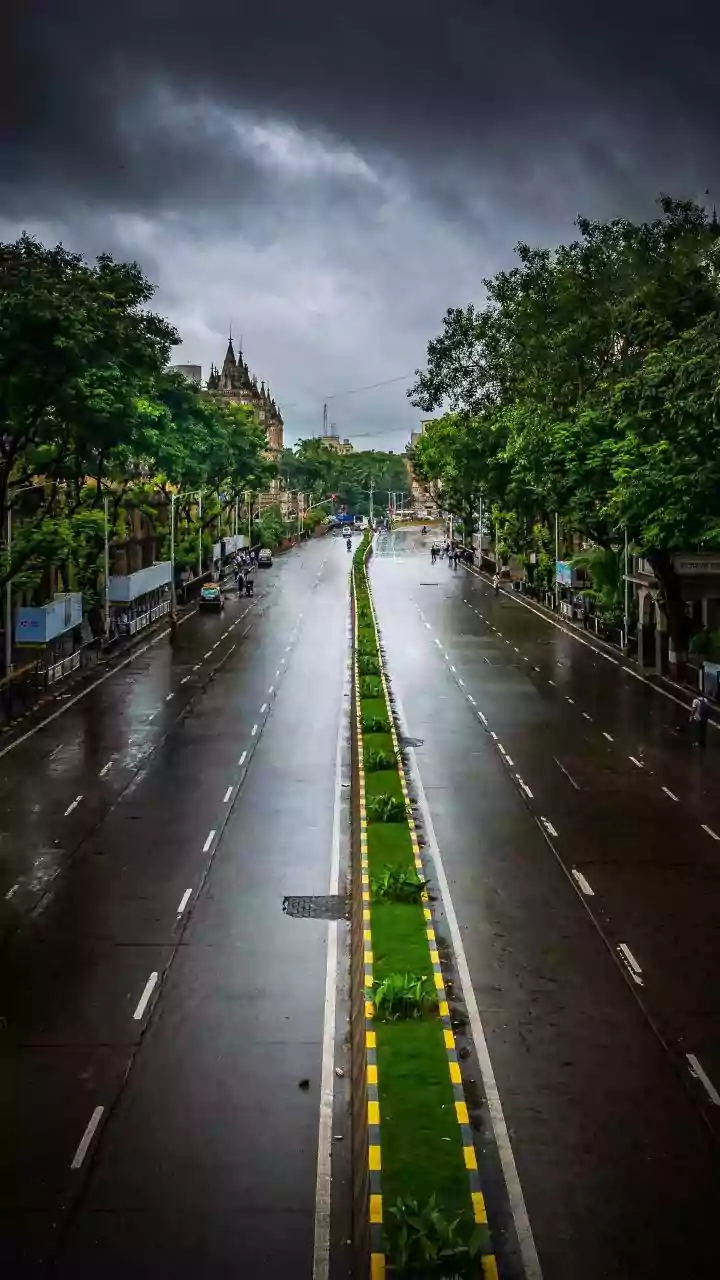
Bengaluru’s struggle is a cautionary tale for the rest of urban India. The pattern of development—housing and commercial projects first, with infrastructure and amenities like parks playing catch-up—is a familiar story. This inverted model of growth puts immense strain on a city's resources and quality of life. The questions being asked in Bengaluru are relevant everywhere: Should development always take precedence over preservation? How can citizens participate more effectively in urban planning? And what is the true cost of losing our public commons? The citizen-led movements in Bengaluru, which include not only protests but also volunteer-driven park clean-ups and plantation drives, offer one part of the answer. They demonstrate a growing public demand for a more sustainable and people-centric approach to city-building, where green spaces are recognised not as a luxury, but as non-negotiable for a healthy urban future.