

The Red Planet's Unseen Enemy
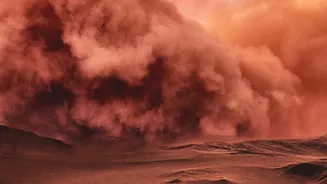
Mars is notorious for its colossal dust storms, which can escalate from local events to global phenomena in a matter of days. These aren't the gentle dust devils of Earth; they can blanket the entire planet, plunging the surface into a dim, reddish twilight.
The primary danger for solar-powered explorers isn't the wind—the Martian atmosphere is too thin for even high-speed gales to topple a rover. The true threat is darkness. As thick dust clouds billow into the atmosphere, they block up to 99% of direct sunlight from reaching the surface. For a machine that relies on sunlight for its very survival, this is a potentially fatal scenario. The dust also settles on solar panels, dramatically reducing their ability to generate power even after the sky clears.
A Cautionary Tale Named Opportunity
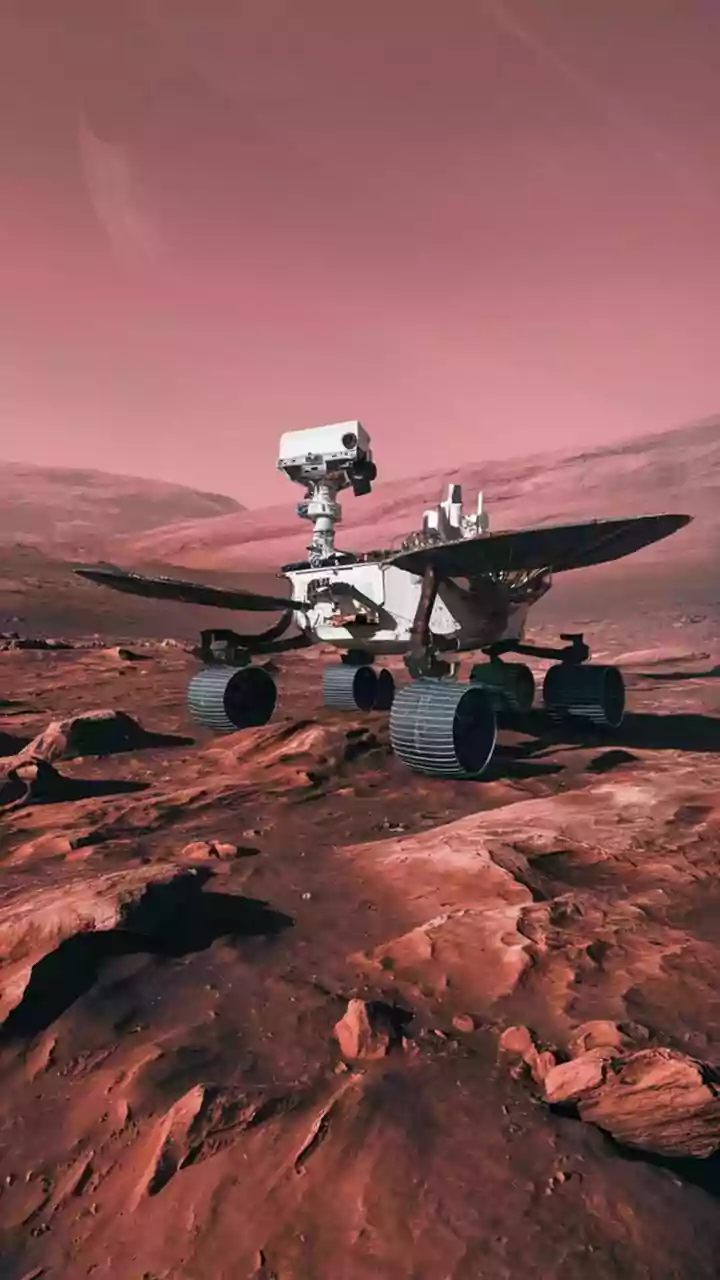
The stakes of this celestial weather became heartbreakingly clear with the fate of NASA's Opportunity rover. Designed for a 90-day mission, the extraordinarily resilient rover explored Mars for nearly 15 years. It survived multiple challenges, including a major dust storm in 2007. But in June 2018, a planet-encircling dust storm swept over its location. The sky darkened so profoundly that Opportunity's solar panels could no longer recharge its batteries. The rover's power levels plummeted, and on June 10, 2018, it sent its final communication to Earth before falling silent. After months of trying to re-establish contact, NASA declared the mission complete in February 2019. Opportunity's demise served as a crucial lesson: survival on Mars depends on predicting the weather.
The Watchful Eyes in Orbit
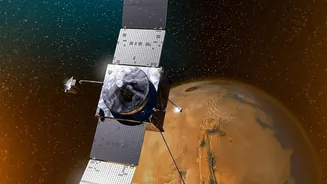
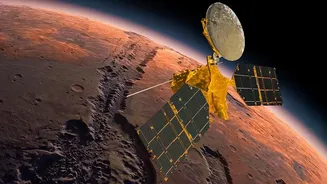
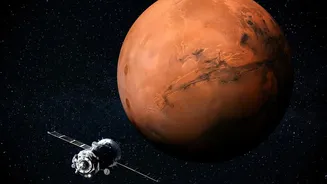
This is where the orbiters come in, acting as an interplanetary weather service. A fleet of spacecraft, including NASA's Mars Reconnaissance Orbiter (MRO), MAVEN, and Odyssey, constantly monitor the planet from above. The MRO is particularly crucial, equipped with instruments like the Mars Color Imager (MARCI), which produces a daily global weather map. This allows scientists on Earth to spot dust storms as they begin to form. Another MRO instrument, the Mars Climate Sounder, measures atmospheric temperatures, helping predict how fast a storm might spread. This orbital surveillance provides the critical early warning needed to protect assets on the ground.
From Data to Life-Saving Decisions
When orbiters detect a burgeoning storm, they relay the data to mission controllers on Earth. This information is a lifeline for rover teams. Armed with forecasts, engineers can take pre-emptive action. For a solar-powered vehicle, this means conserving energy. They might command the rover to halt all non-essential activities, such as driving or using scientific instruments, and enter a low-power hibernation state. The goal is to stretch the battery charge for as long as possible, keeping vital heaters running to protect core electronics from the extreme Martian cold until the sky clears. This was the exact strategy that helped Opportunity survive the 2007 storm and was attempted again in 2018. This proactive risk management is essential for mission longevity.
Protecting Current and Future Explorers
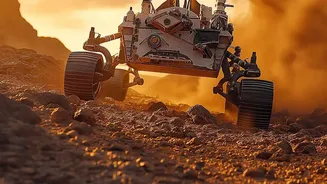
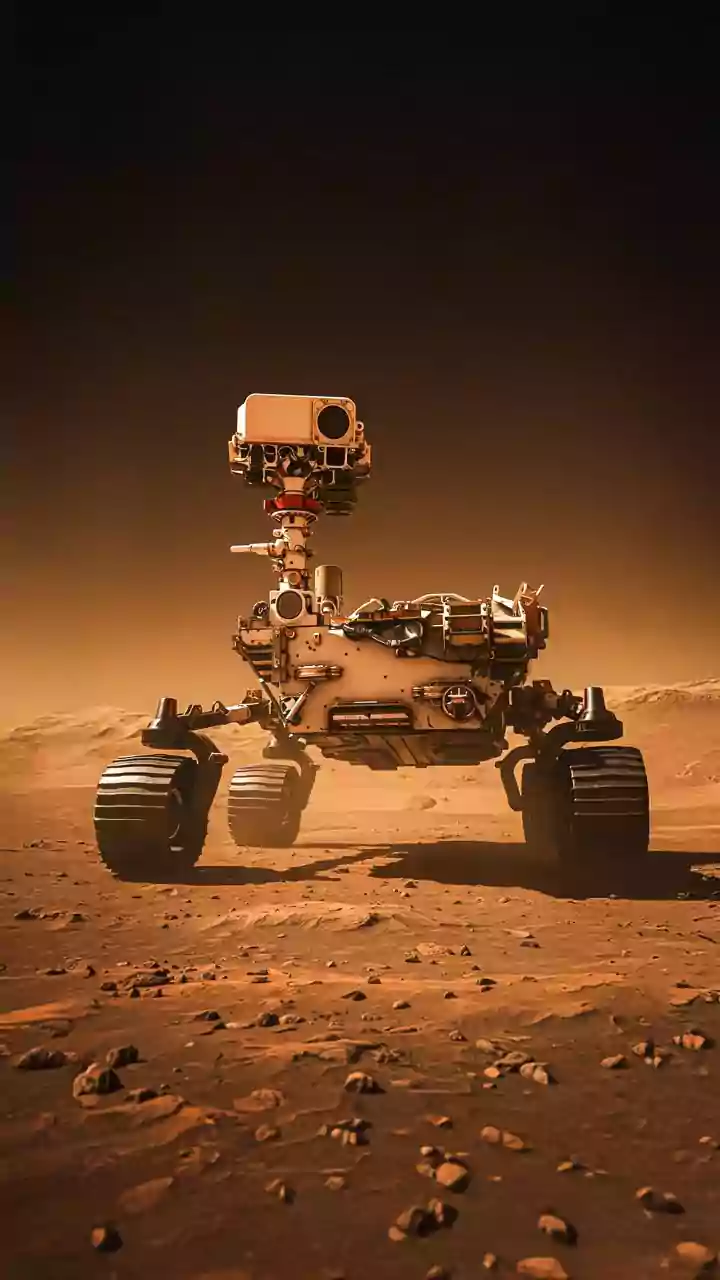
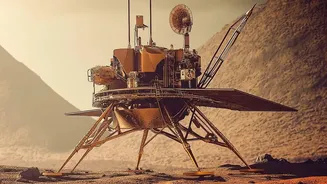
Interestingly, NASA's two currently operating rovers, Curiosity and Perseverance, are not as vulnerable to this specific threat. Both are powered by Multi-Mission Radioisotope Thermoelectric Generators (MMRTGs), which use the heat from decaying plutonium to generate electricity. This nuclear power source makes them immune to dust-induced blackouts, as Curiosity demonstrated by driving uninterrupted through the storm that silenced Opportunity. However, the lessons learned are vital. The InSight lander and the Ingenuity helicopter were both solar-powered and had to contend with dust storms. As agencies like NASA and ESA plan future missions, including potential human habitats, the choice between solar and nuclear power remains a key decision. For any future solar-powered asset on Mars, the orbital early-warning system will be an indispensable tool for survival, ensuring that the legacy of Opportunity informs the next generation of planetary exploration.