





Timing Is Everything
The single most important rule of playground workouts is to avoid peak hours. These spaces are designed for children, so their right to play comes first. Early mornings, late evenings after sunset, or during school hours on weekdays are generally the best
times to find an empty or sparsely used playground. Trying to exercise when the park is full of kids and their families is not only inconsiderate but can also create an uncomfortable and potentially unsafe environment for everyone. Being mindful of timing shows respect for the community and ensures you have the space you need without getting in the way.
Children Always Have the Right of Way
If you're in the middle of a set and a child wants to use the equipment, you should always step aside. The playground is their gym, not yours. Be friendly, approachable, and aware of your surroundings. Avoid using headphones at high volume, as this can make you seem unapproachable and unaware of children who might be running nearby. A simple smile or a friendly 'hello' to parents can go a long way in making everyone feel comfortable. Remember, you are the guest in their space. Never make a child or parent feel like they are interrupting your workout.
Inspect Before You Flex
Before you put your weight on any structure, do a quick safety check. Playground equipment is engineered for the weight and usage patterns of children, not adults. Look for any signs of damage, like rust, sharp edges, or loose parts. This is crucial because adult body weight and the force of exercises like kipping pull-ups can accelerate wear and tear, or even cause equipment to fail. If a piece of equipment looks unstable or broken, don't use it. You'll not only be protecting yourself from injury but also preventing further damage to a public resource.
Distinguish Play vs. Fitness Equipment
Many parks in India now feature dedicated outdoor fitness zones, often located near children's play areas. These stations are specifically designed and rated for adult weight and bodyweight exercises like pull-ups, dips, and leg presses. Prioritise using this equipment whenever it's available. While you can adapt some playground items like benches and bars for a workout, avoid using equipment not meant for adult loads, such as slides or swings designed for small children. Using the right equipment is safer for you and preserves the play structures for their intended users.
Keep It Clean and Considerate
Maintain good hygiene and park etiquette. Don't leave behind water bottles, towels, or any other personal items. On hot days, be mindful of sweat; you may want to bring a small towel to wipe down bars or benches after you use them. Also, consider your workout's impact on the space. Using chalk for grip can leave a mess, and loud grunting or music can disturb other park users. The goal is to leave the playground exactly as you found it—or even cleaner. This basic respect ensures the space remains pleasant for everyone, especially the children who will use it after you.
Adapt Your Workout, Not the Equipment
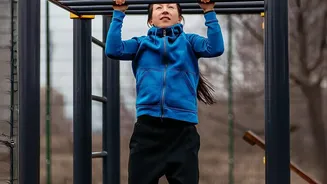
Use the playground for what it is. Monkey bars are great for pull-ups and hanging leg raises. Park benches are perfect for tricep dips, incline or decline push-ups, and step-ups. Get creative with bodyweight exercises that use the existing structures without modifying them. Don't try to attach heavy resistance bands or other personal equipment in a way that could damage the structures. A playground offers a surprisingly versatile full-body workout with just a little imagination, from squats and lunges to core work on the swings. Focus on exercises that are safe and appropriate for the equipment available.