







The Humidity and Oil Connection
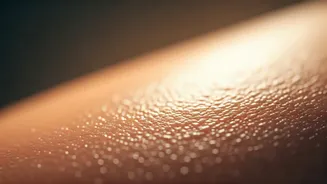
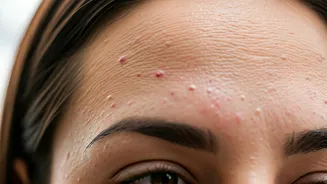
The defining feature of the monsoon is high humidity. This excess moisture in the air can signal the skin's sebaceous glands to produce more oil, or sebum. When this extra oil mixes with sweat, which evaporates more slowly in humid weather, it creates
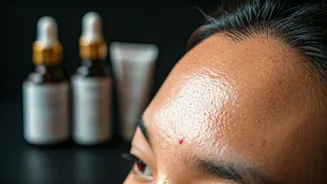
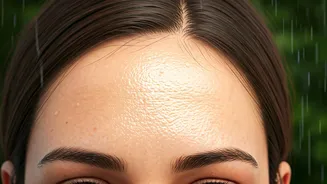
a greasy layer on your skin. This combination not only feels sticky but also attracts dirt and pollutants, setting the stage for clogged pores, blackheads, and those dreaded monsoon pimples. Even people with normally dry or combination skin might find themselves dealing with an uncharacteristically oily T-zone.
A Breeding Ground for Infections
Warm and moist environments are ideal for bacteria and fungi to thrive. The combination of humidity and sweat during the monsoon creates a perfect breeding ground for these microbes on your skin. This is why fungal infections like ringworm and athlete's foot, along with bacterial issues like folliculitis (infected hair follicles), become much more common during this season. The skin's natural protective barrier can also be weakened by the constant dampness, making it more vulnerable to these infections and other irritations like rashes and eczema flare-ups.
Adjust Your Cleansing Routine
While it might be tempting to wash your face frequently to get rid of the oiliness, over-washing can backfire. Stripping the skin of its natural oils can trigger the sebaceous glands to produce even more oil to compensate. Most dermatologists recommend cleansing twice a day with a gentle, pH-balanced, or sulphate-free cleanser. This is enough to remove the excess oil, sweat, and grime without disrupting your skin's protective barrier. For those with acne-prone skin, using a cleanser with salicylic acid can help exfoliate and keep pores clear.
Don't Skip the Moisturiser
Skipping moisturiser because your skin feels oily is a common monsoon mistake. Humid air might make your skin feel damp on the surface, but it can still be dehydrated underneath. A lack of hydration can also cause your skin to produce more oil. The key is to switch to a more appropriate formula. Opt for lightweight, non-comedogenic (pore-clogging), gel-based moisturisers. Ingredients like hyaluronic acid provide excellent hydration without feeling heavy or greasy, helping to keep your skin balanced.
Sunscreen is Still a Must
Overcast skies do not mean you can put away your sunscreen. Up to 80% of the sun's harmful UV rays can penetrate through clouds, causing tanning, premature ageing, and sun damage. In fact, sun exposure can worsen the dark spots left behind by acne. Continue to apply a broad-spectrum sunscreen with at least SPF 30 every day. Look for lightweight, gel-based, or water-based formulas that won't feel heavy or contribute to clogged pores.
Exfoliate, but Gently
Exfoliation is important to slough away the dead skin cells that can combine with sebum and clog pores. However, it's crucial to be gentle, as over-exfoliating can irritate the skin and damage its protective barrier. Once or twice a week is generally sufficient for most skin types during this season. Consider using a mild chemical exfoliant with ingredients like Alpha-Hydroxy Acids (AHAs) or Beta-Hydroxy Acids (BHAs) instead of harsh physical scrubs.