

A Return to the Roots
For years, modern Indian cooking flirted with global ingredients. Truffle oil, quinoa, and avocado became markers of contemporary dining. But a confident and quiet culinary shift is now underway. The focus is moving from imported luxury to the inherent
richness of India’s own biodiversity. Chefs are looking past the familiar and rediscovering the depth of flavour and texture in ingredients that have nourished generations but were sidelined in the push for agricultural uniformity. This is not about simple nostalgia; it is a thoughtful re-engagement with heritage, where ancient grains, local vegetables, and traditional techniques are being viewed through a modern lens. The goal is no longer to fuse Indian food with Western concepts, but to evolve it from within, creating dishes that are both innovative and deeply rooted in their origin.
The Mighty Millet Revival
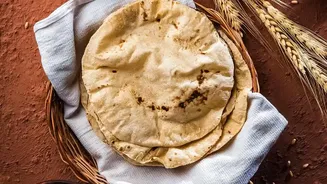
Once considered “poor man’s food” and largely replaced by wheat and rice during the Green Revolution, millets are making a spectacular comeback. Grains like ragi (finger millet), jowar (sorghum), and bajra (pearl millet) are now celebrated for their robust nutritional profiles, gluten-free nature, and climate-resilient properties. In contemporary celebration menus, these ancient grains are shedding their rustic image. Chefs are using their versatile and nutty flavours to create sophisticated dishes. Imagine a creamy foxtail millet risotto, a crispy bajra taco shell holding a spicy filling, or even a decadent ragi-based chocolate cake. This revival, bolstered by initiatives like the UN's International Year of Millets, is reintroducing a diverse range of tastes and textures to the Indian palate, proving that what is old can be thrillingly new.
The Magic of Fermentation
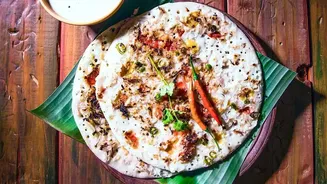
Fermentation has always been a quiet superpower in Indian kitchens, the invisible force behind fluffy idlis, crisp dosas, and tangy pickles. Today, this ancient preservation technique is being celebrated as a sophisticated culinary art form. Fine-dining restaurants in Mumbai and Delhi are establishing in-house fermentation labs to create complex flavours that are impossible to achieve otherwise. Traditional preparations like kanji are being reimagined as artisanal probiotic drinks, while lesser-known fermented products from the Northeast are inspiring chefs. This trend taps into a global conversation around gut health but gives it a distinctly Indian identity. By controlling and refining age-old processes, chefs are unlocking new dimensions of sour, savoury, and umami, adding depth and character to sauces, marinades, and even desserts.
From Forest to Fine Dining
Beyond the cultivated field, there is a growing appreciation for the wild and the foraged. A 'forest-to-table' movement is seeing chefs explore India’s diverse landscapes to find unique, seasonal ingredients that tell a story of their region. Ingredients that were once staples of local and tribal communities are now making celebrated appearances on urban menus. This includes wild greens like fiddlehead ferns (lingdu), edible flowers like mahua, souring agents like kokum, and earthy fungi like stone flower (kalpasi) and wild mushrooms. Sourcing these ingredients is not just about novelty; it's an act of preserving culinary knowledge and celebrating the hyper-local. A dish featuring sohphlang, a crunchy tuber from Meghalaya, or a dessert infused with the fragrant gondhoraj lime from Bengal, offers diners more than a meal—it offers a taste of a specific place and its culture.