



Embrace Local and Seasonal Produce
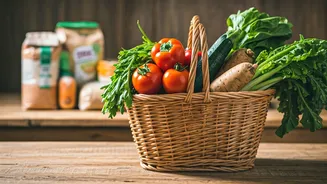
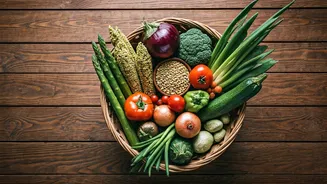
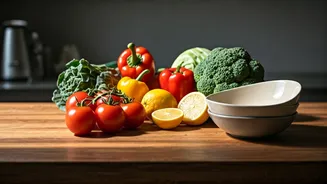
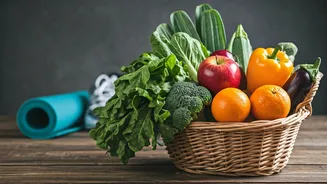
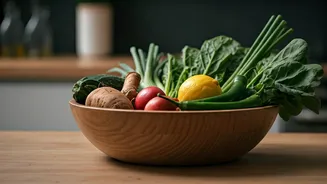
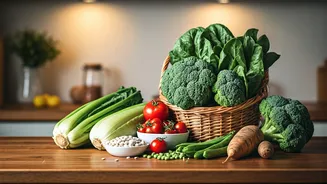
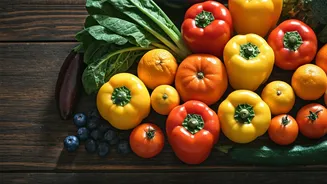
The single biggest secret to affordable eating is to align your kitchen with nature’s calendar. Forget expensive, imported blueberries and kale. Instead, head to your local sabzi mandi and see what’s abundant. In summer, that might be bhindi, lauki, and juicy
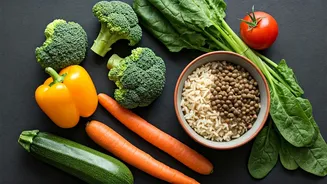
mangoes. In winter, it’s leafy greens like palak and sarson, along with carrots and peas. Seasonal produce is cheaper because it’s plentiful and doesn’t require costly transportation or storage. It’s also fresher, more flavourful, and packed with the nutrients your body needs for that specific time of year. Building your meals around what the local market offers is a guaranteed way to cut costs without sacrificing quality.
Make Millets Your Mainstay
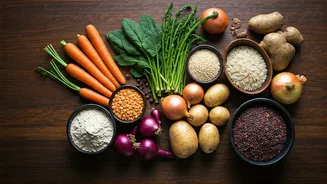
Before wheat and rice dominated our plates, millets like jowar, bajra, and ragi were the staples of the Indian diet. It’s time to bring them back. These ancient grains are not only incredibly affordable but also nutritional powerhouses. They are rich in fibre, protein, and essential minerals while being naturally gluten-free. Swapping rice for bajra khichdi or wheat rotis for jowar bhakri a few times a week can significantly boost your nutrient intake and lower your grocery spending. Millets are hardy crops that require less water, making them an environmentally friendly choice as well. You can find them at any local kirana store at a fraction of the cost of fancy grains like quinoa.
Discover the Power of Pulses
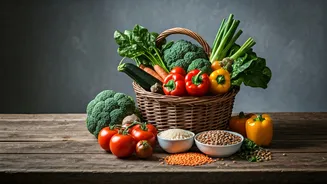
For a country with a rich vegetarian tradition, dals and legumes are the backbone of affordable protein. A simple bowl of dal provides a fantastic amount of protein, fibre, and complex carbohydrates that keep you full and energised. The variety is endless—from toor and masoor to moong and chana. They are incredibly versatile and can be turned into soups, curries, salads, and even snacks. Sprouting pulses like moong or black chana further increases their nutritional value, especially their vitamin C and B content, at virtually no extra cost. Stocking your pantry with a variety of dals is a smart, economical way to ensure you’re getting the protein you need every single day.
Plan Your Meals, Win the Week
Impulse buys and last-minute takeaway orders are the enemies of a healthy budget. The solution is simple: meal planning. Take 30 minutes over the weekend to decide what you’ll cook for the upcoming week. Base your plan on the seasonal vegetables you bought and the dals you have in your pantry. This simple act prevents food waste, as you only buy what you need. It also saves you from the mental stress of figuring out “what’s for dinner?” every evening. When you have a plan, you’re less likely to order expensive, unhealthy food. You can even do some basic prep, like chopping vegetables or boiling legumes, to make weekday cooking faster and easier.
Cook Smart to Save More
Your cooking methods can impact both your health and your wallet. Embrace one-pot meals like khichdi, tehri, or vegetable pulao, which save time, energy, and use fewer utensils. The pressure cooker is your best friend; it cooks food faster, saving gas, and helps retain more nutrients compared to open-pot boiling. Making larger batches of staples like dal or a sabzi base can save time on busy weeknights. Instead of buying expensive packaged snacks, make your own. Roasted makhana, chana, or a simple fruit chaat are far healthier and cheaper alternatives to a bag of chips.
Rethink Your Protein Sources
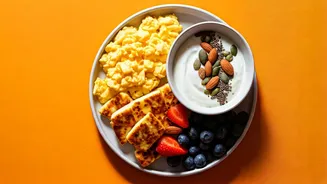
While dals are fantastic, variety is key. Eggs are one of the most complete and affordable sources of protein available. They can be quickly turned into a bhurji, curry, or simple boiled snack. Paneer, when made at home from milk, is another cost-effective protein option compared to buying it from a store. For non-vegetarians, choosing chicken over more expensive meats like mutton can make a difference. And don’t forget plant-based powerhouses like soya chunks, which are incredibly cheap and absorb flavours beautifully in curries, and peanuts, which can be added to dishes for a crunch and a protein boost.