



Getting Around: Your Local Transport Options
Unlike big cities, Gokarna runs on a simpler, more local rhythm. You won't find app-based services like Ola or Uber here. Instead, your main options are auto-rickshaws, rental scooters, and your own two feet. Auto-rickshaws are plentiful but can be expensive,
with short trips of a few kilometres costing between ₹200-₹350, so it's wise to agree on a fare beforehand. For ultimate freedom, renting a scooter or motorbike is the most popular choice, costing around ₹300-₹500 per day. This allows you to easily travel between the main town and the trailheads for different beaches. Keep in mind that even with a vehicle, you'll often need to park and walk to reach the beaches themselves.
Choosing Your Base: Which Beach Fits Your Vibe?
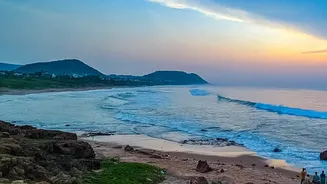
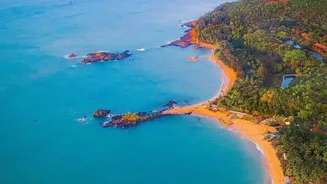
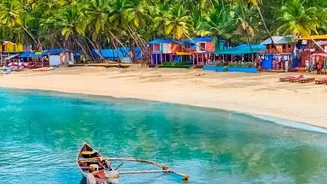
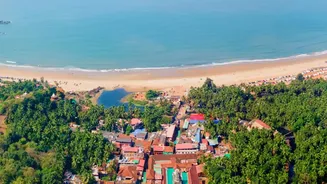
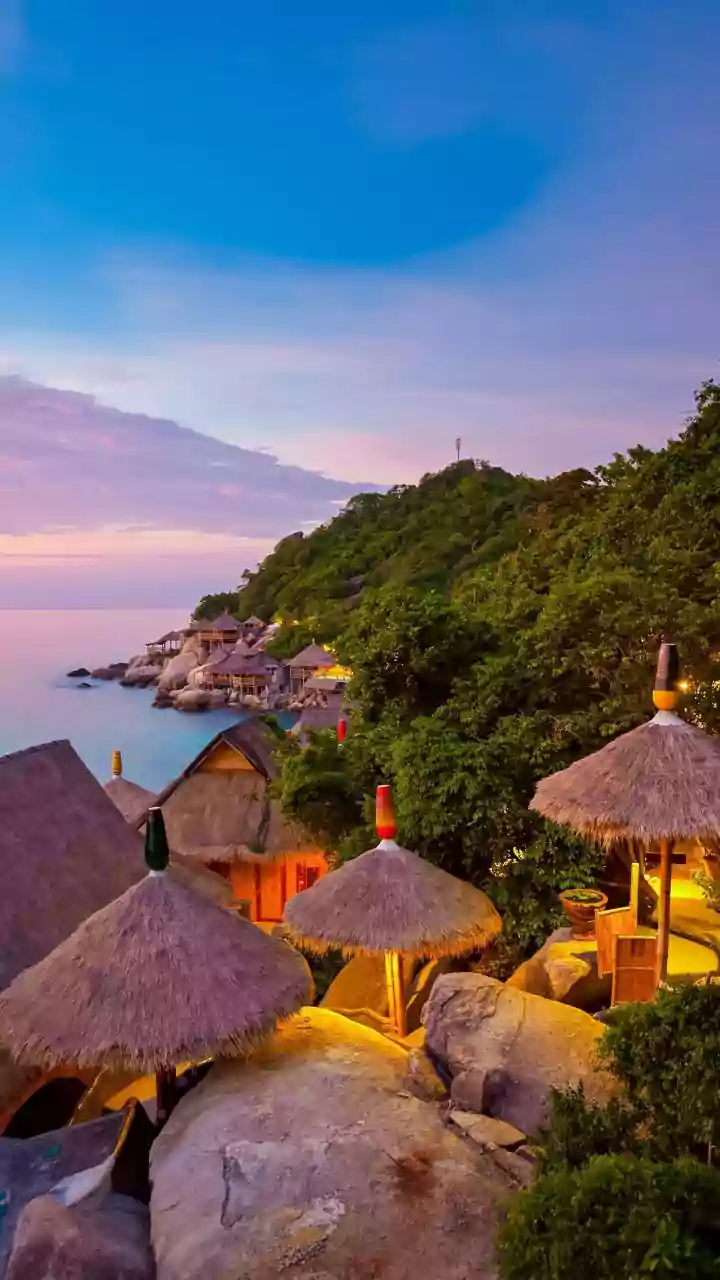
Where you choose to stay in Gokarna completely defines your trip. For those seeking convenience and a social buzz, Om Beach is an excellent base. It's one of the few beaches accessible directly by a proper road and offers water sports, numerous cafes, and a range of accommodation. If a quieter, more relaxed atmosphere is your goal, Kudle Beach is ideal. Set in a C-shaped bay, it’s known for stunning sunsets and a peaceful vibe, perfect for swimming and long walks. Accommodation here ranges from simple guesthouses to resorts, many just a short walk from the sand. For a truly off-grid experience, the remote Half Moon and Paradise beaches have very basic huts with few facilities, accessible only by boat or trekking.
The Legendary Beach Trek
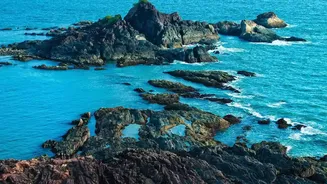
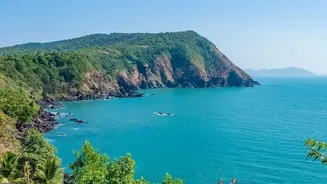
One of Gokarna's signature experiences is the 8-10 kilometre coastal trek that connects its main beaches. The trail typically runs south from Kudle Beach to Om Beach, then onwards to the more secluded Half Moon and Paradise beaches. The path winds over hills, through forest patches, and along dramatic sea cliffs, offering incredible views of the Arabian Sea. The trek is considered easy to moderate and takes about four to six hours to complete, including breaks. It's best to start early in the morning (around 7-8 AM) to avoid the harsh midday sun. Sturdy shoes are recommended, as some sections, particularly towards Paradise Beach, are rocky. This adventure is the perfect way to experience the raw, natural beauty that sets Gokarna apart.
Accessing the Remote Gems: Half Moon & Paradise
Half Moon and Paradise Beach are the rewards at the end of the Gokarna trail, prized for their seclusion and pristine nature. These beaches have no direct road access, which is a key part of their charm. The primary ways to reach them are via the coastal trek or by taking a local ferry boat from Om Beach or Kudle Beach. A boat ride from Om Beach to Half Moon can cost between ₹150-₹300 per person. Half Moon Beach is a small, quiet crescent of sand perfect for swimming and solitude. Paradise Beach, also known as Full Moon Beach, is even more isolated and was once a haven for hippies. It offers a truly raw and unplugged experience with minimal commercial activity.
Essential Planning Tips
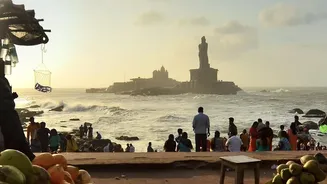
To make your Gokarna trip seamless, keep a few things in mind. The best time to visit is from October to March, when the weather is dry and pleasant. Avoid the monsoon season (June to September) as the sea becomes rough and trekking trails can be slippery and unsafe. While UPI is widely accepted in cafes and shops, it's always a good idea to carry some cash, especially for local transport and shacks on more remote beaches. Finally, remember that Gokarna is a pilgrimage town at its heart. While beachwear is perfectly acceptable on the beaches, it's respectful to dress more modestly when visiting the main town and temple areas.