




The Fundamental Mechanical Difference
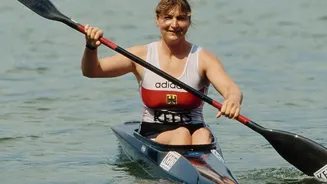
The core distinction between kayaking and paddleboarding lies in the fundamental movement. Kayaking is a seated activity that relies on a double-bladed paddle. The primary motion is a pull, using torso rotation to draw the blade through the water. In
contrast, stand-up paddleboarding (SUP) is a standing activity using a single-bladed paddle. The motion here is more of a downward push and pull, where you reach forward, plant the paddle, and pull the board past it. This standing position demands constant balance and core engagement. While both sports work the upper body, these different mechanics recruit muscles in unique ways and build different kinds of strength.
Kayaking: The Rotational Pulling Powerhouse
A proper kayaking stroke is a full-body movement that originates from your core, not just your arms. As you sit, you press with your feet and rotate your torso, engaging your obliques and abdominal muscles. The power comes from pulling the blade through the water, which heavily recruits the large muscles of your back—specifically the latissimus dorsi ('lats') and trapezius. Your shoulders (deltoids) and arms (biceps and triceps) are also key players, working to control the paddle and complete the stroke. Because you are constantly alternating sides in a fluid, repetitive motion, kayaking is exceptional for building muscular endurance in the back, shoulders, and arms. Think of it as sustained, rhythmic resistance training.
Paddleboarding: A Full-Body Balancing Act
Stand-up paddleboarding is often described as a more complete full-body workout. While the upper body is certainly engaged, the primary challenge is maintaining balance on an unstable surface. This forces your deep core muscles, lower back, and legs into constant, subtle contractions just to stay upright. The paddling motion itself is a combination of reaching, pushing down, and pulling. This works the shoulders, back, and arms, but the overall load on these muscles can be less intense compared to vigorous kayaking. An experienced paddleboarder uses their hips and core to drive the stroke, making it a more integrated movement. Inexperienced paddlers, however, often rely too heavily on their arms, leading to quicker fatigue.
Upper-Body Endurance: Which Is Superior?
When the goal is specifically upper-body endurance, kayaking generally has the edge. The seated, stable position allows you to generate more consistent and powerful pulling force with every stroke, directly targeting the back, shoulders, and arms for extended periods. The resistance from the double-bladed paddle provides a steady, challenging workout that builds stamina in these key muscle groups. Paddleboarding builds endurance too, but it's distributed more evenly across the entire body. The upper-body component is significant, but it shares the workload with the intense demands of balance and core stabilization. Therefore, for focused, high-repetition upper-body training, kayaking is the more direct option. A long session will leave your lats and shoulders feeling the burn in a way that a leisurely paddle on a SUP might not.
Beyond the Upper Body
It's a mistake to choose one sport based solely on its upper-body benefits. Kayaking, while focused on pulling strength, also requires significant core rotation and leg bracing to generate power efficiently. You are actively using your legs to connect with the boat and drive your torso. Paddleboarding is arguably one of the best functional core workouts available. It improves balance, posture, and the stabilizing muscles of your hips and spine in a way that few other activities can. This incredible demand on core stability is its defining feature. Ultimately, the choice comes down to your primary fitness goal.