






The Post-Monsoon Advantage
The best time to visit the Andamans is widely considered to be between October and May, and for photographers, the start of this period is golden. Autumn, specifically from October to November, marks the transition from the heavy southwest monsoon to the drier,
peak tourist season. This post-monsoon phase is a game-changer. The heavy rains have washed away atmospheric dust and haze, leaving the air crisp and the skies remarkably clear. Rainfall decreases significantly, meaning more sunny days perfect for outdoor shoots without the worry of sudden downpours that characterize the preceding months. This period offers the lush, vibrant greenery left behind by the rains, but with the added benefit of calmer seas and more reliable weather, creating a perfect canvas.
Chasing the Perfect Light
Photography is all about light, and Andaman's autumn light is exceptional. With clearer skies, the 'golden hours'—the periods shortly after sunrise and before sunset—are more pronounced and last longer. The sun, sitting lower in the sky than during the summer peak, casts a warm, soft glow that is incredibly flattering for any subject, be it landscapes or portraits. This light eliminates the harsh midday shadows that can be challenging to work with. Photographers flock to spots like Radhanagar Beach and Laxmanpur Beach to capture the sky bursting into fiery oranges, pinks, and purples. The clear atmosphere means the light is less diffused, resulting in richer colours and dramatic silhouettes against the horizon.
The Science of Turquoise Waters
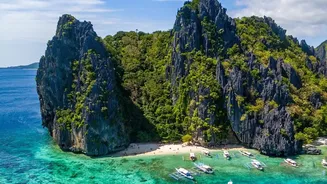
The turquoise water of the Andamans is legendary, and it's never more brilliant than after the monsoon. There are several reasons for this. Firstly, the ocean is exceptionally clean with low levels of pollution and sediment. The end of the monsoon means that river runoff, which can carry silt and make coastal waters murky, has subsided. The sea has had time to settle, resulting in phenomenal clarity. Secondly, sunlight plays a crucial role. When sunlight hits the water, the water absorbs the warmer colours of the spectrum (like reds and oranges) more quickly, while the blue light penetrates deeper and is reflected back, giving the sea its signature hue. The shallow, white-sand seabeds at many of Andaman's beaches, like those at Havelock and Neil Island, act like a giant reflector, bouncing this blue light back up and creating the luminous turquoise effect.
Pristine Subjects and Fewer Crowds
Autumn provides not just the right conditions, but also the right subjects. The landscape is at its most vibrant and lush after months of rain. Because the peak tourist rush of December and January hasn't yet begun, popular spots are less crowded. This gives photographers the freedom to compose shots without unwanted background distractions. You can capture the iconic, stark beauty of the black volcanic rocks at Kalapathar Beach against the turquoise sea, or the intricate formations of the Natural Bridge on Neil Island at low tide with more solitude. The calm, clear waters also mean underwater visibility is excellent, making it a prime time for snorkelling and diving photography. Marine life is abundant, and the rejuvenated coral reefs are a spectacular sight.
Tips for the Perfect Shot
To make the most of an autumn photography trip to the Andamans, a little planning goes a long way. A polarising filter is an essential piece of kit; it will reduce glare from the water's surface and deepen the blues of the sky, making your images pop. Don't just focus on the grand landscapes; the details are just as captivating. Look for reflections in tidal pools, the texture of weathered driftwood on Elephant Beach, or the symmetry of palm trees lining the shore. For truly memorable sunsets, head to Chidiya Tapu, known as the 'sunset point' of the Andamans. And remember to protect your gear. The combination of fine sand, saltwater spray, and humidity can be tough on cameras, so bring a protective bag and clean your equipment regularly.